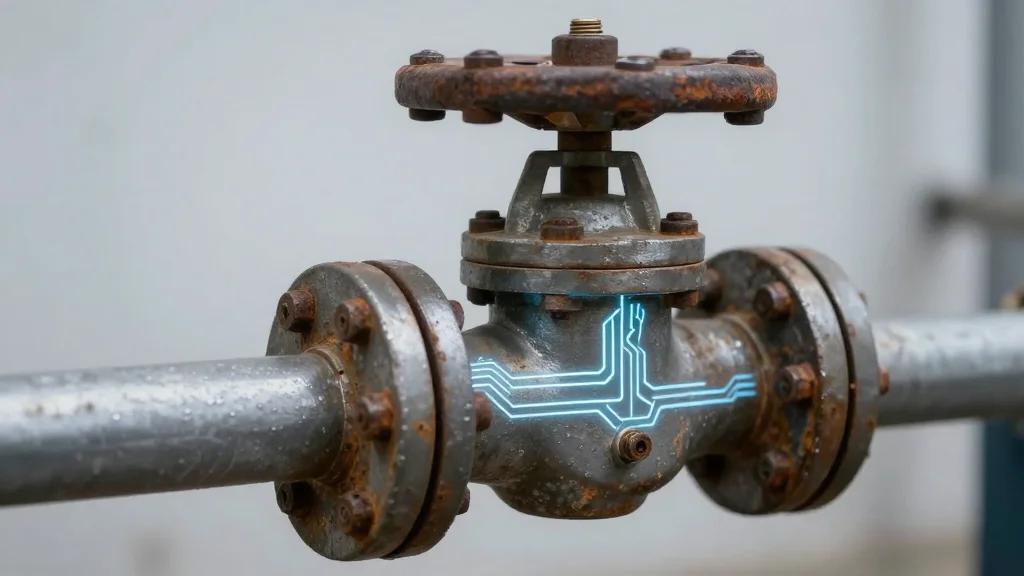
Iran Cyber Campaign Targets Critical Infrastructure’s Weakest Links
Why It Matters
By targeting the enabling layers of industrial control systems, Iran can bypass hardened federal endpoints, threatening essential services and amplifying national security risks. The emerging threat forces operators to rethink security architecture, workforce allocation, and incident‑response strategies.
Key Takeaways
- •Iran's APTs exploit internet‑facing PLCs in water, energy sectors
- •Cloud‑linked OT devices bypass traditional air‑gap segmentation
- •Agencies urged to shift from compliance to proactive OT risk management
- •Workforce strain drives automation and pre‑incident decision rehearsals
Pulse Analysis
The recent CISA advisory on Iran‑linked APT activity underscores a strategic evolution in state‑sponsored cyber operations. Dubbed Operation Epic Fury, the campaign moves beyond classic intelligence gathering to direct disruption of critical infrastructure. By weaponizing internet‑exposed programmable logic controllers, Tehran’s actors can manipulate human‑machine interfaces and SCADA displays, creating tangible operational downtime and financial impact. This approach reflects a broader trend where adversaries target the connective tissue of industrial ecosystems rather than isolated endpoints, amplifying the potential fallout across multiple sectors.
At the technical core of the threat is the convergence of operational technology (OT) and cloud services. Modern PLCs increasingly rely on remote management platforms, effectively collapsing the Purdue Model’s layered segmentation. When Level 1 devices expose APIs to the public internet, attackers can infiltrate the control plane without breaching corporate firewalls. The result is a blurring of the traditional air‑gap, demanding new detection capabilities that inspect raw data streams between sensors and controllers. Vendors are responding with encrypted telemetry, zero‑trust network access, and SaaS‑based monitoring, but implementation gaps remain, especially among legacy operators.
Strategically, the Iranian campaign forces a reassessment of risk posture across government and private operators. Experts argue that compliance checklists are insufficient; agencies must adopt mission‑oriented risk management that prioritizes resilience over perfect security. Workforce shortages further compel automation of routine monitoring and the rehearsal of incident response playbooks before attacks materialize. By embedding proactive defenses—such as AI‑driven anomaly detection and automated containment—organizations can reduce analyst fatigue and protect the human element that remains the last line of defense. The stakes are clear: without a shift toward anticipatory security, the nation’s critical infrastructure remains vulnerable to increasingly sophisticated, distributed threats.
Iran Cyber Campaign Targets Critical Infrastructure’s Weakest Links
Comments
Want to join the conversation?
Loading comments...