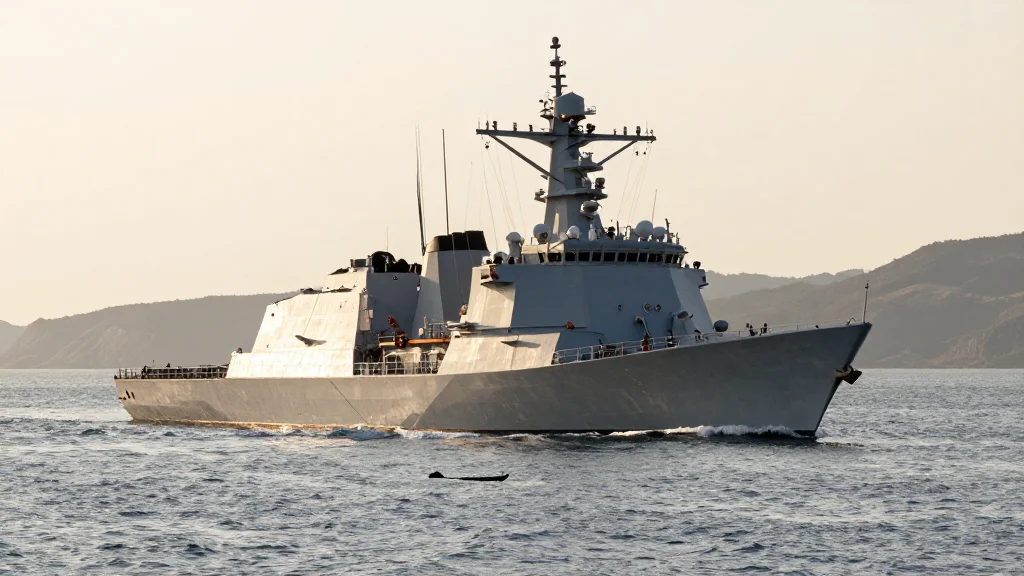
Iran Denies Claims that US Vessels Entered Strait of Hormuz
Why It Matters
Control of the Hormuz corridor directly influences global energy prices and signals the broader trajectory of U.S.–Iran tensions; the outcome of the talks will affect both regional stability and market confidence.
Key Takeaways
- •Iran says any vessel in Hormuz needs Iranian military approval.
- •US Navy claimed two destroyers transited the strait for mine‑clearing.
- •IRGC warned military ships will face “strong response” if they attempt passage.
- •Islamabad talks paused, leaving ceasefire and Hormuz reopening uncertain.
- •Strait of Hormuz moves roughly 20% of world oil and gas.
Pulse Analysis
The Strait of Hormuz has long been a flashpoint where geopolitical rivalries intersect with energy logistics. Iran’s denial of the U.S. destroyers’ transit underscores a contested interpretation of maritime rights under international law. While Washington frames the movement as a necessary step for mine‑clearing, Tehran insists on sovereign control, arguing that any passage must be sanctioned by its armed forces. This clash of narratives not only heightens naval alertness but also raises questions about the enforceability of freedom of navigation in a region fraught with conflict.
Negotiations in Islamabad represent the latest diplomatic effort to halt a six‑week war that has already disrupted oil flows and driven prices upward. The talks, involving senior U.S. officials and Iranian leaders, have paused after a brief technical exchange, leaving the cease‑fire’s durability in doubt. Energy markets are highly sensitive to any indication of renewed hostilities; even a short‑term suspension of shipments through Hormuz can trigger price spikes that ripple through global supply chains, affecting everything from gasoline at the pump to airline fuel costs.
Looking ahead, the incident may set a precedent for how both sides manage naval encounters in contested waters. A firm Iranian stance could deter future U.S. operations, but it also risks escalation if either side perceives a violation of sovereignty. For investors and policymakers, monitoring the diplomatic cadence and any subsequent naval movements will be critical, as the balance between deterrence and dialogue will shape the security environment of one of the world’s most vital energy arteries.
Iran denies claims that US vessels entered Strait of Hormuz
Comments
Want to join the conversation?
Loading comments...