Iran Faces Multiple Pressures on Its Anniversary
Why It Matters
The convergence of U.S. military posturing and domestic dissent amplifies risks to regional stability and could disrupt global oil markets.
Key Takeaways
- •Trump threatens additional carrier deployment to Middle East
- •Iran's regime faces nationwide protest backlash
- •Sanctions pressure intensifies amid human rights concerns
- •Regional rivals monitor Iran's internal instability
- •Anniversary sparks renewed calls for political reform
Pulse Analysis
The 47th anniversary of Iran’s Islamic Revolution serves as a symbolic reminder of the theocratic state’s origins and its ongoing struggle for legitimacy. While the regime touts the milestone as a triumph of its revolutionary ideals, streets across major cities have erupted with citizens denouncing the harsh suppression of protests that began earlier this year. The public outcry reflects deepening frustration over economic hardship, political repression, and a perceived disconnect between the leadership and everyday Iranians.
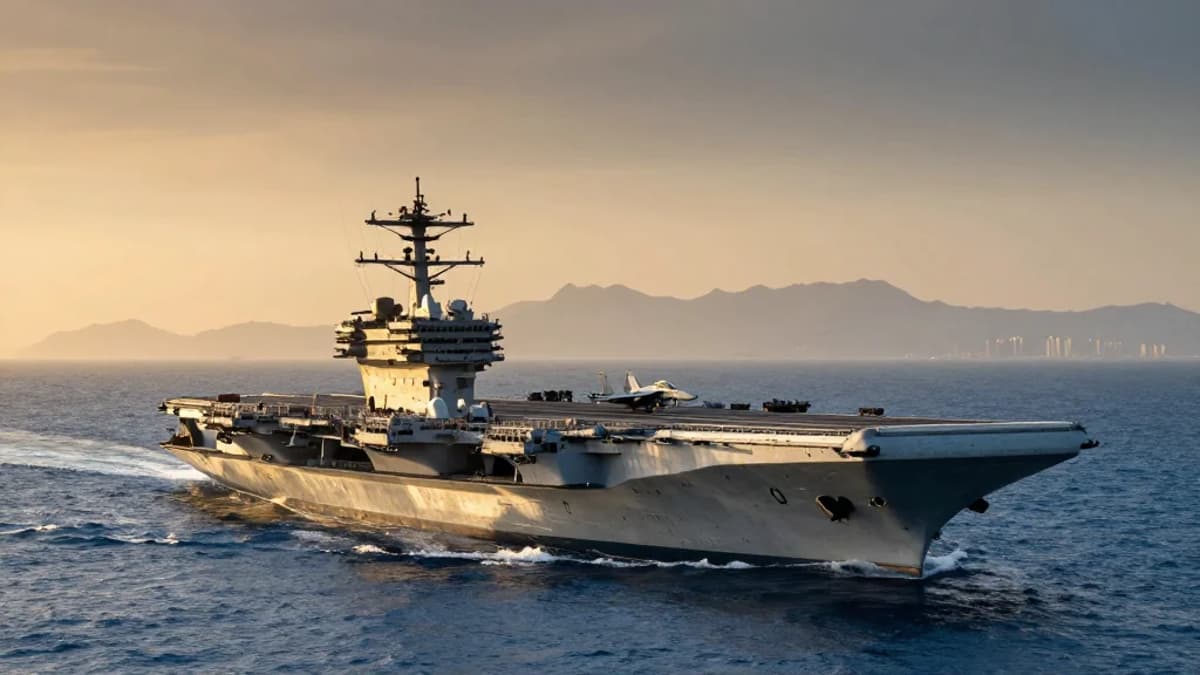
Washington’s response, articulated by President Donald Trump, escalated the diplomatic standoff by hinting at another carrier strike group deployment to the Persian Gulf. This naval maneuver signals a willingness to project power and pressure Tehran into curbing its regional activities, from supporting proxy groups to advancing its nuclear program. The threat of increased U.S. naval presence compounds existing sanctions, further straining Iran’s already fragile economy and limiting its access to critical financial channels.
Regional actors are closely watching these developments, aware that internal turmoil in Iran could reverberate across the Middle East. Saudi Arabia, Israel, and the United Arab Emirates view Tehran’s instability as both a risk and an opportunity to recalibrate power balances. Meanwhile, global investors monitor the situation for potential spikes in oil prices, as any escalation could disrupt supply routes through the Strait of Hormuz. The anniversary thus becomes a flashpoint where domestic dissent, U.S. strategic calculations, and regional geopolitics intersect, shaping the outlook for Middle‑East stability.
Iran Faces Multiple Pressures on Its Anniversary


Comments
Want to join the conversation?
Loading comments...