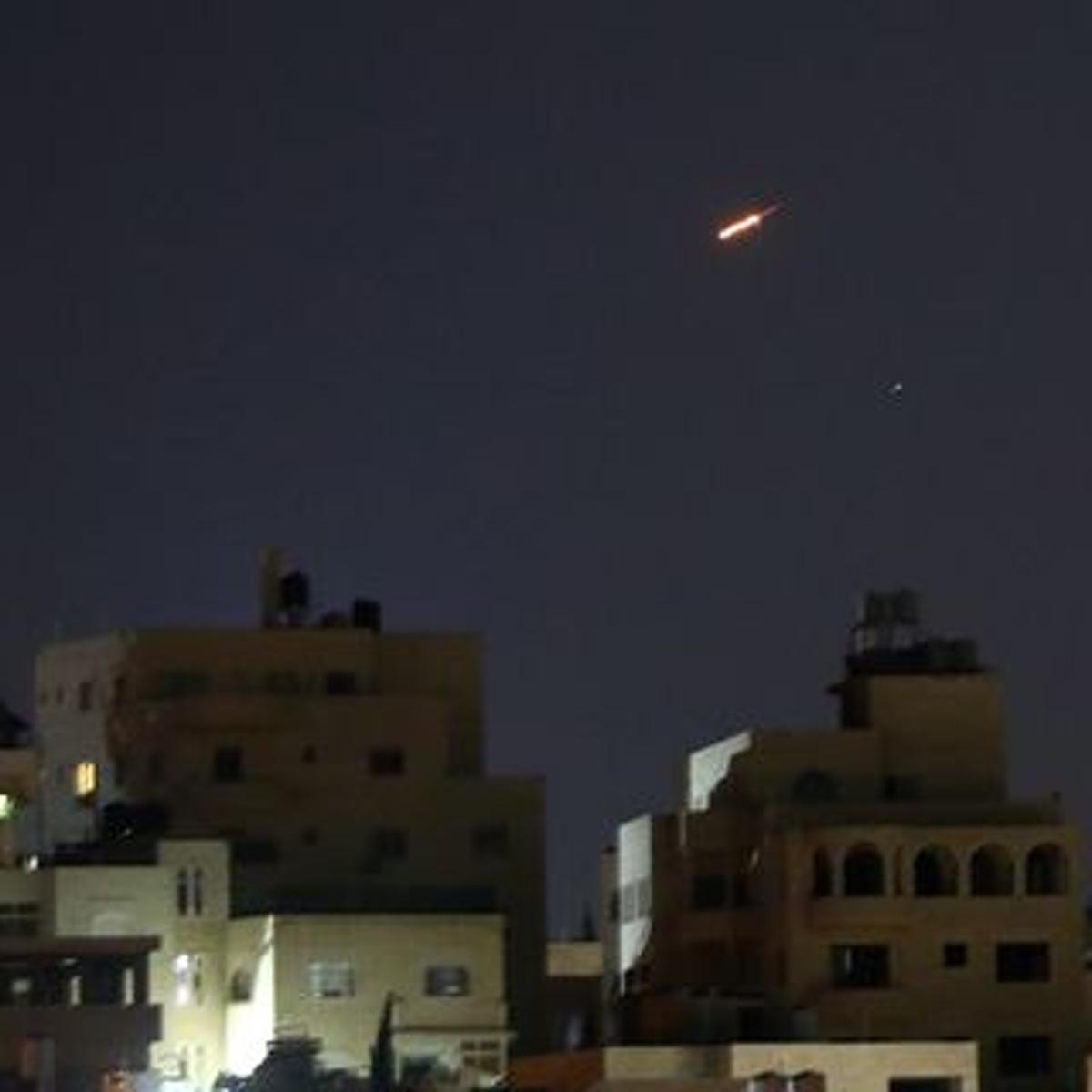
Iran Fires Missiles at Israel for First Time Since Ceasefire
Why It Matters
The missile launch escalates an already volatile Middle‑East flashpoint, jeopardizing fragile U.S.–Iran nuclear talks and risking a broader regional war.
Key Takeaways
- •Four missiles launched from Iran toward northern Israel, intercepted by IDF.
- •Iran warned of broader regional attacks if Israel continues strikes in Lebanon.
- •U.S. President Trump pledged to call Netanyahu to discourage retaliation.
- •IDF prepared for possible incoming fire following the Beirut strike.
Pulse Analysis
The Iranian missile salvo represents a dramatic breach of the April 8 cease‑fire that has held the Israel‑Iran front relatively quiet for months. While Israel’s Iron Dome and Patriot systems reportedly neutralized the four projectiles, Tehran’s state media announced a third wave, underscoring the regime’s willingness to test Israel’s defensive posture. By targeting the Ramat David air base, Iran signaled both symbolic and strategic intent, aiming to deter Israeli operations against Hezbollah in southern Lebanon and to reassert its regional influence.
Beyond the immediate military exchange, the strike threatens to unravel ongoing U.S.–Iran nuclear negotiations, which have been delicately balanced on diplomatic back‑channel talks. Washington’s response—President Trump’s promise to phone Netanyahu—highlights the administration’s concern over a broader conflagration that could derail any progress on the nuclear dossier. Regional actors, including Saudi Arabia and the United Arab Emirates, are closely monitoring the situation, as a wider escalation could destabilize oil markets and trigger a surge in defense spending across the Gulf.
For businesses, the heightened risk environment calls for scenario planning. Companies with supply chains in Israel, Lebanon, or neighboring states should reassess logistics continuity and insurance coverage. Energy firms must watch for price volatility as traders price in potential disruptions to Red Sea shipping lanes. Meanwhile, investors are likely to demand clearer risk assessments from multinational corporations operating in the region, making transparent communication and contingency strategies essential for maintaining stakeholder confidence.
Iran fires missiles at Israel for first time since ceasefire
Comments
Want to join the conversation?
Loading comments...