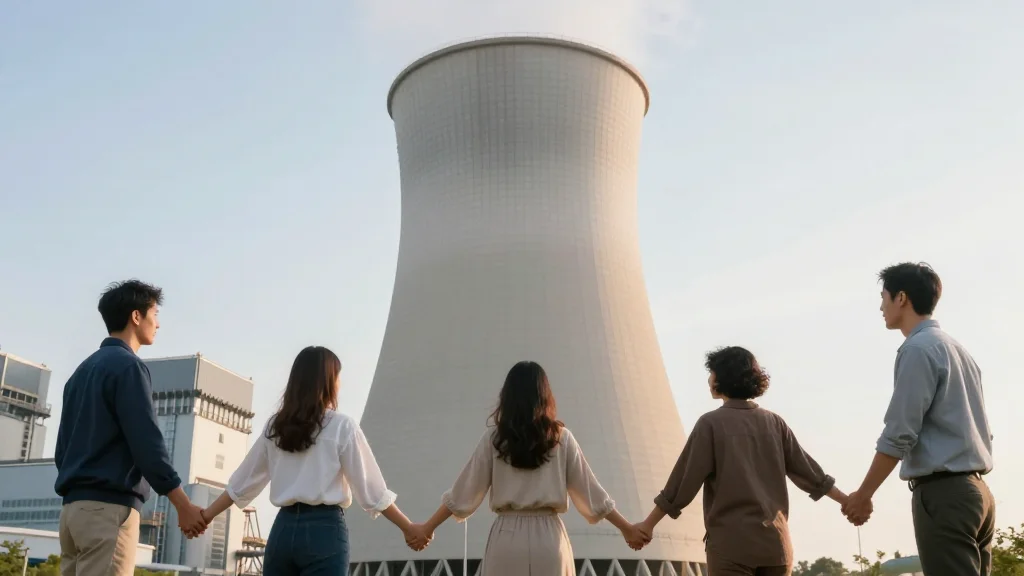
Iran Forms Human Chains to Protect Power Plants as Trump's Strike Deadline Looms
Why It Matters
The public displays underscore Iran’s willingness to resist external coercion, while the threatened strikes on power infrastructure could trigger regional energy disruptions and broader security instability.
Key Takeaways
- •Iranians forming human chains around power plants.
- •Trump's ultimatum targets bridges, electricity infrastructure.
- •Deputy Sports Minister mobilizes athletes, artists for protection.
- •Deadline set for 8 PM Eastern, 10‑day window.
- •Potential strikes could cripple Iran’s power grid.
Pulse Analysis
The United States has intensified its long‑standing rivalry with Iran by issuing a stark ultimatum: reopen the Strait of Hormuz or face a massive aerial campaign against the nation’s critical infrastructure. President Donald Trump’s statements, amplified on his Truth Social platform, specifically target bridges and power generation sites, which are vital for Iran’s domestic stability and its role as a regional energy hub. Disrupting electricity supplies would not only cripple civilian life but also hamper industrial output, potentially reverberating through global oil markets that already react sensitively to Middle‑East tensions.
In response, Iran’s civil society has turned to a centuries‑old form of non‑violent protest: human chains. Residents of Ilam, joined by athletes, artists, and students at the behest of Deputy Sports Minister Alireza Rahimi, have physically linked arms around power plants, creating a visible barrier meant to deter aerial attacks. This grassroots mobilization serves a dual purpose—demonstrating national unity and signaling to foreign adversaries that any strike would encounter widespread civilian resistance, complicating the calculus of a purely military solution.
The stakes extend beyond Tehran’s borders. Should the United States proceed with its threatened bombardment, the immediate fallout could include widespread blackouts, economic contraction, and a humanitarian crisis, prompting neighboring states to reassess their security postures. Moreover, the prospect of a crippled Iranian grid could destabilize regional electricity trade and exacerbate oil price volatility. Diplomatically, the human chain movement may pressure Washington to pursue back‑channel negotiations, as the cost of a full‑scale infrastructure strike now carries heightened political and reputational risks. Understanding these dynamics is essential for investors, policymakers, and analysts monitoring the evolving Middle‑East security landscape.
Iran forms human chains to protect power plants as Trump's strike deadline looms
Comments
Want to join the conversation?
Loading comments...