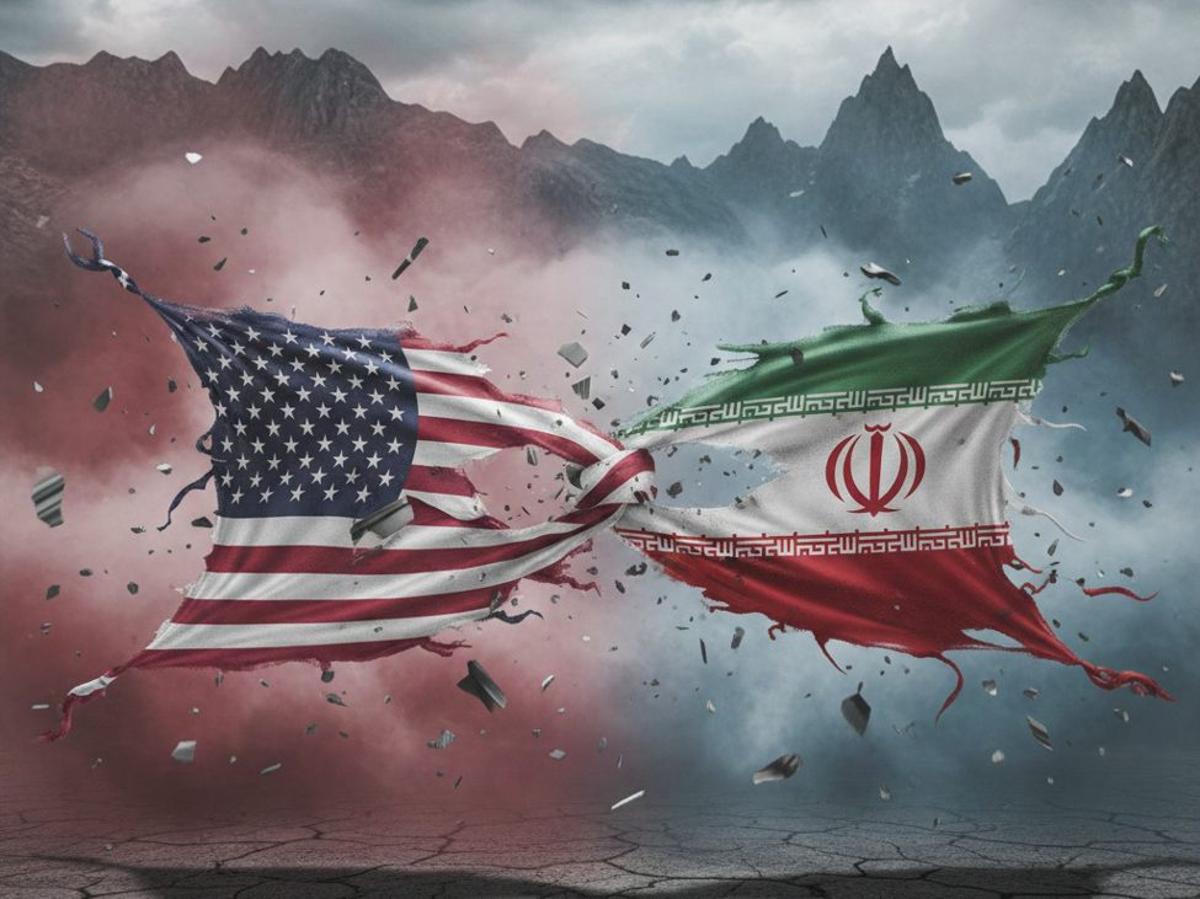
Iran: From Now on Actions of the US Maritime Blockade Will Be Met with Military Response
Why It Matters
The threat raises the risk of a naval confrontation that could disrupt global oil shipments and spike energy prices, prompting investors to reassess exposure to shipping and energy sectors.
Key Takeaways
- •Iran vows military response to any U.S. maritime blockade.
- •Credibility of the threat remains uncertain amid war fog.
- •Iran's parliament says diplomatic deal with Washington impossible.
- •Rising geopolitical risk could pressure oil prices and shipping insurance.
Pulse Analysis
The latest statement from an unnamed member of Iran’s national security council marks a sharp escalation in the long‑standing rivalry between Tehran and Washington. By explicitly linking any U.S. maritime blockade to a direct military retaliation, Iran is signaling that the Strait of Hormuz—through which roughly a third of the world’s oil passes—could become a flashpoint. While the source’s authenticity is disputed, the warning aligns with Tehran’s broader narrative that no diplomatic settlement with the United States is forthcoming, echoing the parliamentary security committee’s recent declaration.
For global trade, the prospect of a naval showdown raises immediate concerns for tanker routes, container shipping, and the insurance market. A disruption in Hormuz could shave days off delivery times and trigger a surge in freight premiums, while oil benchmarks would likely spike as traders price in supply uncertainty. Defense contractors that supply anti‑ship missiles, naval platforms, and electronic warfare systems may see heightened demand, and regional security firms could experience a surge in contracts for risk assessment and escort services. Port operators are also reviewing contingency plans to reroute vessels around alternative chokepoints such as the Cape of Good Hope.
Equity markets, however, appeared largely unfazed, with the Nasdaq climbing 1.3% and the S&P 500 up 0.75% on the day the story broke. The modest rally suggests investors are weighing the threat against broader macro trends, such as resilient corporate earnings and a still‑strong technology sector. Nevertheless, risk‑averse portfolios may tilt toward commodities, energy, and defense stocks, while fund managers keep a close eye on shipping indices and oil price volatility as the situation evolves. Analysts recommend monitoring diplomatic channels for any de‑escalation signals, as even a brief lull could quickly reverse market sentiment.
Iran: From now on actions of the US maritime blockade will be met with military response
Comments
Want to join the conversation?
Loading comments...