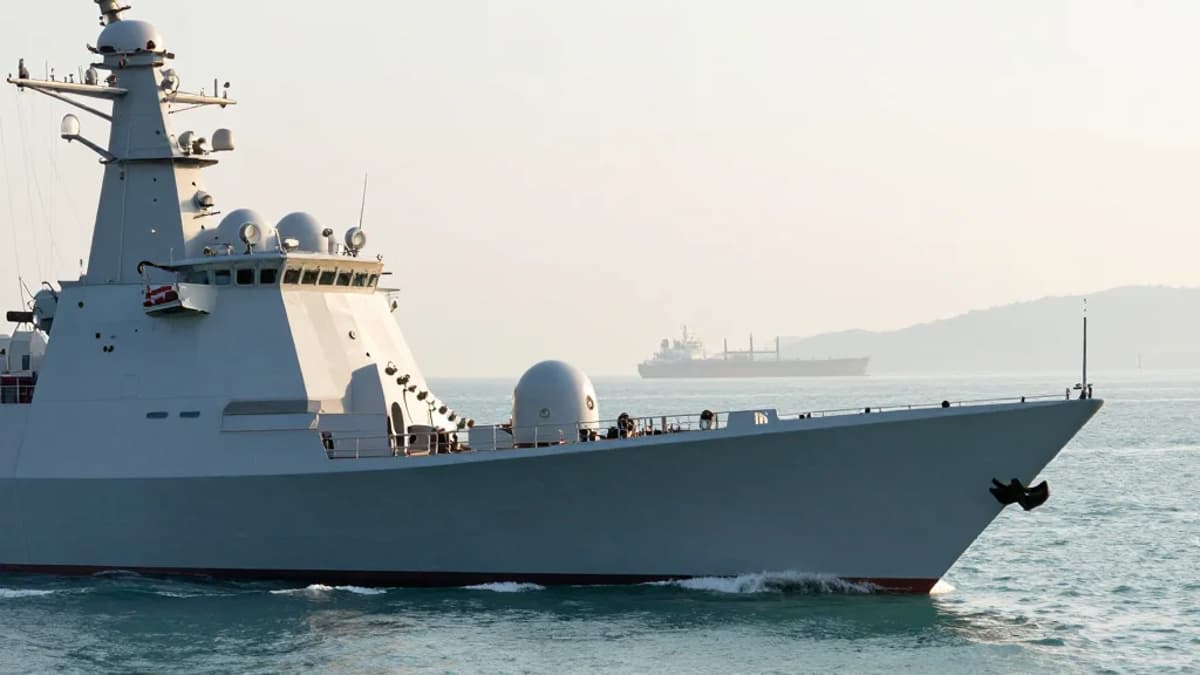
Iran Launches Navy Drills To 'Control' Strait of Hormuz
•February 16, 2026
0
Why It Matters
Iran’s show of force threatens uninterrupted oil flow through Hormuz, potentially spiking global energy prices and prompting heightened naval presence from major powers.
Key Takeaways
- •Iran conducts drills to assert dominance over Hormuz.
- •Second U.S. carrier deployed amid rising regional tensions.
- •Hormuz chokepoint handles ~20% global oil shipments.
- •Drills could disrupt shipping, raising insurance premiums.
- •International calls for de‑escalation intensify.
Pulse Analysis
The Strait of Hormuz remains a geopolitical flashpoint because it channels roughly 20 percent of the world’s oil trade. Any disruption—whether from conflict, piracy, or state‑led exercises—can reverberate through global energy markets, prompting price volatility and supply‑chain adjustments. Iran’s recent announcement underscores its intent to leverage geographic leverage, signaling to both regional rivals and distant powers that it can influence maritime traffic at will.
Iran’s drills come on the heels of the U.S. Navy deploying a second carrier strike group to the Arabian Sea, a move intended to reassure allies and deter escalation. By staging live‑fire exercises, anti‑ship missile launches, and simulated blockades, Tehran is testing operational readiness while sending a diplomatic message: control of Hormuz is non‑negotiable. The United States, meanwhile, views the carrier presence as a stabilizing factor, yet the parallel maneuvers raise the risk of miscalculation, especially in a waterway where naval vessels from multiple nations routinely intersect.
For investors and policymakers, the immediate concern is the potential impact on oil freight rates and insurance premiums. Historical precedents show that even the perception of threat can trigger a surge in tanker charter costs and trigger strategic stockpiling. Moreover, the drills may prompt calls for multilateral de‑escalation mechanisms, such as renewed dialogue under the International Maritime Organization. Monitoring the next steps of both Tehran and Washington will be essential for forecasting energy price trends and assessing broader security dynamics in the Middle East.
Iran Launches Navy Drills To 'Control' Strait of Hormuz
0
Comments
Want to join the conversation?
Loading comments...