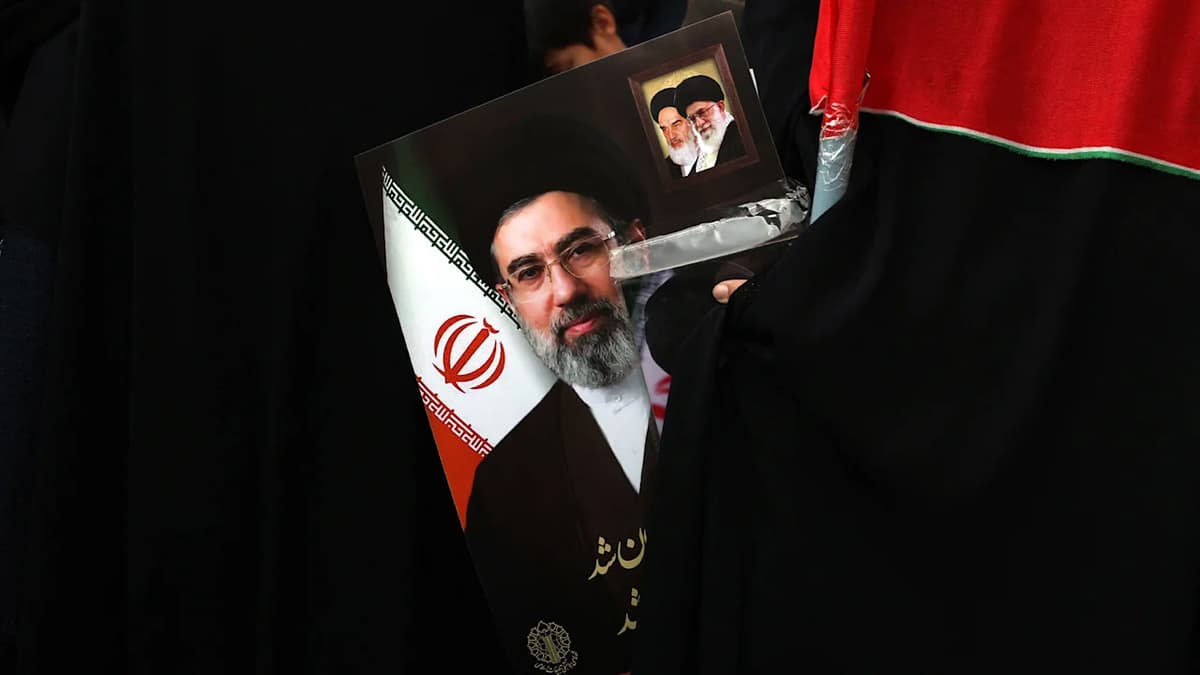
Iran Names a New Supreme Leader. What to Know About the Successor to the Ayatollah Ali Khamenei
•March 9, 2026
0
Why It Matters
The leadership shift could accelerate Iran’s nuclear ambitions and intensify proxy wars, threatening global energy markets and geopolitical stability. Investors and policymakers must gauge the risk of further escalation in a volatile region.
Key Takeaways
- •Mojtaba Khamenei, 56, appointed Iran's supreme leader.
- •Appointment coincides with intensified IRGC missile and drone strikes.
- •Oil prices breach $100 per barrel amid regional conflict.
- •U.S. and Saudi forces face direct Iranian attacks.
- •Desalination plants and civilian infrastructure suffer significant damage.
Pulse Analysis
The elevation of Mojtaba Khamenei marks a rare dynastic succession in the Islamic Republic, signaling continuity of the hard‑line policies championed by his father. As a close confidant of the Revolutionary Guard, the new leader is poised to direct Iran’s military strategy and shape the future of its nuclear program, which remains a focal point of international negotiations. His lack of formal political experience underscores the clerical establishment’s priority: maintaining ideological control during a period of war and internal dissent.
Energy markets have reacted sharply to the leadership change and the broader conflict. Oil futures have surged past $100 per barrel, reflecting concerns over supply disruptions from Iranian missile strikes on Gulf facilities and the shutdown of Qatar’s production. Simultaneously, attacks on desalination plants and oil depots threaten water security for millions, adding a humanitarian dimension to the economic fallout. Analysts warn that prolonged volatility could reshape global trade routes and force consumers to seek alternative energy sources.
Diplomatically, the appointment deepens fissures between Tehran and the United States, Saudi Arabia, and Israel. Washington has already begun evacuating non‑essential personnel from several Middle Eastern posts, while Riyadh has warned of severe retaliation if Iranian aggression continues. The potential for a more aggressive nuclear posture under Khamenei raises the stakes for non‑proliferation efforts, prompting investors to reassess exposure to regional equities and commodities. Stakeholders must monitor Tehran’s policy signals closely, as any escalation could reverberate across financial markets worldwide.
Iran names a new supreme leader. What to know about the successor to the Ayatollah Ali Khamenei
0
Comments
Want to join the conversation?
Loading comments...