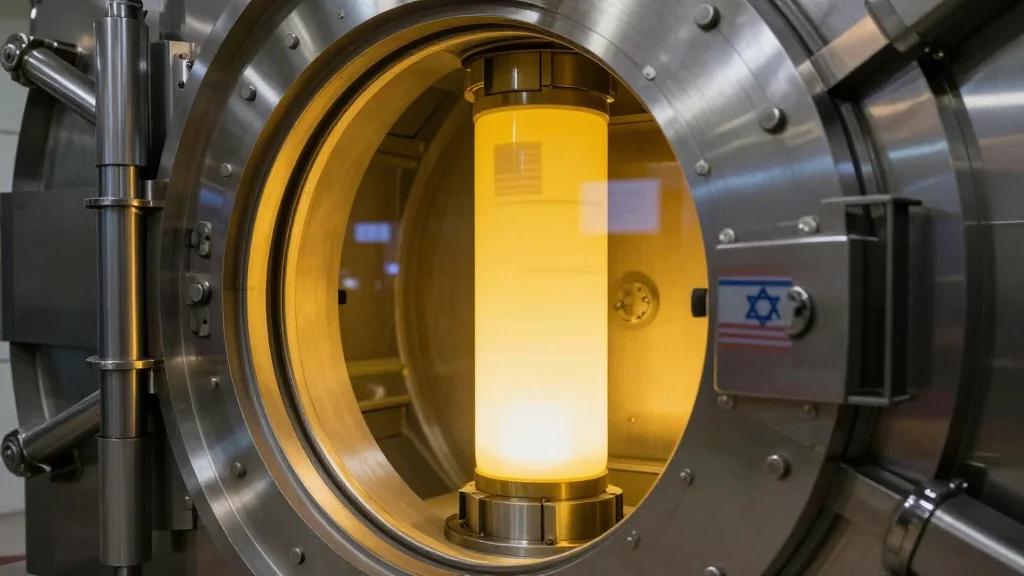
Why It Matters
The setback reshapes non‑proliferation dynamics, giving the U.S. and its allies leverage in future nuclear negotiations with Iran. Yet the lingering enriched uranium and limited IAEA access keep the risk of a breakout capability alive.
Key Takeaways
- •June 2025 strikes delayed Iran's nuclear capability by months to years
- •Iran retains ~440 kg of 60% enriched uranium after attacks
- •Rebuilding the program will require years, heavy investment, and expertise
- •Russia offers to take Iranian enriched uranium, but Europe opposes
- •IAEA inspectors denied access, leaving stockpile size uncertain
Pulse Analysis
The June 2025 coordinated air campaign by the United States and Israel marked a decisive escalation in the effort to curb Iran’s nuclear ambitions. By targeting key centrifuge plants, research facilities, and the universities that housed critical data, the strikes crippled the country’s ability to quickly assemble a weapon‑grade bomb. Analysts estimate the damage set the program back by several months to a few years, erasing much of the momentum built since the 2015 nuclear deal and forcing Tehran to rebuild from a weakened foundation.
Even after the devastation, Iran’s material stockpile remains a strategic concern. The International Atomic Energy Agency previously calculated roughly 440 kilograms of uranium enriched to 60 percent—well above the 3.67 percent limit of the former accord. While half of this material is believed to be buried in the Isfahan tunnels, the fate of the remainder is murky, compounded by Tehran’s refusal to allow inspectors back onto the damaged sites. Russia has floated a proposal to accept the enriched uranium on its soil as part of a broader peace framework, a move that European partners reject due to geopolitical sensitivities and the precedent it could set.
The lingering uncertainty over Iran’s enriched uranium stockpile and the loss of scientific expertise underscores a fragile non‑proliferation landscape. Reconstituting the program will require significant financial resources, technical talent, and time—factors that could be leveraged in diplomatic negotiations. However, without transparent IAEA access, the international community cannot verify the true extent of Iran’s capabilities, leaving a window for potential escalation. Stakeholders therefore face a delicate balance: pressuring Tehran to fully disclose and dismantle its enrichment activities while managing the broader regional security calculus that includes Russian involvement and European opposition.
Iran nuclear programme 'set back' but not wiped out
Comments
Want to join the conversation?
Loading comments...