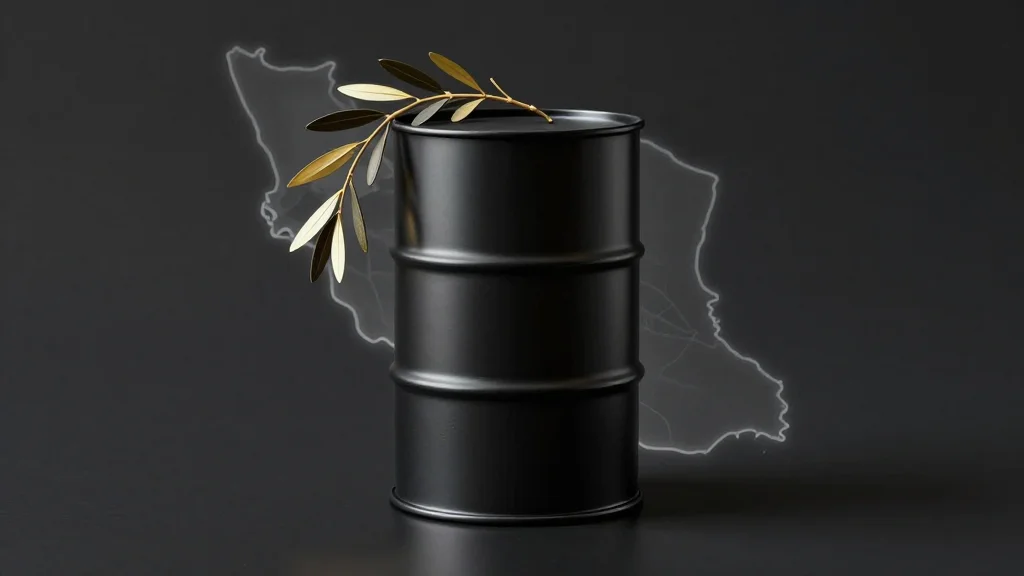
Iran Offers New Proposal to End War with United States
Why It Matters
The move could thaw a stalled diplomatic channel and ease geopolitical tension that is inflating global energy prices. A breakthrough would impact oil markets, regional security, and U.S. domestic politics ahead of the 2026 mid‑terms.
Key Takeaways
- •Iran routes new peace proposal through Pakistan to U.S. mediators
- •Cease‑fire holds, but Strait of Hormuz remains strategic chokepoint
- •Brent crude slipped to $110 per barrel after proposal news
- •U.S. administration declines comment, citing private diplomatic talks
Pulse Analysis
The February 28, 2026, conflict between Iran and the United States has reshaped Middle Eastern shipping lanes, especially the vital Strait of Hormuz. Iran’s control of the waterway has throttled the flow of oil, gas, and fertilizer, prompting the United States to launch a counter‑blockade that further strained global supply chains. As the war entered its third month, the economic fallout manifested in soaring energy prices and heightened market volatility, pressuring policymakers to seek a diplomatic exit before the situation escalates into a broader regional confrontation.
Pakistan’s role as an intermediary reflects a long‑standing tradition of South Asian states facilitating back‑channel talks between adversaries. By forwarding Iran’s latest proposal to Washington, Islamabad hopes to revive stalled negotiations that have so far produced only one inconclusive round of direct talks in Islamabad. While the content of the proposal remains opaque, its mere transmission signals Tehran’s willingness to engage and Washington’s cautious openness, despite the White House’s refusal to discuss private diplomatic exchanges publicly. Analysts view this as a potential opening for confidence‑building measures that could lead to a phased de‑escalation, provided both sides can agree on verifiable steps regarding nuclear ambitions and maritime security.
The market reaction was immediate: Brent crude eased to about $110 a barrel, a modest retreat from the $126 peak reached earlier in the week. Although the price dip was slight, it underscored how sensitive energy markets are to diplomatic signals. A durable peace settlement would likely stabilize oil prices, easing inflationary pressures on U.S. consumers and influencing the political calculus ahead of the 2026 mid‑term elections, where fuel costs remain a key voter concern. Investors and policymakers alike are watching the Pakistan‑mediated talks closely, recognizing that any progress could reshape global energy flows and regional power dynamics.
Iran offers new proposal to end war with United States
Comments
Want to join the conversation?
Loading comments...