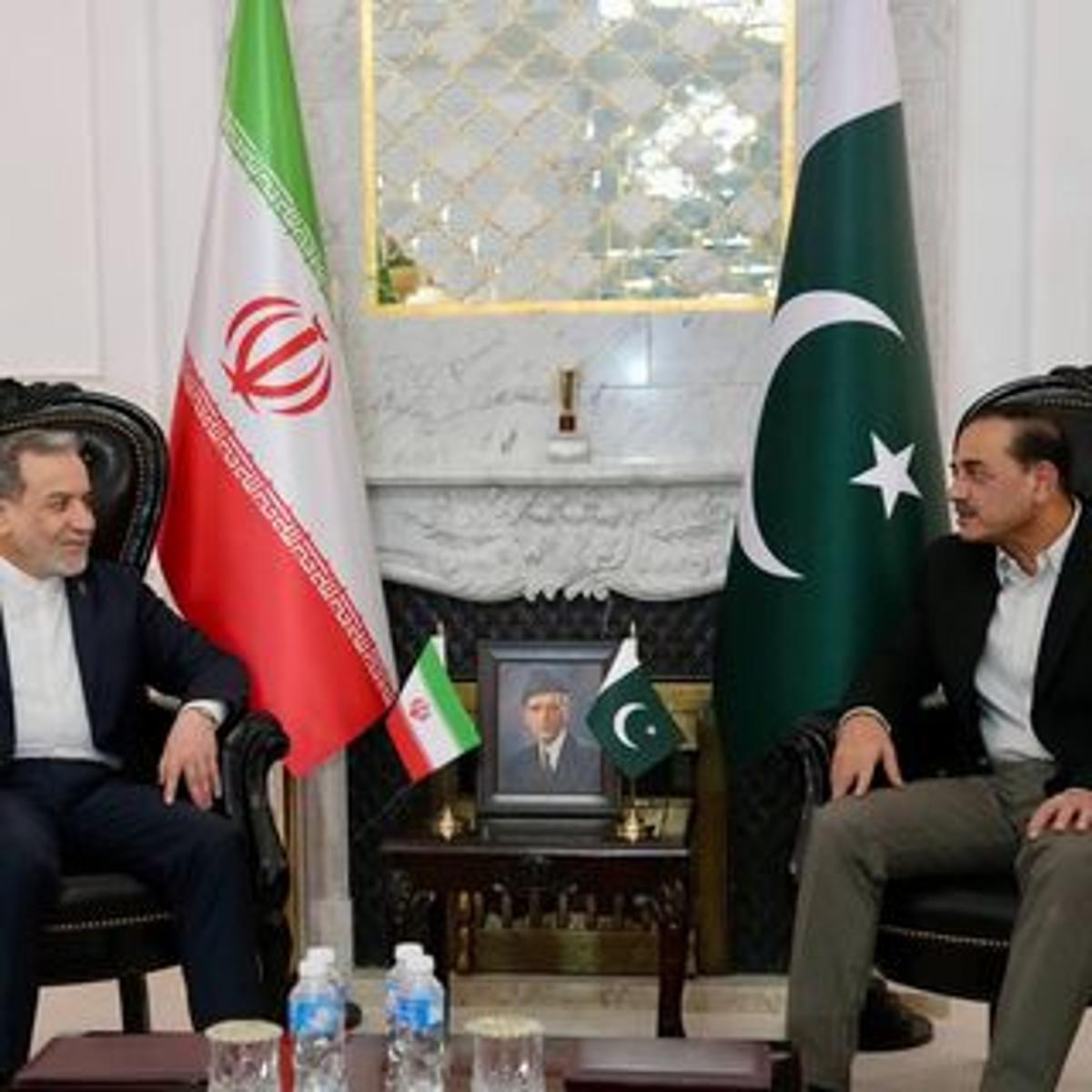
Iran Offers New Response on Draft Peace Deal, Trump "Not Satisfied"
Why It Matters
The exchange underscores the fragility of negotiations and raises the risk of renewed U.S. military action, impacting regional stability and global oil markets.
Key Takeaways
- •Iran sent response via Pakistani mediators on Thursday
- •Trump expressed dissatisfaction, citing disjointed Iranian leadership
- •U.S. amendments reinsert nuclear issue, demand no uranium movement
- •White House considered military options, held 45‑minute Situation Room briefing
- •Iran demands U.S. tone shift before pursuing diplomacy
Pulse Analysis
The United States and Iran have been locked in a volatile standoff since the escalation of hostilities in the Persian Gulf earlier this year, with the closure of the Strait of Hormuz threatening a critical artery for global oil shipments. Washington’s strategy has oscillated between pressure tactics—such as the naval blockade announced by President Trump—and overtures for a negotiated settlement that would end the conflict while postponing nuclear talks. In this high‑stakes environment, any diplomatic signal, even a modest response, can shift the calculus of both capitals and market participants.
In the latest round, Iran transmitted a written reply to the U.S. draft peace framework through Pakistani intermediaries, a move that indicates diplomatic channels remain partially open. The American side, represented by envoy Steve Witkoff, attached a set of amendments that re‑introduce the nuclear question, explicitly prohibiting Tehran from relocating enriched uranium from its damaged facilities. Trump’s public dismissal of the Iranian offer—labeling the leadership “very disjointed”—reflects domestic political pressure and skepticism about Iran’s bargaining power, while also signaling that the administration expects tougher concessions.
The convergence of diplomatic outreach and a renewed military briefing raises the specter of escalation. A 45‑minute Situation Room session attended by Vice President Vance, Secretary of State Marco Rubio, and top defense officials suggests that the United States is weighing kinetic options alongside negotiation leverage. Analysts warn that any resumption of hostilities could spike oil prices and destabilize regional economies, while a breakthrough could restore shipping lanes and reduce inflationary pressures worldwide. Stakeholders will be watching closely for the next statement from either side, as it will likely dictate market sentiment and geopolitical risk assessments for the coming weeks.
Iran offers new response on draft peace deal, Trump "not satisfied"
Comments
Want to join the conversation?
Loading comments...