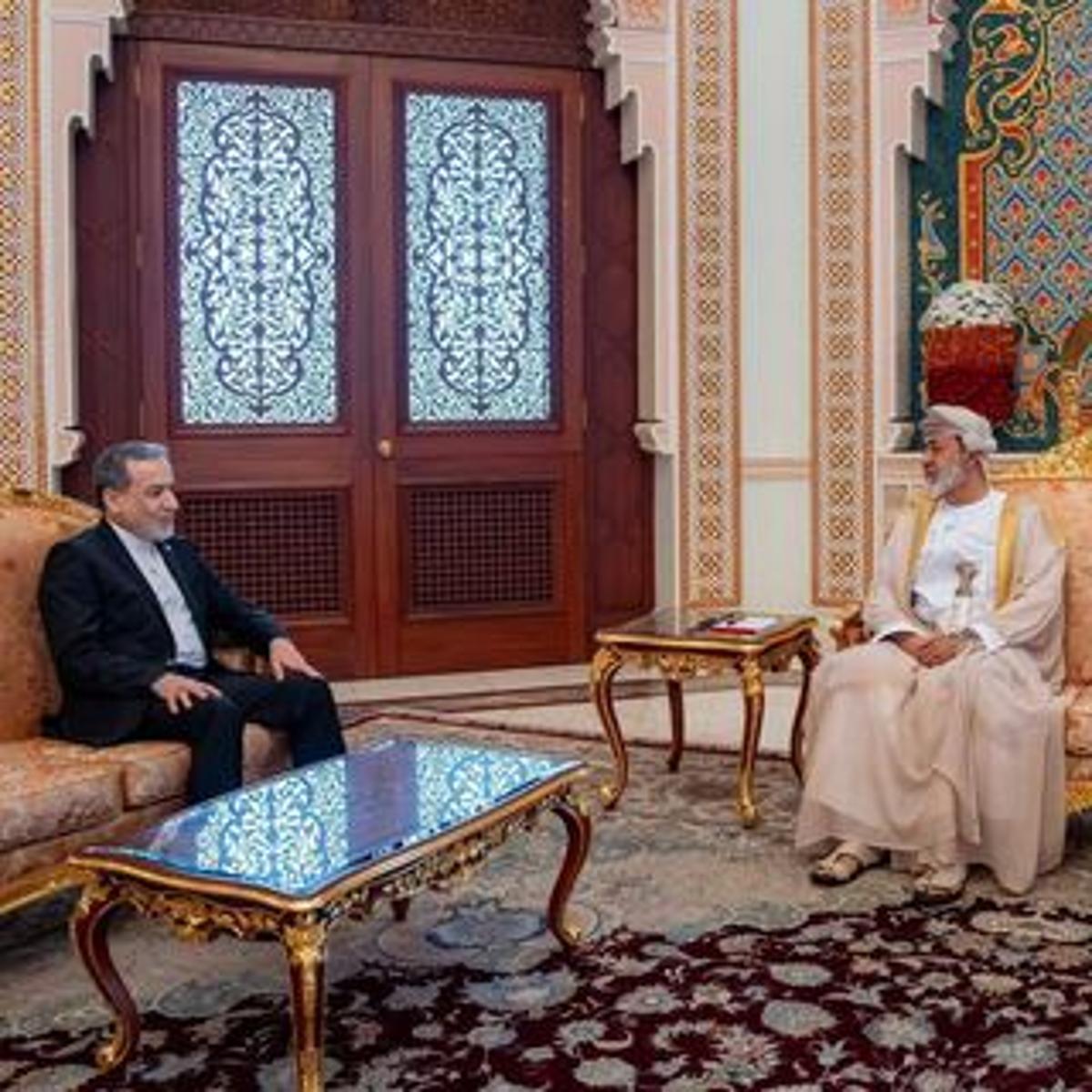
Iran Offers U.S. Deal to Reopen Strait but Postpone Nuclear Talks
Why It Matters
Reopening Hormuz could relieve global oil market pressure but may erode U.S. leverage in securing long‑term nuclear non‑proliferation concessions from Iran.
Key Takeaways
- •Iran proposes lifting Hormuz blockade, delaying nuclear talks
- •U.S. officials received proposal via Pakistani mediators, response pending
- •Trump to convene Situation Room meeting on Iran Monday
- •Blockade threatens Iranian oil exports, could trigger internal pressure
- •Divided Iranian leadership hampers consensus on enrichment concessions
Pulse Analysis
The Strait of Hormuz carries roughly a fifth of global oil shipments, making it a critical chokepoint for both producers and consumers. After weeks of deadlocked nuclear talks, Iran’s foreign minister Abbas Araghchi presented Washington with a new diplomatic package that would immediately reopen the waterway and extend the cease‑fire, while postponing any discussion on uranium enrichment to a later phase. The offer, relayed through Pakistani, Egyptian, Turkish and Qatari intermediaries, seeks to sidestep internal divisions within Tehran’s leadership and deliver a quick de‑escalation.
For the Trump administration, the proposal cuts both ways. Lifting the blockade would restore Iran’s oil flow, easing pressure on global markets and undercutting a key bargaining chip that President Trump has used to demand a decade‑long suspension of enrichment. Yet the same concession could diminish U.S. leverage in future negotiations over Tehran’s stockpile of enriched uranium, a core objective of the administration’s “maximum pressure” campaign. Analysts warn that without a clear nuclear roadmap, reopening Hormuz may simply postpone a more contentious showdown.
The next steps hinge on how Washington interprets the offer and whether it can secure a credible timeline for nuclear talks. A Situation Room meeting scheduled for Monday will likely weigh the economic fallout of a continued blockade against the strategic cost of conceding on the strait. Regional actors, including Oman, Pakistan and Russia, remain poised to mediate, but any agreement will need to address Iran’s internal split and the United States’ demand for verifiable non‑proliferation guarantees. The outcome could reshape energy flows and set a precedent for future crisis diplomacy.
Iran offers U.S. deal to reopen strait but postpone nuclear talks
Comments
Want to join the conversation?
Loading comments...