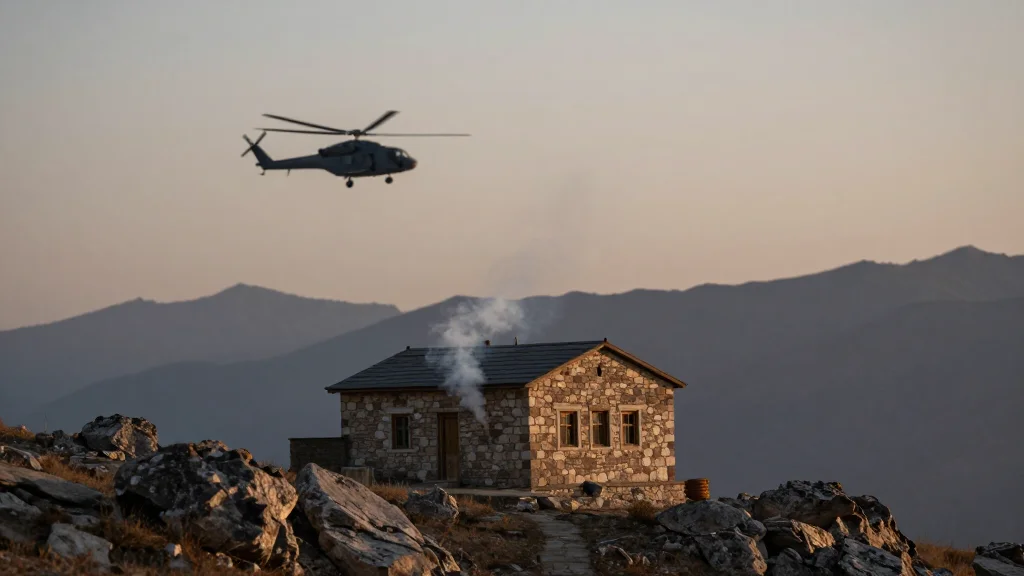
Iran Says Targeted ‘Terrorist Groups’ in Iraq
Why It Matters
The strike underscores Tehran’s willingness to project power beyond its borders, raising tensions with Kurdish factions and complicating regional security dynamics. It also signals to U.S. and allied partners that Iran will continue asymmetric operations despite diplomatic overtures.
Key Takeaways
- •IRGC hit Kurdish militant headquarters in Sulaymaniyah, Iraq
- •Iran labels Kurdish parties as proxies for Western or Israeli interests
- •Strikes continue despite April cease‑fire in the broader Middle East conflict
- •Targeted sites were largely evacuated, limiting civilian casualties
Pulse Analysis
Iran’s latest cross‑border operation reflects a broader pattern of the Islamic Revolutionary Guard Corps using precision strikes to neutralize perceived threats beyond its frontier. Since the outbreak of the wider Middle East war, the IRGC has justified attacks on Kurdish militias by branding them as extensions of Western or Israeli agendas. The June 8 raid on a Sulaymaniyah compound illustrates Tehran’s strategic calculus: degrading groups it deems hostile while signaling resolve to domestic and international audiences, even as a cease‑fire declared in April remains fragile.
For the Kurdish armed factions operating in Iraq’s autonomous region, the strike raises existential and operational concerns. Although the targeted headquarters were reportedly evacuated, the message is clear—any alignment with external powers could invite Iranian retaliation. This dynamic pressures Kurdish leaders to recalibrate their political affiliations and security postures, potentially curbing their leverage in Baghdad’s negotiations and in the broader anti‑ISIS coalition. Regional actors, including the United States, monitor these developments closely, fearing escalation that could destabilize the delicate balance of power in northern Iraq.
Diplomatically, the incident complicates Tehran’s outreach to European and Gulf states seeking de‑escalation. By continuing kinetic actions despite a formal cease‑fire, Iran risks alienating potential mediators and inviting further sanctions or military countermeasures. Analysts suggest the IRGC’s behavior serves both a domestic propaganda function and a deterrent strategy, aiming to deter Kurdish groups from cooperating with adversaries. Future trajectories will hinge on whether diplomatic channels can restrain Iran’s extraterritorial tactics or whether a cycle of retaliation will deepen regional volatility.
Iran says targeted ‘terrorist groups’ in Iraq
Comments
Want to join the conversation?
Loading comments...