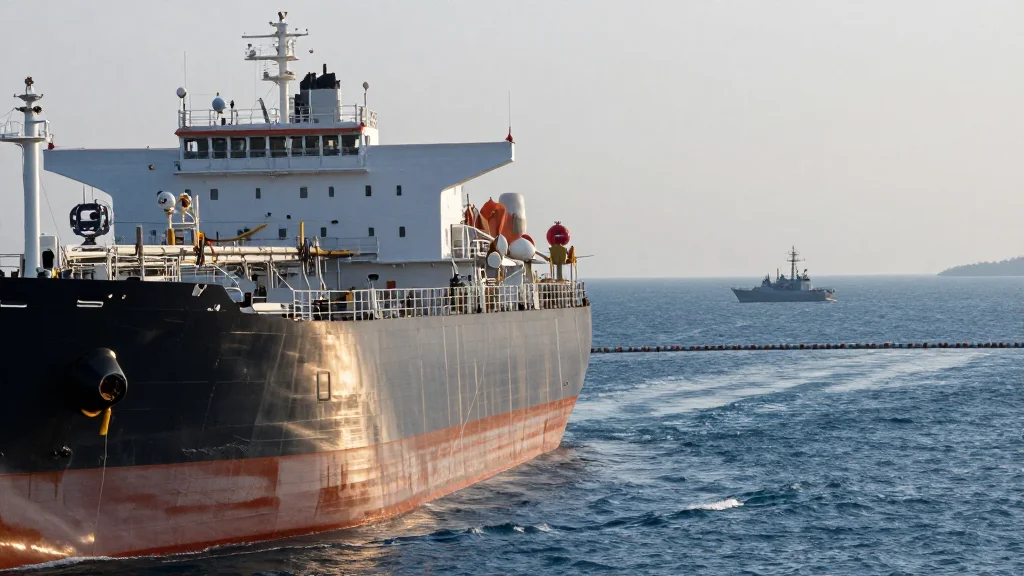
Iran Says that Strait of Hormuz Is Closed Once Again, Situation Returns to Previous State
Why It Matters
A de‑facto closure of the Hormuz corridor can tighten global oil supplies, pushing prices higher and stressing economies reliant on energy imports.
Key Takeaways
- •Iran re‑imposes strict control, requiring vessel approval
- •US failure to ensure free navigation cited as trigger
- •Only limited tankers transited before closure
- •Potential oil supply squeeze could lift global prices
Pulse Analysis
The Strait of Hormuz, a chokepoint for roughly 20% of the world’s petroleum, has once again slipped into a state of near‑closure after Iran’s military declared a return to "strict control." Tehran’s rhetoric frames the United States as the party that failed to honor a navigation agreement, using that grievance to justify demanding prior approval for any vessel. While a modest uptick in traffic was recorded earlier in the day, the majority of tankers were either turned away or lingered offshore, underscoring the fragility of any perceived reopening. This pattern mirrors previous flashpoints where geopolitical posturing quickly translated into tangible shipping disruptions.
From a market perspective, the uncertainty surrounding Hormuz directly feeds into crude‑oil pricing dynamics. Even short‑lived interruptions can trigger speculative buying, as traders price in the risk of sustained supply constraints. With global oil inventories already under pressure from earlier geopolitical shocks, a renewed bottleneck could push Brent and WTI futures several dollars higher within weeks. Moreover, downstream sectors—refining, petrochemicals, and transportation—face cost escalations that ripple through consumer prices, amplifying inflationary pressures in both emerging and developed economies.
Strategically, the episode highlights the broader contest for maritime dominance in the Middle East. Iran’s leverage stems from its geographic control, while the United States seeks to maintain open sea lanes through naval presence and diplomatic engagement. The latest closure underscores the limits of diplomatic assurances when trust erodes. For investors and policymakers, monitoring vessel movements via AIS data, satellite imagery, and regional diplomatic signals will be crucial to anticipate further supply shocks and to gauge the durability of any future reopening of the strait.
Iran says that Strait of Hormuz is closed once again, situation returns to previous state
Comments
Want to join the conversation?
Loading comments...