Why It Matters
The standoff threatens global oil supplies and market stability while prolonging a volatile Middle‑East war that could trigger widespread economic and humanitarian fallout.
Key Takeaways
- •Iran demands US accept its 14‑point peace proposal.
- •Trump calls Iran's counteroffer totally unacceptable, promises victory.
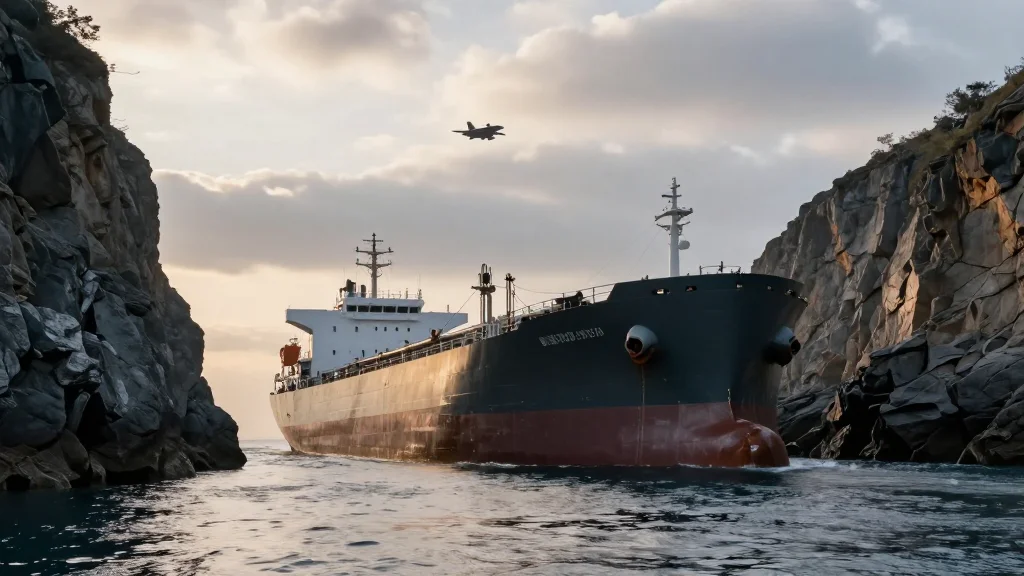
- •Strait of Hormuz restrictions push oil prices higher, risk energy crisis.
- •UN warns 45 million could face hunger without swift resolution.
- •Fighting continues in Lebanon despite April 17 ceasefire.
Pulse Analysis
The latest diplomatic volley between Tehran and Washington underscores a deepening impasse in the Middle‑East conflict that began with US‑Israeli strikes on Iran. Iran’s negotiator, Mohammad Bagher Ghalibaf, framed the 14‑point plan as the only viable path to ending hostilities, while the Trump administration rejected it outright, signaling a willingness to pursue a military victory. This rhetoric not only stalls peace talks but also reinforces the perception that both sides are entrenched, leaving regional actors and global markets in a state of uncertainty.
Energy markets have reacted sharply to the diplomatic flare‑up. Iran’s threat to levy tolls on ships transiting the Strait of Hormuz—a chokepoint that moves roughly 20% of the world’s oil and natural gas—has already pushed Brent crude above $90 per barrel. The prospect of a prolonged closure or even intermittent disruptions raises the specter of a supply shock reminiscent of 1970s oil crises, prompting investors and policymakers to reassess risk premiums and strategic reserves. For businesses reliant on stable energy inputs, the volatility translates into higher operating costs and supply chain disruptions.
Beyond economics, the human cost is mounting. United Nations officials warn that without a rapid de‑escalation, an additional 45 million people could face hunger, compounding the already dire situation in Lebanon where over 2,800 deaths have been recorded. The continuation of hostilities despite the April 17 truce highlights the fragility of any ceasefire and the potential for a broader humanitarian crisis. Companies operating in the region must therefore monitor diplomatic developments closely, as shifts in policy could affect everything from logistics routes to regulatory environments, influencing long‑term strategic planning.
Iran says US must accept peace plan or face 'failure'
Comments
Want to join the conversation?
Loading comments...