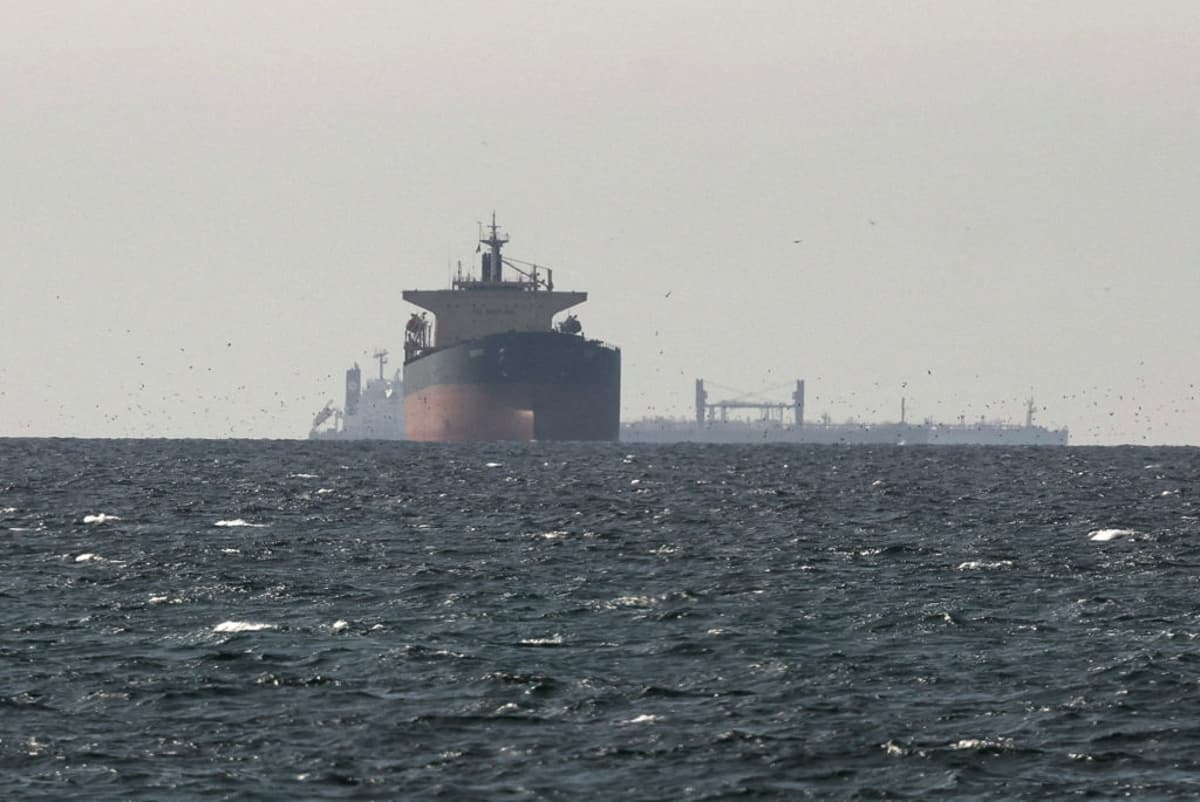
Iran Targets Commercial Ships, Dubai Airport and Oil Facilities as Concerns Grow over Global Energy
•March 11, 2026
0
Companies Mentioned
Why It Matters
Disruptions to key shipping lanes and financial hubs threaten global energy supplies and market stability, pressuring policymakers to intervene.
Key Takeaways
- •Iran attacked ships, Dubai airport, and oil fields.
- •Four injured at Dubai International Airport.
- •Thailand cargo ship ablaze; crew missing.
- •Iran threatens Middle Eastern banks and financial centers.
- •Strait of Hormuz traffic sharply reduced, oil prices up 20%
Pulse Analysis
The latest Iranian offensive marks a decisive shift from isolated missile strikes to a broader campaign that targets commercial maritime traffic, civil aviation infrastructure, and the financial arteries of the Gulf. By striking vessels in the Persian Gulf and firing drones at Dubai International Airport, Tehran signals its willingness to inflict economic pain beyond the battlefield. The announcement to target banks and other financial institutions underscores a strategy aimed at destabilising the region’s credit flows, a move that could reverberate through offshore banking hubs in Dubai, Bahrain and Saudi Arabia.
The attacks have already choked the Strait of Hormuz, a conduit for roughly 20% of global oil shipments, forcing vessels to either halt or resort to “dark” transits that hide their AIS signals. With seven ships reported to have passed since March 8—far below the usual daily hundred—supply constraints are tightening, keeping Brent crude about 20% above pre‑conflict levels. Energy‑dependent economies, from Europe to East Asia, are scrambling to tap strategic reserves, while the International Energy Agency urges member states to release additional emergency stocks to blunt price spikes.
Regional powers and Western allies are now faced with a dilemma: intensify military pressure on Tehran or pursue diplomatic channels to restore the flow of commerce. The United Nations Security Council’s pending Gulf Cooperation Council resolution could lay the groundwork for collective sanctions, yet enforcement remains uncertain amid competing geopolitical interests. Meanwhile, Iran’s willingness to threaten financial institutions adds a cyber‑economic dimension that could compel multinational banks to reassess exposure to the Gulf. Investors will be watching closely for any de‑escalation signals that might stabilize both energy markets and broader financial stability.
Iran targets commercial ships, Dubai airport and oil facilities as concerns grow over global energy
0
Comments
Want to join the conversation?
Loading comments...