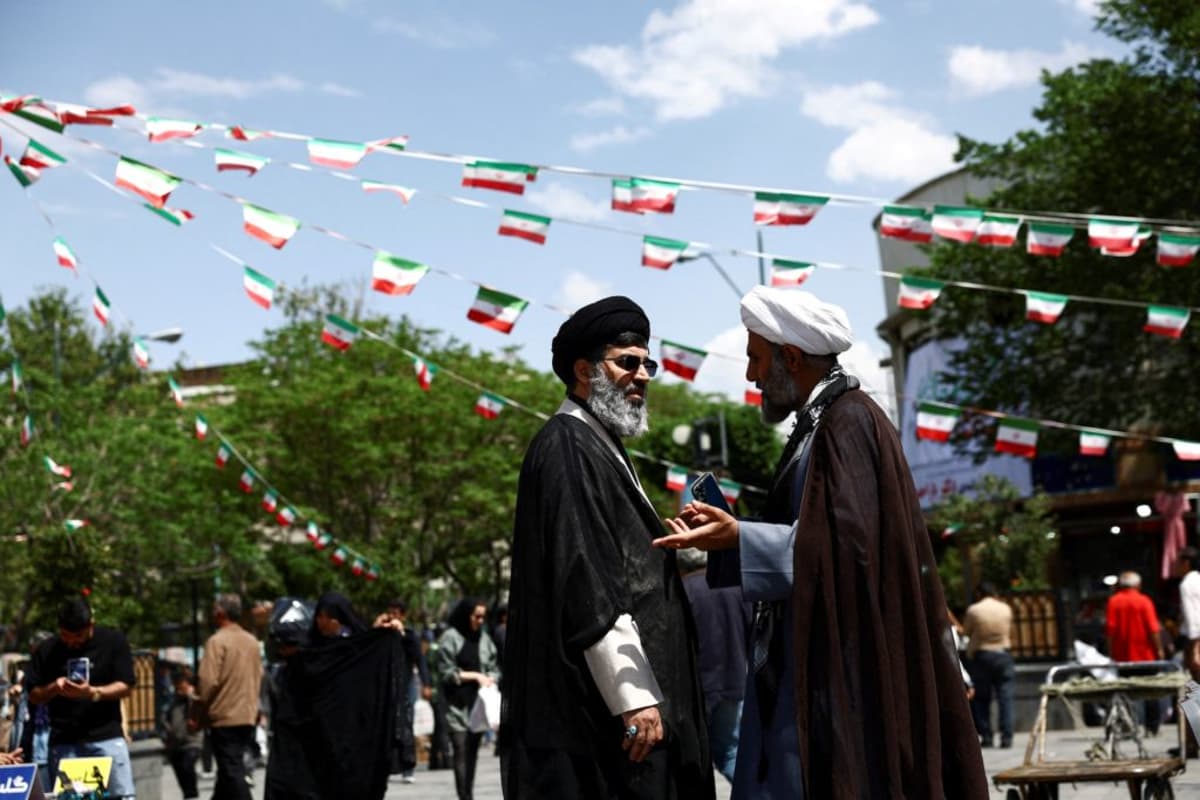
Iran Targets Ships in Strait of Hormuz as U.S. Talks Remain Uncertain
Why It Matters
The incident threatens the world’s most critical oil chokepoint, raising shipping costs and heightening geopolitical risk for global markets. It also signals a hardening U.S. stance that could stall any diplomatic resolution with Tehran.
Key Takeaways
- •Iran seized two vessels in Hormuz Strait on April 22
- •U.S. says attacks don’t violate cease‑fire, ships weren’t American
- •President Trump satisfied with naval blockade, no negotiation timetable
- •U.S. intercepted three Iranian ships in Asian waters
- •Tensions risk disrupting global oil flow through Hormuz
Pulse Analysis
The Strait of Hormuz, a narrow waterway linking the Persian Gulf to the Arabian Sea, handles roughly a fifth of global oil shipments. Iran’s sudden seizure of two commercial vessels on April 22 marks the latest flashpoint in a region already fraught with mistrust. While the ships were not flagged to the United States or Israel, the incident underscores Tehran’s willingness to leverage maritime pressure to extract concessions in stalled nuclear talks.
Washington’s response has been equally nuanced. The Trump administration, citing the cease‑fire extension negotiated with Pakistani mediators, dismissed the attacks as non‑violations because the targets were not American. Press Secretary Karoline Leavitt reiterated the president’s satisfaction with the ongoing naval blockade, emphasizing that any timeline for renewed negotiations remains at the president’s discretion. This posture reflects a broader U.S. strategy of maintaining strategic pressure while keeping diplomatic channels loosely open, a balance that could either compel Iran back to the table or deepen the impasse.
For markets, the stakes are immediate. Any disruption in Hormuz can trigger spikes in crude prices, as traders price in the risk of delayed shipments and potential rerouting around the Cape of Good Hope. Regional allies watch closely, fearing escalation could spill into broader security operations. Analysts suggest that unless a clear diplomatic pathway emerges, the combination of Iranian maritime aggression and U.S. naval enforcement may keep oil markets volatile through the remainder of the year.
Iran targets ships in Strait of Hormuz as U.S. talks remain uncertain
Comments
Want to join the conversation?
Loading comments...