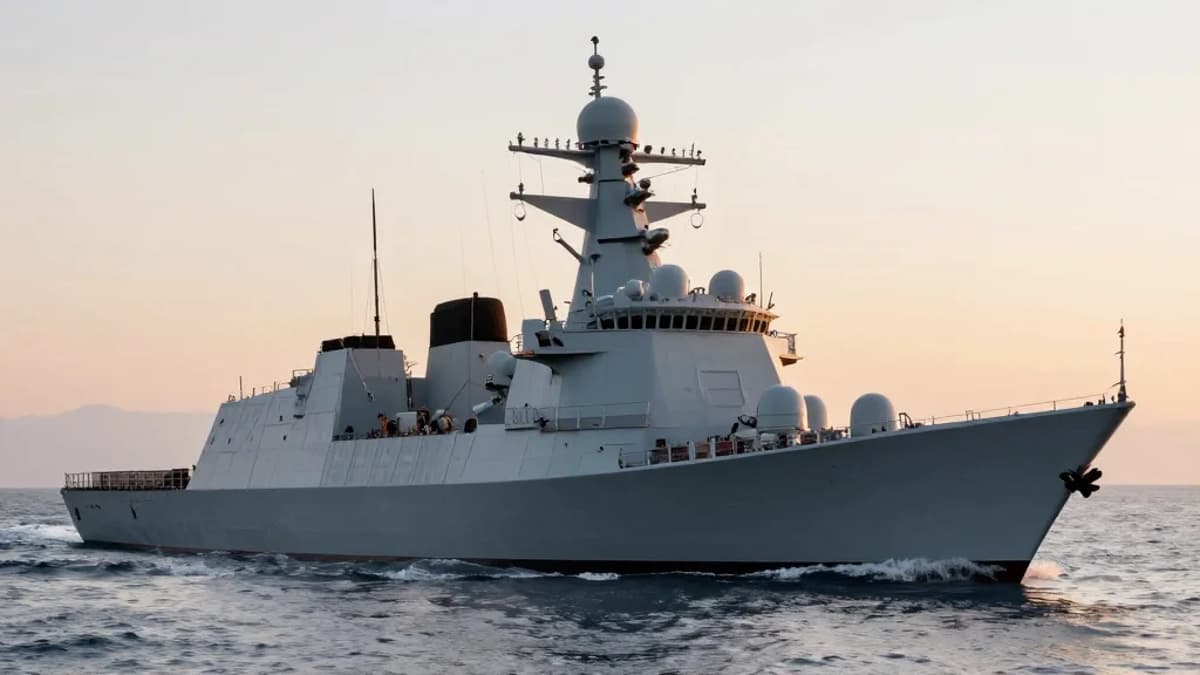
Iran Threat Exposes Britain’s Shrinking Military Reach
•March 9, 2026
0
Why It Matters
Britain’s capability gaps weaken NATO’s collective security and jeopardise the protection of UK overseas assets, raising strategic risks in a volatile Middle East. The funding shortfall signals broader political challenges to sustaining a credible defence posture.
Key Takeaways
- •Iran-linked drones hit British Cyprus base, exposing defence gaps
- •Only three of six Type‑45 destroyers are operational
- •UK defence spending at 1.73% GDP, second lowest NATO
- •Procurement delays leave tanks and frigates outdated
- •Starmer pledges 2.5% GDP defence spend by 2027
Pulse Analysis
The recent Iranian‑backed drone incident in Cyprus has forced policymakers to confront a stark reality: Britain’s expeditionary forces are operating with a fraction of the assets they once commanded. While the United States and regional allies continue to project power, the UK’s naval footprint in the Persian Gulf vanished in 2025, and its remaining Type‑45 destroyers are tied up in lengthy maintenance cycles. This erosion of forward presence not only hampers rapid response to emerging threats but also undermines Britain’s credibility within NATO’s integrated defence framework.
Underlying the operational shortfalls are chronic procurement and personnel challenges. The Sky Sabre air‑defence system, though technically capable of countering drones, is fielded in limited numbers and was not allocated to protect the Cyprus installation. Ground forces rely on tanks and armored vehicles that date back to the Cold War, with only a modest upgrade programme slated for a fraction of the fleet. Simultaneously, the Royal Navy’s aging Type‑23 frigates are slated for replacement only by decade’s end, leaving a capability gap that cannot be bridged by the current six destroyers, three of which remain non‑operational.
Politically, the Starmer administration’s defence budget promises clash with fiscal realities. At 1.73% of GDP, the UK ranks near the bottom of NATO spenders, and the proposed rise to 2.5% by 2027 relies on accounting re‑classifications rather than fresh resources. Chancellor Rachel Reeves’ prioritisation of the NHS and welfare reforms further squeezes the defence purse. Unless the funding trajectory accelerates and procurement pipelines are streamlined, Britain risks ceding strategic influence in the Eastern Mediterranean and beyond, a prospect that could reshape alliance dynamics in the coming years.
Iran Threat Exposes Britain’s Shrinking Military Reach
0
Comments
Want to join the conversation?
Loading comments...