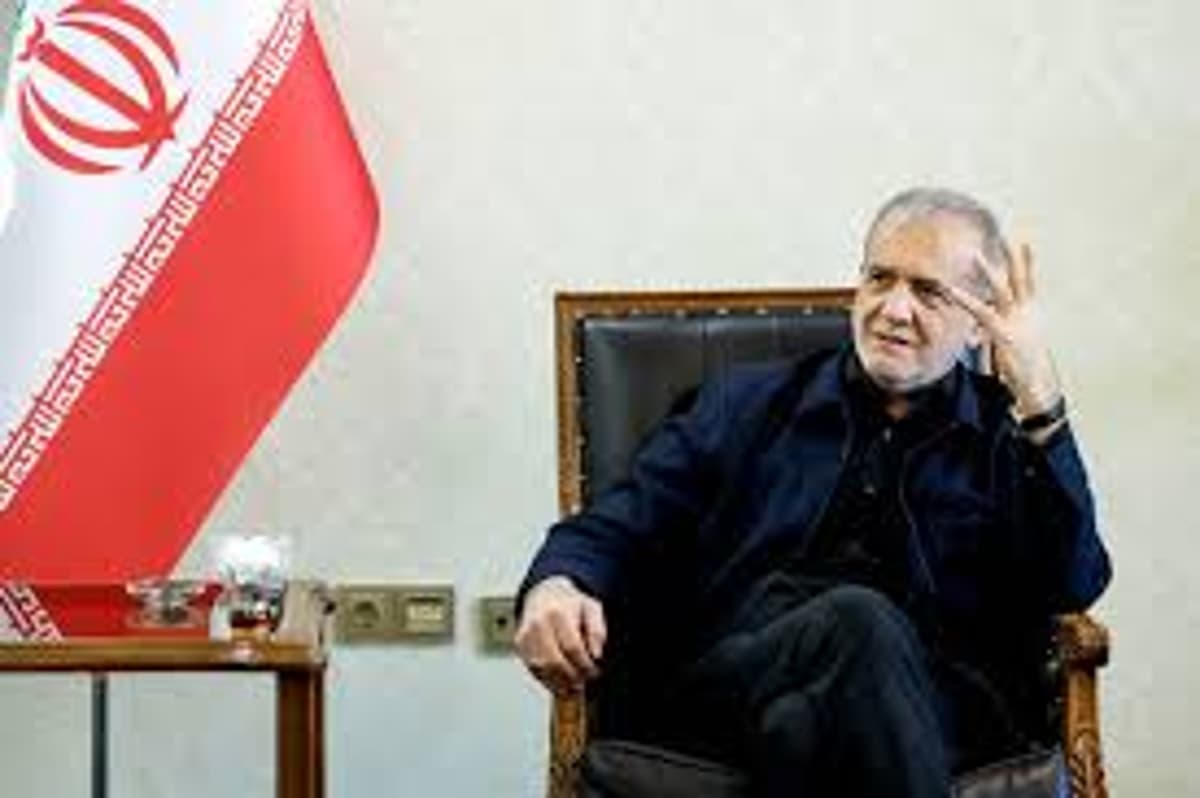
Iran Top Diplomat Says Country May Rejoin Islamabad Peace Talks
Why It Matters
The negotiations will determine regional stability, global oil supply, and U.S. inflation pressures on fuel and everyday goods.
Key Takeaways
- •Iran may rejoin Islamabad talks despite U.S. “maximalist” demands.
- •Trump threatens to bomb Iranian power plants if cease‑fire lapses.
- •Strait of Hormuz closure cuts ~20% of world oil shipments.
- •Gasoline prices stay above $4/gal; experts see months‑long relief.
- •Market disruptions could delay oil flow recovery for up to a year.
Pulse Analysis
The diplomatic deadlock in Islamabad reflects a broader clash of strategic objectives. Iran’s top diplomat, Esmail Baghaei, framed the United States as shifting goal posts after a U.S. naval seizure of an Iranian‑flagged vessel, while President Pezeshkian highlighted a legacy of mistrust that complicates any quick resolution. Trump’s hard‑line rhetoric, including threats to target Iranian power infrastructure, signals a willingness to use force as leverage, raising the stakes for any cease‑fire extension and underscoring the fragility of the nascent peace process.
Beyond the political theater, the closure of the Strait of Hormuz has immediate ramifications for global energy markets. The narrow waterway channels about one‑fifth of the world’s petroleum flow, and its shutdown has already trimmed roughly 20 % of shipments, pushing crude benchmarks higher and inflating gasoline prices in the United States to over $4 per gallon. Analysts at Rapidan Energy and Moody’s warn that even a swift diplomatic settlement would not instantly restore flow; re‑commissioning offshore platforms and repairing damaged infrastructure could take three to four months, with full market normalization extending well beyond a year.
For American consumers, the ripple effects are already evident in rising transportation costs, grocery bills, and broader inflationary pressures. Higher fuel prices translate into more expensive freight, which in turn lifts prices for everyday items—from food to electronics. While President Trump claims gasoline will plunge once the war ends, economists like Mark Zandi caution that the lag in oil supply recovery will keep consumer prices elevated for months. The convergence of geopolitical risk and supply constraints therefore poses a dual challenge: maintaining diplomatic momentum while mitigating the economic fallout that could erode household purchasing power across the United States.
Iran top diplomat says country may rejoin Islamabad peace talks
Comments
Want to join the conversation?
Loading comments...