Iran War Live: Araghchi to Meet Putin; Trump Says Tehran Can Call for Talks
Why It Matters
The diplomatic overtures could reshape the Middle‑East stalemate, influencing both regional security and global energy prices, while the humanitarian crisis in Lebanon underscores the conflict’s broader human toll.
Key Takeaways
- •Iranian FM Araghchi met Putin in St. Petersburg, signaling deeper ties
- •Brent crude rose to $107.35, up 47% since war began
- •US forces redirected 38 ships, tightening the Strait of Hormuz blockade
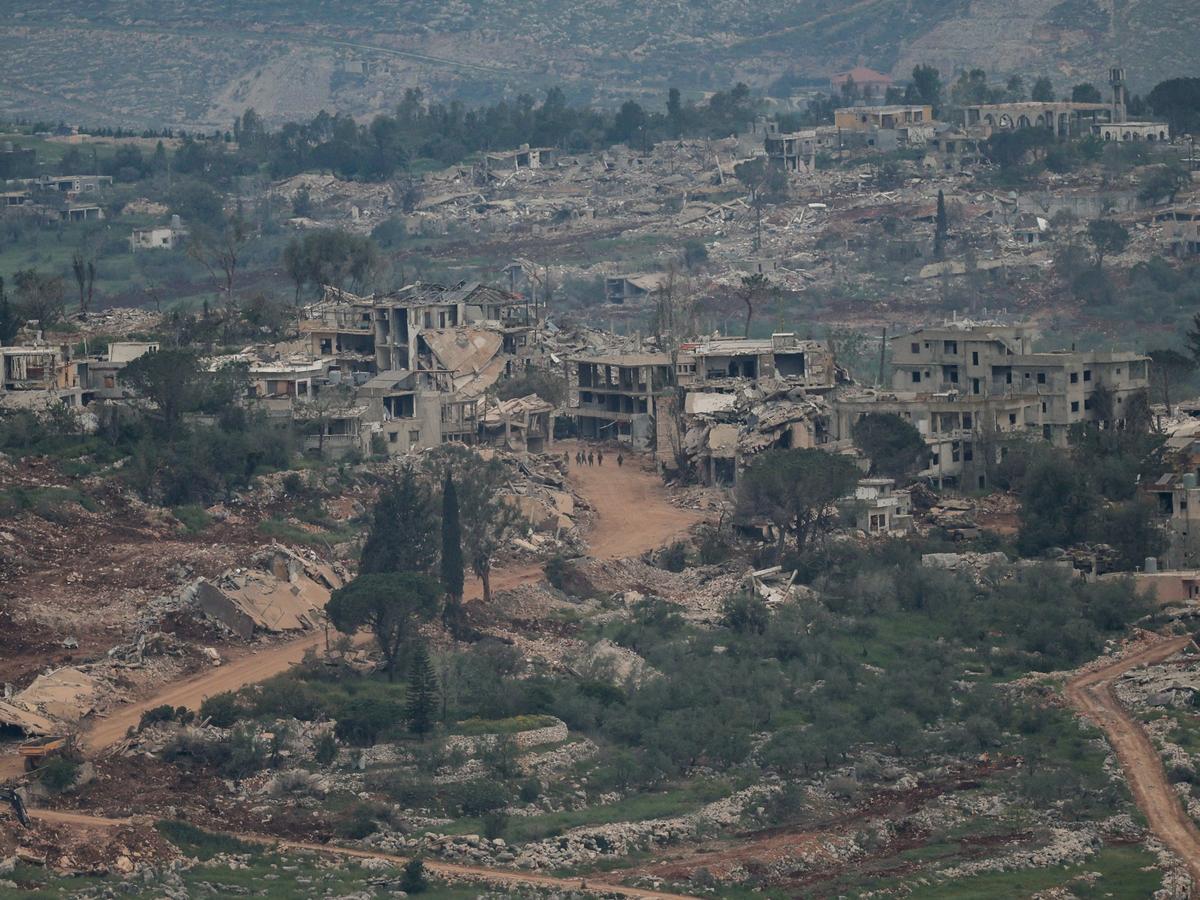
- •Over 1 million displaced Lebanese faced renewed evacuations amid ceasefire doubts
- •Russia warns US ultimatums hinder Iran negotiations
Pulse Analysis
The latest round of diplomatic activity suggests a tentative shift from pure confrontation to negotiated settlement. Iranian Foreign Minister Hossein Amir‑Abdollahian’s visit to Russia, followed by rapid consultations in Pakistan, Oman and Gulf capitals, signals Tehran’s push for a multilateral framework that includes the United States, Gulf states and possibly a revived nuclear dialogue. Analysts note that such a broad‑based approach could address the shortcomings of the 2015 JCPOA, which excluded key regional actors, and may pave the way for a durable de‑escalation if the United States eases its hard‑line stance.
At the same time, military and economic pressures are mounting. The United States has intensified its naval blockade, directing 38 commercial vessels to reverse course in the Strait of Hormuz, a chokepoint that handles roughly a third of global oil shipments. This action, coupled with Russian commentary that U.S. ultimatums are counterproductive, underscores the complex interplay of coercive tactics and diplomatic overtures. Iran’s reported underground missile and drone stockpiles, described as numbering in the tens of thousands, further complicate any rapid military solution, reinforcing the need for a negotiated path.
The humanitarian fallout in southern Lebanon adds another layer of urgency. More than one million people, many of whom had briefly returned home after a cease‑fire, are again fleeing as Israeli strikes continue and Hezbollah vows retaliation. The instability has already impacted markets, pushing Brent crude to $107.35 a barrel, a 47% surge since the war’s onset, and prompting Asian equities to trade higher despite the uncertainty. Together, these dynamics illustrate how diplomatic moves, military posturing, and civilian suffering are tightly interwoven, shaping both regional stability and global economic outlook.
Iran war live: Araghchi to meet Putin; Trump says Tehran can call for talks
Comments
Want to join the conversation?
Loading comments...