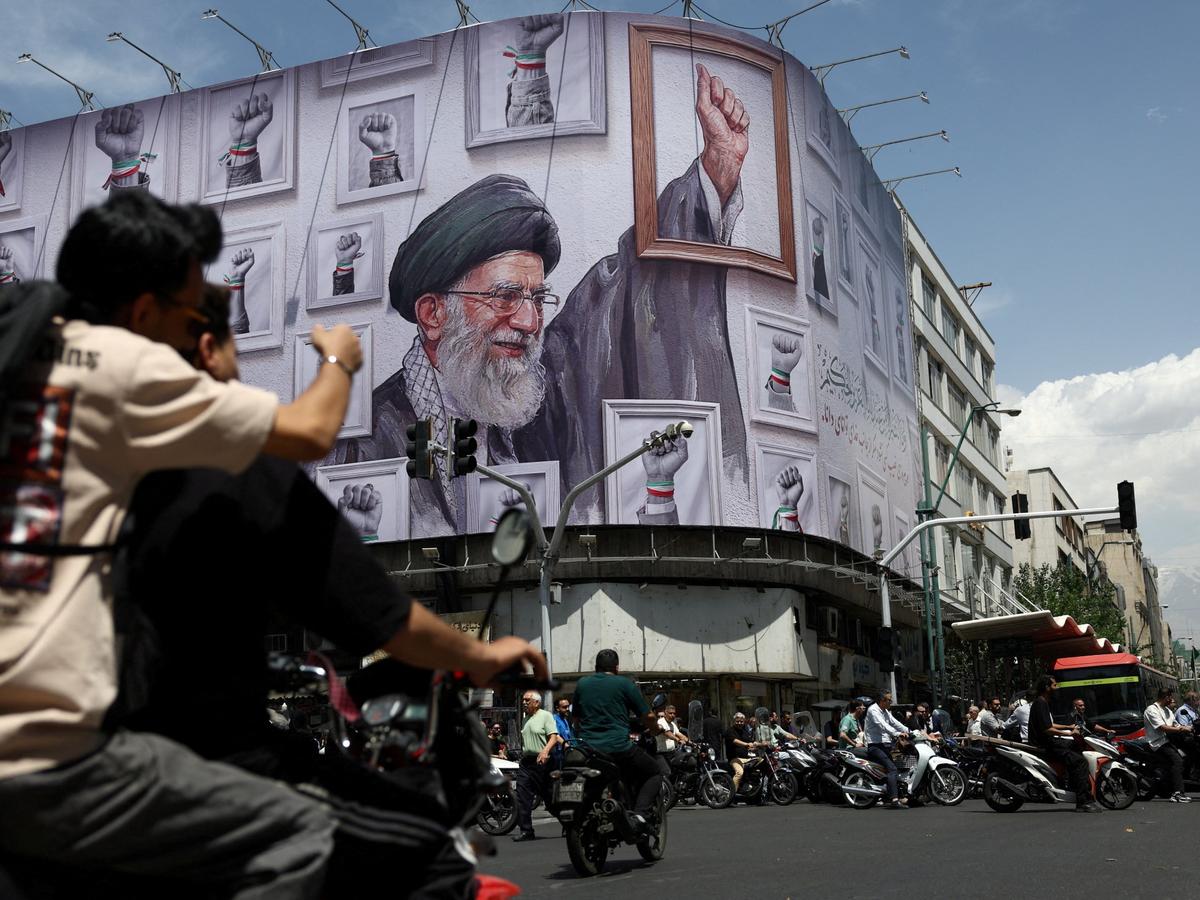
Iran War Live: US Expects Tehran’s Reply to Peace Deal; ‘Clashes’ in Hormuz
Why It Matters
Escalating US‑Iran hostilities threaten global oil supplies and lift commodity prices, amplifying inflationary pressure worldwide. The diplomatic fallout could destabilize shipping lanes and exacerbate food‑security risks in vulnerable markets.
Key Takeaways
- •US strikes disabled two Iranian oil tankers in Hormuz
- •Iran’s UN envoy called US actions “unlawful” and escalatory
- •FAO reports food-price index at three‑year high due to war
- •Oil spill near Kharg Island covers ~71 sq km, origins unclear
Pulse Analysis
The latest naval confrontations in the Strait of Hormuz underscore how quickly the US‑Iran standoff can spill over into critical energy corridors. By disabling two Iranian‑flagged tankers, Washington aims to pressure Tehran’s oil exports, yet the moves risk provoking broader retaliation that could choke a chokepoint responsible for roughly a fifth of global oil transit. Market analysts are already pricing in higher freight rates and a modest uptick in Brent crude, reflecting the premium investors assign to geopolitical risk.
Beyond energy, the conflict is reverberating through global food markets. The UN Food and Agriculture Organization’s food‑price index rose 2 % in April, reaching a three‑year peak as oil‑driven fertilizer costs climb and seed‑oil supplies tighten. Wheat producers, already squeezed by higher input prices, may shift to less fertilizer‑intensive crops, tightening global grain supplies and feeding inflationary cycles in both developed and emerging economies. Policymakers in Europe and the United States are watching these trends closely, as food‑price spikes can trigger social unrest.
Diplomatically, Iran’s appeal to the UN Security Council marks a rare attempt to internationalize the dispute, framing US actions as violations of international law. While Washington has declined to comment on the recent oil spill near Kharg Island, the environmental fallout adds another layer of complexity, potentially inviting scrutiny from environmental NGOs and complicating any future negotiations. The convergence of military, economic, and ecological pressures suggests that a durable resolution will require multilateral engagement, not unilateral force, to restore stability to the Gulf and protect global supply chains.
Iran war live: US expects Tehran’s reply to peace deal; ‘clashes’ in Hormuz
Comments
Want to join the conversation?
Loading comments...