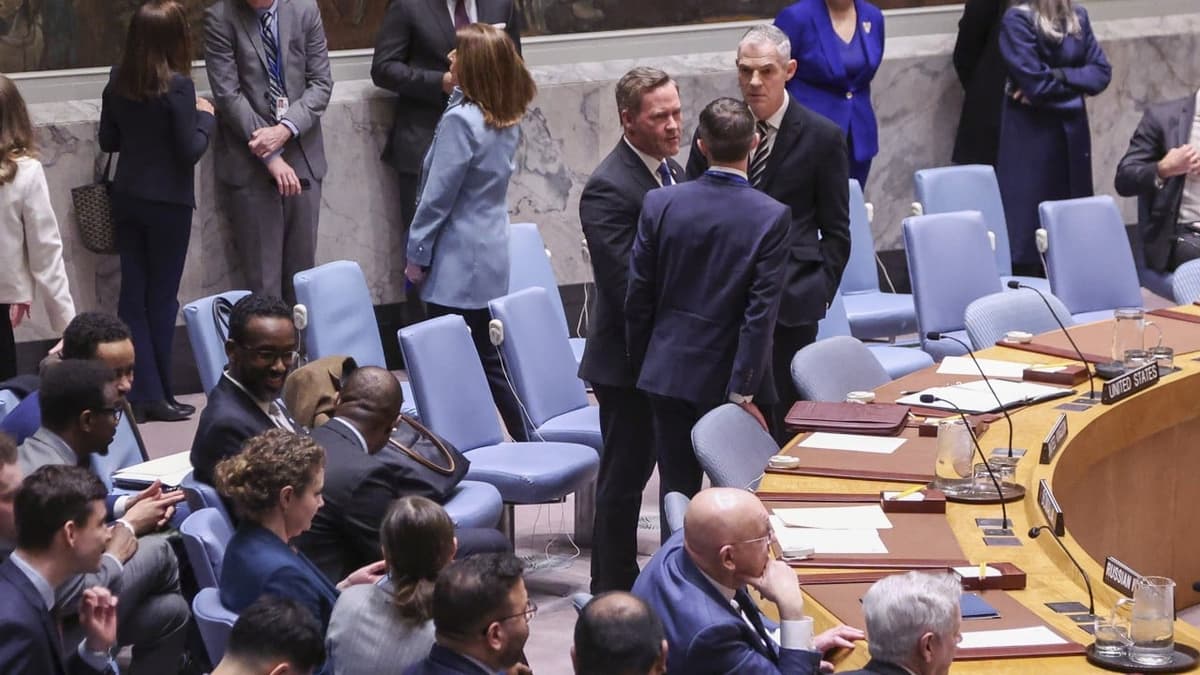
Iran War: Russia and China Veto UN Resolution to Reopen Strait of Hormuz
Why It Matters
The veto undermines collective security mechanisms and prolongs a critical oil chokepoint, heightening geopolitical and economic risks for global markets.
Key Takeaways
- •Russia, China vetoed Bahrain‑sponsored UN resolution.
- •Vote tally: 11‑2; Pakistan, Colombia abstained.
- •Strait of Hormuz transports ~20% of world oil.
- •Draft weakened to remove “all necessary means” language.
- •Veto risks higher energy prices and regional instability.
Pulse Analysis
The Strait of Hormuz, a narrow maritime corridor linking the Persian Gulf with the Gulf of Oman, handles roughly one‑fifth of daily global oil shipments. Since Iran’s recent blockade, commercial traffic has been sporadic, pushing Brent crude above $100 per barrel and prompting governments to seek multilateral pressure. Bahrain, leveraging its rotating presidency of the UN Security Council, introduced a resolution that would have authorized “all necessary means” to guarantee free navigation. The proposal reflected growing frustration among Gulf states that the waterway’s closure threatens not only energy supplies but also food security for the wider world.
The draft quickly ran into a diplomatic roadblock when Russia and China, both permanent Security Council members, signaled they would not tolerate language that implied offensive military action. After a series of compromises—first stripping the resolution of “all necessary means,” then removing any reference to UN‑mandated force—the text was reduced to defensive escort measures. Yet even the softened version triggered a veto, with the final vote 11‑2 and Pakistan and Colombia abstaining. The United States, still backing the original wording, condemned the veto as an abandonment of collective security, while President Trump warned Iran of catastrophic consequences.
The veto leaves the Strait of Hormuz effectively hostage to Iran’s strategic calculus, prolonging supply disruptions and keeping oil markets volatile. Analysts warn that without a UN‑backed enforcement mechanism, regional navies may resort to ad‑hoc coalitions, raising the risk of accidental escalation. In the meantime, investors watch price spreads and hedge positions, while diplomatic channels continue to press Tehran for a negotiated opening. The episode underscores how great‑power rivalries can paralyze multilateral responses to critical energy chokepoints.
Iran war: Russia and China veto UN resolution to reopen Strait of Hormuz
Comments
Want to join the conversation?
Loading comments...