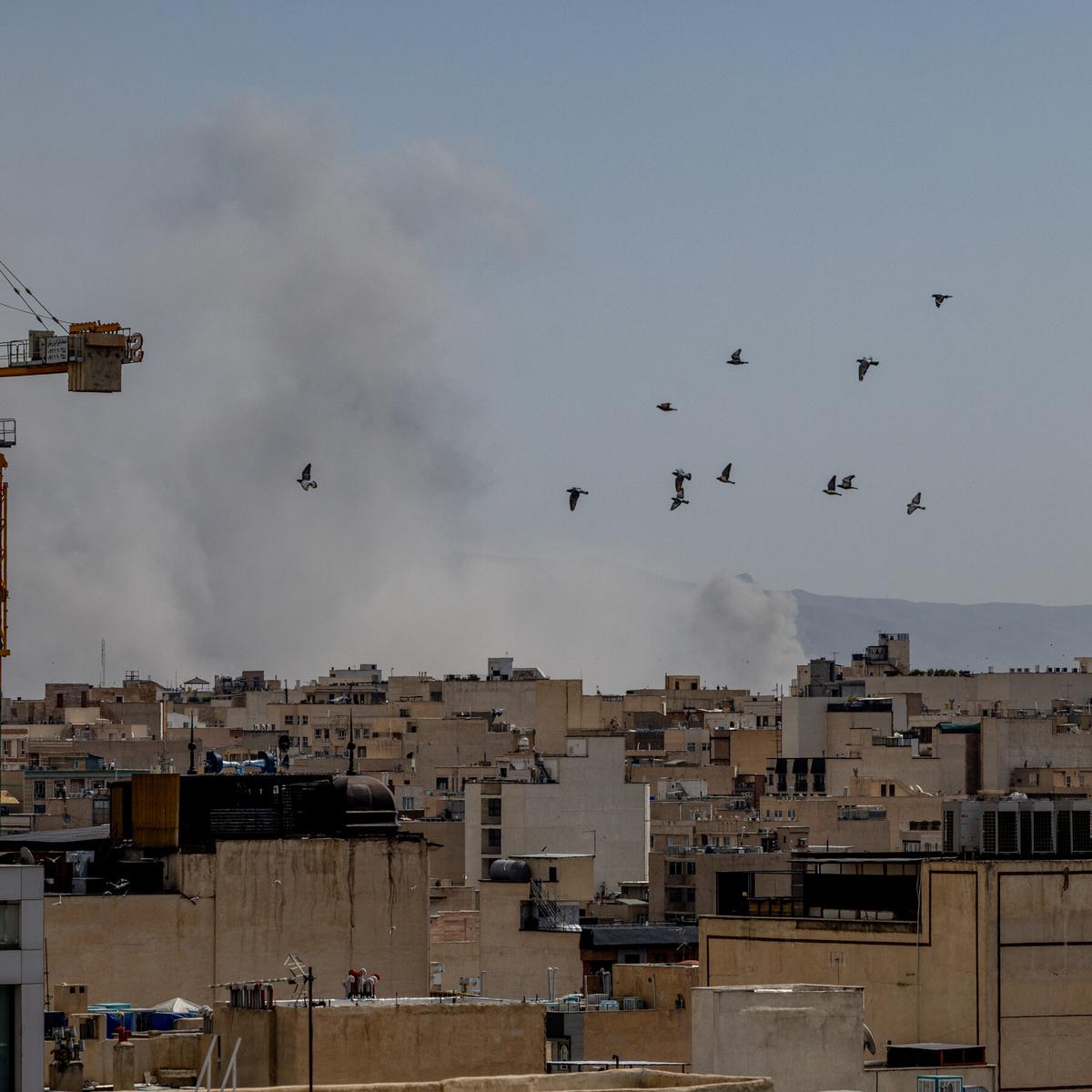
Iran War Timeline: Key Moments and Attacks In U.S. and Israel’s Campaign
Why It Matters
The war reshaped Middle‑East power dynamics, triggered massive humanitarian loss, and rattled global markets, especially energy prices, underscoring the risks of direct U.S. involvement in Iranian conflicts.
Key Takeaways
- •War began Feb 28 with US‑Israeli strikes on Iran.
- •Supreme Leader Khamenei killed, triggering regional escalation.
- •Mistargeted school strike killed at least 175 children.
- •Iran launched missiles and drones at Israel, US bases.
- •First US combat deaths: six soldiers in Kuwait.
Pulse Analysis
The February 28 strikes marked a dramatic escalation of President Trump’s strategy to pressure Tehran by leveraging Israel as a proxy. By targeting high‑level government and military infrastructure, the United States aimed to destabilize the theocratic regime, yet the mis‑targeted school attack exposed the perils of rapid, high‑intensity operations. Analysts note that this approach diverged from traditional deterrence, opting instead for a kinetic shock that quickly broadened into a regional confrontation, drawing in neighboring states and complicating U.S. command‑and‑control structures.
Humanitarian fallout has been severe. Independent estimates suggest thousands of deaths, with the school tragedy alone accounting for over 175 child casualties. Displacement figures run into the hundreds of thousands as families flee conflict zones in Iran and Lebanon. The war’s shockwaves rippled through global markets; oil prices spiked by roughly 12% within days, prompting volatility in equities and prompting central banks to reassess inflation outlooks. Supply‑chain disruptions in the Gulf further strained energy‑dependent economies, highlighting how localized conflicts can trigger worldwide economic reverberations.
Looking ahead, the cease‑fire offers a fragile pause but leaves unresolved strategic questions. Iran’s missile and drone capabilities have demonstrated a growing asymmetrical threat to U.S. assets abroad, prompting calls for bolstered regional defenses and diplomatic outreach. For Washington, the episode may trigger a reevaluation of direct military engagement policies, especially given domestic political costs and the international backlash over civilian casualties. Meanwhile, Israel’s role as a frontline partner will likely be scrutinized in future arms‑control dialogues, shaping the next chapter of Middle‑East security architecture.
Iran War Timeline: Key Moments and Attacks In U.S. and Israel’s Campaign
Comments
Want to join the conversation?
Loading comments...