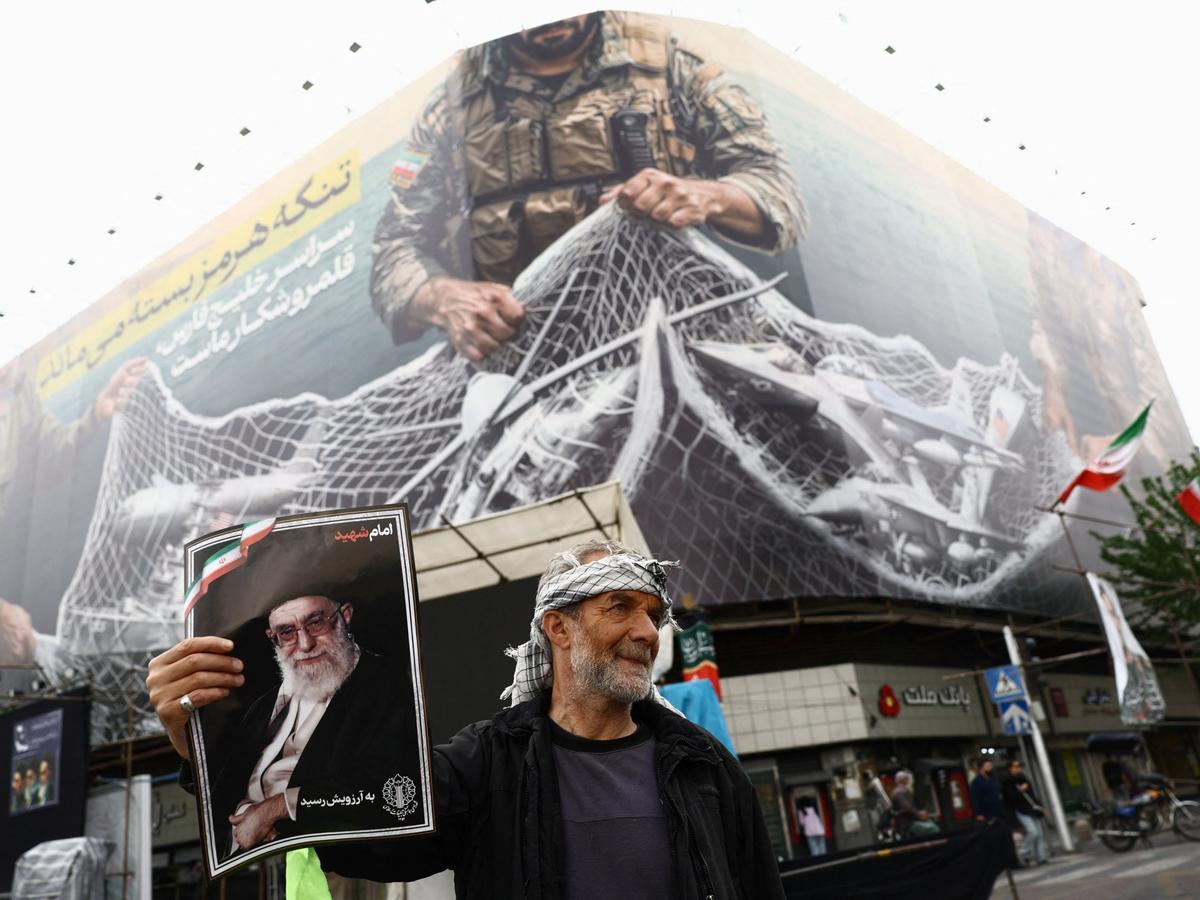
Iran War: What’s Happening on Day 63 as Trump Signals Possible Attacks
Why It Matters
The escalation threatens global energy stability and could force a costly U.S. military redeployment, while prolonged sanctions risk deeper economic disruption across the Middle East.
Key Takeaways
- •Iran activates air defenses over Tehran against drones
- •Trump hints at restarting Iran war despite ceasefire
- •UAE bans travel to Iran, Lebanon, Iraq amid tensions
- •US declares hostilities with Iran ended after two‑week ceasefire
- •Defense Secretary pledges resources to limit civilian casualties
Pulse Analysis
The latest flare‑up in the Iran‑U.S. standoff underscores how quickly diplomatic deadlocks can translate into kinetic posturing. Tehran’s activation of air defenses around the capital signals a readiness to counter any low‑altitude incursions, a move mirrored by U.S. rhetoric that the conflict could reignite at any moment. While retired General Mark Kimmitt warns that military pressure alone won’t force Tehran to negotiate, the United States is simultaneously leveraging diplomatic channels, urging Lebanon and Israel to meet and considering troop reductions in Europe to appease allies opposed to the war. This blend of hard and soft power illustrates the complex calculus Washington faces in a theater where every move is scrutinized by regional actors.
The economic ripple effects are already evident. Brent crude surged past $126 per barrel and WTI topped $110, levels not seen in four years, as markets price in the risk of supply disruptions through the Strait of Hormuz. Even though Iran has stockpiled oil at sea and built a resilient domestic market, prolonged sanctions could erode its revenue base, prompting Tehran to seek alternative financing mechanisms. For global investors, the heightened volatility reinforces the need for diversified energy exposure and close monitoring of any policy shifts that could either de‑escalate or intensify the conflict.
For U.S. policymakers, the situation presents a stark choice between maintaining a costly overseas posture and risking a broader regional conflagration. President Trump’s suggestion of pulling troops from Italy and Spain reflects domestic political pressures, yet the Pentagon’s claim of “every resource necessary” to limit civilian harm indicates an ongoing commitment to operational readiness. As hostilities are officially declared terminated, the window for diplomatic resolution narrows, and any misstep could reignite combat, driving up defense spending and further destabilizing an already volatile Middle East.
Iran war: What’s happening on day 63 as Trump signals possible attacks
Comments
Want to join the conversation?
Loading comments...