Why It Matters
The move deepens Iran’s military integration with the SCO, reshaping regional security dynamics and challenging U.S. influence in Eurasia.
Key Takeaways
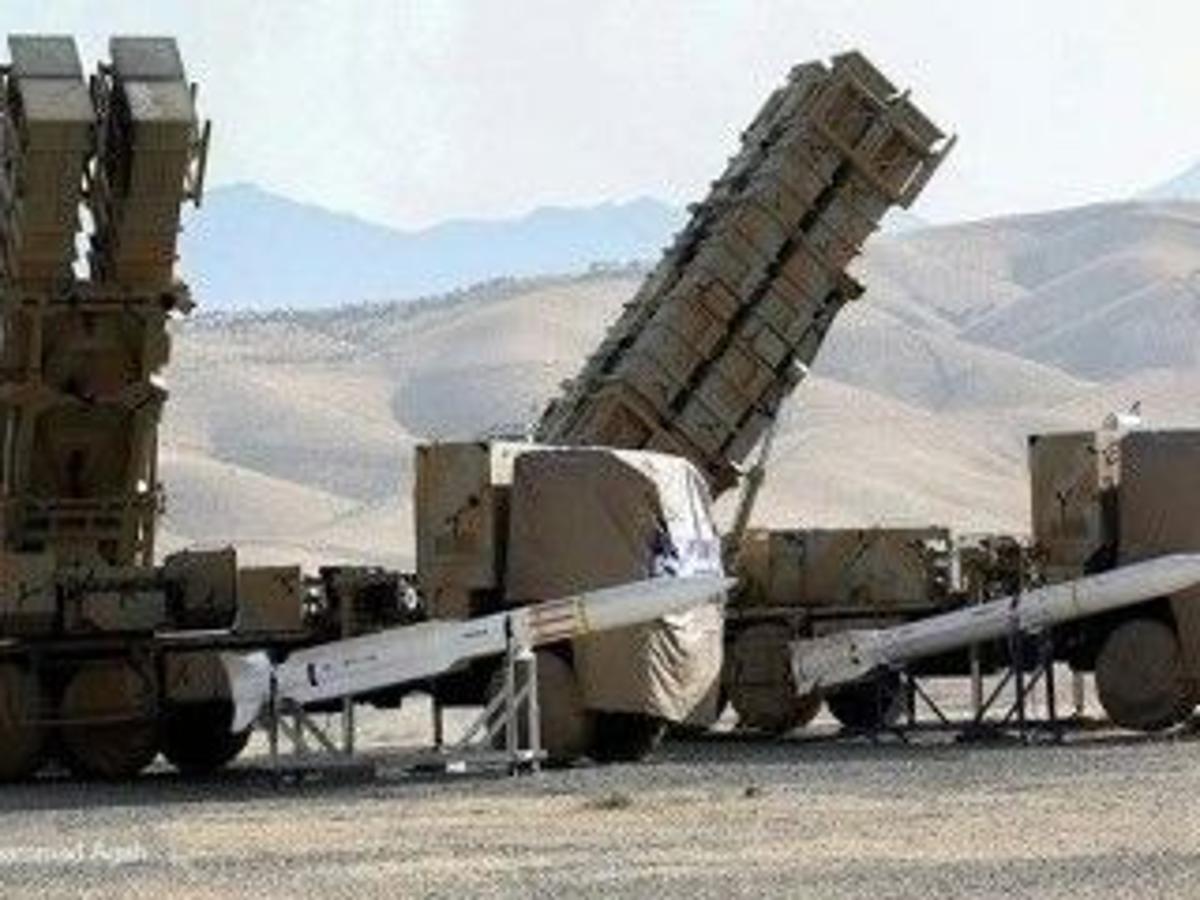
- •Iran offers defensive weapons to SCO members, signaling deeper military ties
- •Deputy Defence Minister Reza Talei‑Nik announced the offer in Bishkek
- •SCO now includes China, Russia, India, Pakistan, Iran, Belarus, expanding anti‑US bloc
- •SCO Development Bank aims to reduce members’ dependence on the US dollar
- •China will build an AI‑cooperation centre for SCO member states
Pulse Analysis
Iran’s overture to share defensive systems marks a strategic pivot toward the Shanghai Cooperation Organisation, a bloc that has steadily broadened its membership since its 2001 inception. By aligning with the SCO, Tehran taps into a network that already coordinates on counter‑terrorism, separatism and extremism, while also providing a platform to showcase its own military capabilities. The announcement in Bishkek underscores a growing comfort among SCO members to collaborate on conventional defence, a development that could recalibrate power balances across Central and South Asia.
For Washington, the prospect of Iran supplying weaponry to SCO partners raises several concerns. First, it could accelerate the diffusion of Iranian‑origin arms into regions where U.S. influence is already contested, complicating diplomatic efforts to contain Tehran’s regional activities. Second, the SCO’s collective stance against U.S. hegemony, reinforced by initiatives like the SCO Development Bank, signals a coordinated push to diminish dollar‑based financial dependencies. This financial realignment, coupled with shared military assets, may embolden member states to adopt policies less aligned with Western security frameworks, prompting a reassessment of U.S. engagement strategies in the region.
Beyond the immediate security implications, the SCO’s broader agenda reflects an ambition to build an alternative multilateral architecture. The planned AI‑cooperation centre, spearheaded by China, aims to foster joint research and development, potentially giving member states access to advanced technologies without Western oversight. Meanwhile, the development bank seeks to fund infrastructure projects and defence procurement in local currencies, further eroding reliance on the U.S. dollar. As Iran integrates more closely with this emerging ecosystem, analysts anticipate a gradual but steady shift toward a multipolar world order where Eurasian powers coordinate on both hard and soft dimensions of statecraft.
Iran willing to expand military cooperation
Comments
Want to join the conversation?
Loading comments...