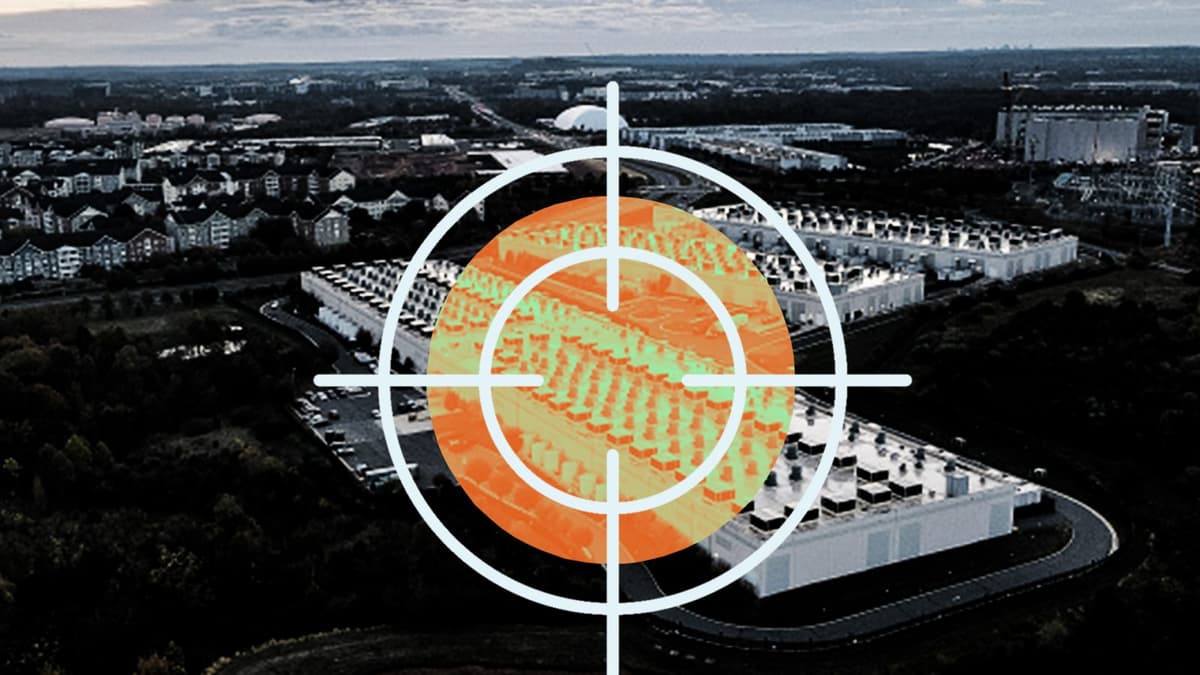
Iranian Drone Strikes at Amazon Sites Raise Alarms over Protecting Data Centers
•March 4, 2026
0
Key Takeaways
- •Iranian drones hit AWS sites in UAE and Bahrain
- •Physical attacks on cloud infrastructure now strategic threats
- •Companies will adopt multi‑AZ and underground facilities for resilience
- •Defense costs may rise, impacting cloud service pricing
- •Governments may regulate data‑center security as national security
Summary
Iranian drones struck Amazon Web Services facilities in the UAE and Bahrain, marking the first known kinetic attack on a U.S. hyperscaler’s infrastructure. The incidents disrupted regional services and highlighted data centers as emerging military targets amid rising AI‑driven strategic value. Experts warn that physical attacks on cloud infrastructure will become more frequent, prompting a shift toward hardened, multi‑location designs. Companies and governments are now forced to consider military‑grade protection for critical compute assets.
Pulse Analysis
The recent drone strikes on Amazon Web Services facilities in the United Arab Emirates and Bahrain mark the first known kinetic assault on a U.S. hyperscaler’s infrastructure. While cyber‑security has dominated cloud risk management for years, the attacks demonstrate that data centers are now viable military targets in geopolitical conflicts, especially as artificial‑intelligence workloads become strategic assets. Analysts warn that as AI deepens its role in finance, logistics, and defense, adversaries will increasingly view the physical hardware that powers these models as high‑value objectives.
In response, cloud providers are accelerating redundancy strategies such as multi‑availability‑zone deployments and geographic diversification. IDC predicts a surge in investment to replicate data across separate sites, while firms like Tencent and European operators are already leasing underground bunkers and former nuclear shelters to assure clients of physical resilience. These hardened environments reduce exposure to air‑burst threats but come with steep capital expenditures, which are likely to be reflected in higher service fees. The shift forces enterprises to balance the cost of added protection against the risk of service disruption.
Governments are likely to treat data‑center security as a component of national defense, prompting new regulations and public‑private partnerships. In the Gulf, trillions of dollars earmarked for AI infrastructure will now require demonstrable physical safeguards, while Western regulators may impose compliance standards similar to those governing critical utilities. As AI workloads grow, the line between commercial cloud services and strategic assets blurs, compelling providers to adopt military‑grade defenses or risk losing high‑value customers. The industry’s ability to integrate robust physical security will shape the future competitiveness of global cloud markets.
Comments
Want to join the conversation?