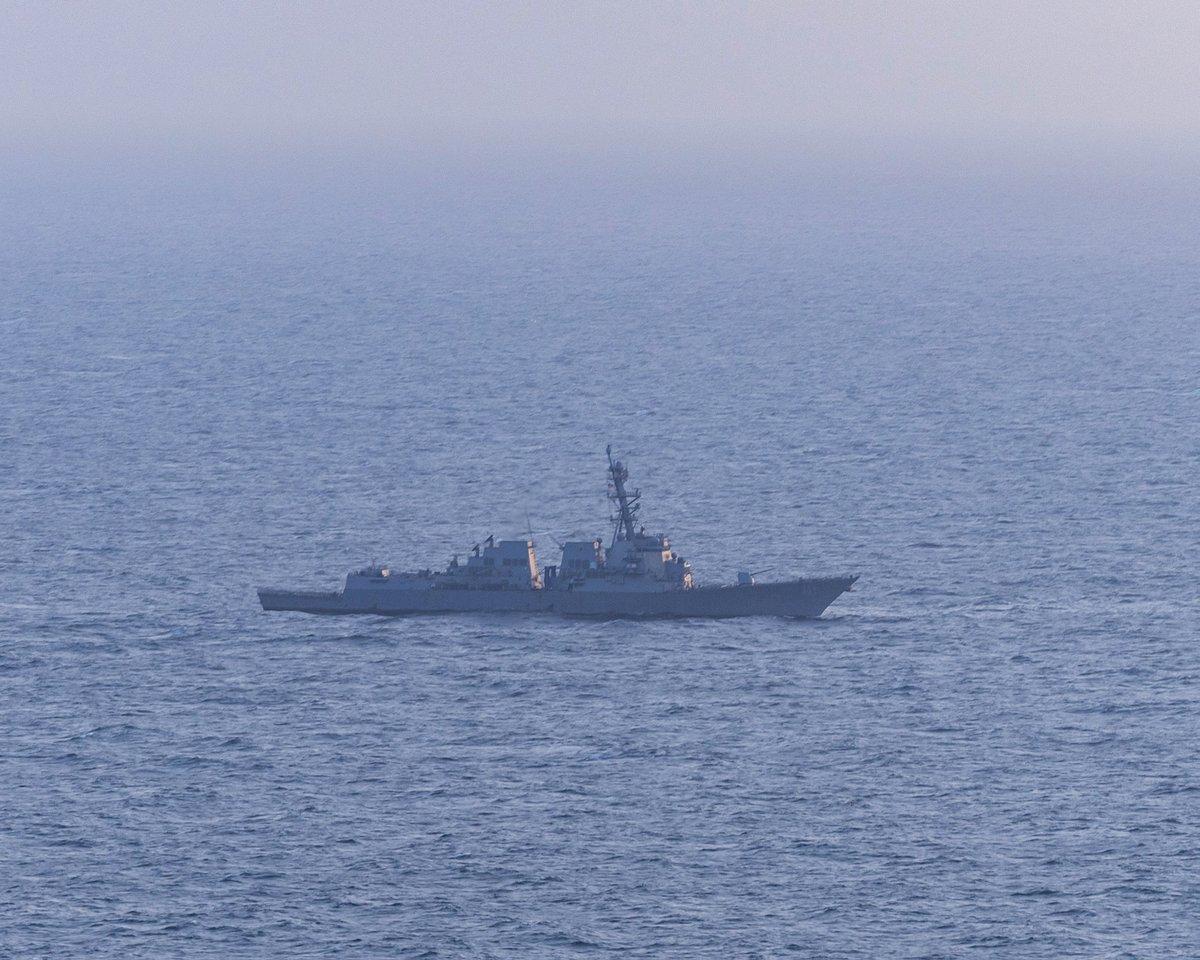
Iranian-Flagged Vessel Tries to Evade US Navy Blockade in Strait of Hormuz
Why It Matters
The blockade signals a dramatic escalation in U.S.-Iran tensions, aiming to choke Iran’s maritime trade and pressure its leadership. Its success—or failure—will shape regional security dynamics and global oil flow through the strategic Hormuz corridor.
Key Takeaways
- •USS Spruance intercepted Iranian vessel attempting blockade breach
- •Ten ships turned back; none have penetrated U.S. cordon
- •Operation Epic Fury deploys >10,000 troops, 12 warships, aircraft
- •Blockade began April 13, halting all sea trade to Iran
- •Enforcement targets Iran’s access to the Strait of Hormuz
Pulse Analysis
The United States has launched Operation Epic Fury, a massive maritime enforcement effort that now fields over 10,000 sailors, marines, and airmen, supported by more than a dozen warships and a fleet of aircraft. Initiated on April 13, the operation imposes a comprehensive blockade on all vessels entering or exiting Iranian ports, effectively sealing off the country’s sea lanes. By expanding patrols in the Strait of Hormuz, the Arabian Gulf, and the Gulf of Oman, the U.S. aims to exert maximum pressure on Tehran amid a rapidly deteriorating regional standoff.
The Strait of Hormuz remains one of the world’s most critical chokepoints, funneling roughly 20% of global oil consumption daily. Intercepting an Iranian‑flagged vessel, as the USS Spruance did, underscores the blockade’s operational reach and its potential to disrupt Iran’s ability to export oil and import essential goods. So far, CENTCOM reports ten ships have been turned around with zero successful breaches, suggesting the cordon is holding. This enforcement not only curtails Iran’s economic lifelines but also sends a clear signal to other regional actors about the U.S. willingness to use naval power to enforce policy objectives.
Looking ahead, the blockade raises complex questions under international law and could provoke retaliatory actions from Iran or its allies. Persistent enforcement may drive Tehran to seek alternative routes, such as overland corridors or illicit smuggling networks, while also prompting diplomatic pushes for a negotiated resolution. Stakeholders in the energy market, shipping industry, and geopolitical risk analysis will be watching closely as the U.S. balances deterrence with the risk of further escalation in a volatile region.
Iranian-flagged vessel tries to evade US Navy blockade in Strait of Hormuz
Comments
Want to join the conversation?
Loading comments...