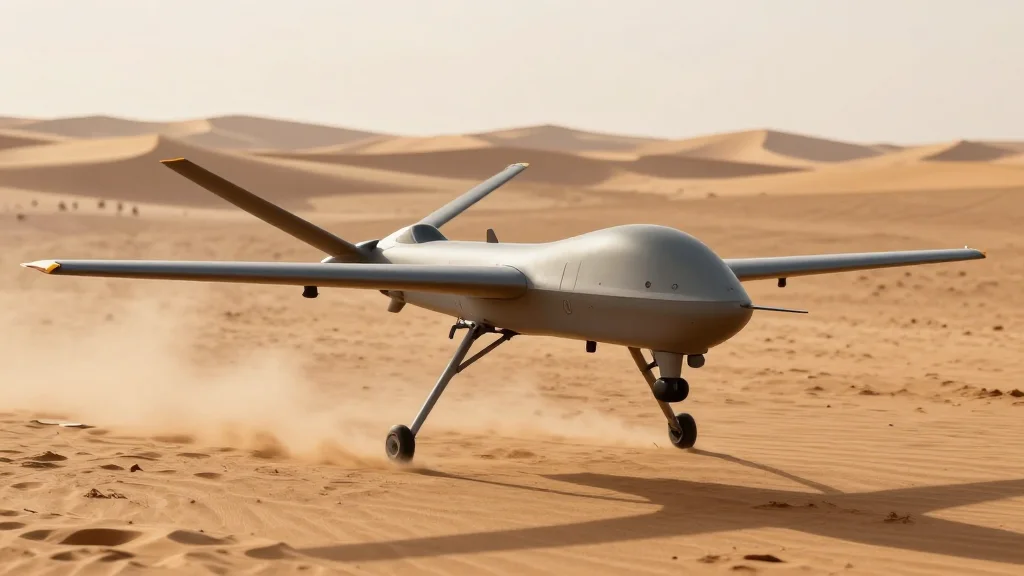
Iranian Mohajer-6 Drones Fuel Sudan Civil War, U.S. Busts $70 Million Arms Deal

Why It Matters
The infiltration of Iranian Mohajer‑6 drones into Sudan illustrates how advanced weaponry can quickly migrate from state‑level conflicts to proxy wars, amplifying civilian harm and complicating peace efforts. By exposing a $70 million procurement network, U.S. law‑enforcement agencies have highlighted the vulnerability of global supply chains to covert Iranian arms sales, prompting calls for tighter export controls and multilateral monitoring. If unchecked, the diffusion of such drones could embolden other non‑state actors across the Horn of Africa and the Sahel, destabilizing already fragile security environments. The episode also underscores the strategic calculus of Iran, which leverages drone sales to expand influence, secure allies and generate revenue despite sanctions, thereby reshaping the calculus of regional power balances.
Key Takeaways
- •Iran has supplied Mohajer‑6 drones to Sudan’s armed forces since 2013, according to FDD analyst Mariam Wahba.
- •U.S. authorities arrested Shamim Mafi at LAX for allegedly brokering a $70 million sale of drones and ammunition to Sudan’s Ministry of Defense.
- •At least seven cargo flights between Iran and Sudan occurred from Dec 2023 to July 2024, likely moving drone components.
- •The drones have been used to strike hospitals, schools and civilian neighborhoods, contributing to an estimated 400,000 deaths.
- •State Department officials warned of the broader proliferation risk, noting similar drone use by Hezbollah and the Houthis.
Pulse Analysis
Iran’s drone export strategy has evolved from a regional deterrent to a revenue‑generating, influence‑building tool. The Mohajer‑6, originally marketed as a low‑cost surveillance platform, has been repurposed for precision strikes, allowing Tehran to punch above its weight in distant conflicts. By embedding these systems in Sudan’s civil war, Iran not only gains a foothold in a geopolitically critical corridor linking the Red Sea to the Sahel, but also tests the operational resilience of its unmanned assets against varied terrain and adversary tactics.
The U.S. bust of a $70 million deal signals a shift from reactive interdiction to proactive disruption of Iran’s illicit supply chains. However, the reliance on diaspora intermediaries and commercial cargo routes suggests that enforcement alone may be insufficient. A coordinated approach—combining sanctions, intelligence sharing with regional partners, and capacity‑building for Sudanese civil‑society monitoring—will be essential to stem the flow of drones. Failure to contain this trend could normalize drone warfare in low‑intensity conflicts, eroding the threshold for civilian casualties and complicating diplomatic resolutions.
Historically, proxy conflicts have been fueled by external arms transfers, but the digital age accelerates procurement cycles and obscures provenance. The Sudan case may become a template for how Iran leverages its drone industry to sustain influence across multiple theaters, from the Middle East to Africa. Policymakers must therefore reassess existing export‑control regimes, ensuring they address not just finished systems but also critical components and software that enable rapid fielding of unmanned strike capabilities.
Iranian Mohajer-6 Drones Fuel Sudan Civil War, U.S. Busts $70 Million Arms Deal
Comments
Want to join the conversation?
Loading comments...