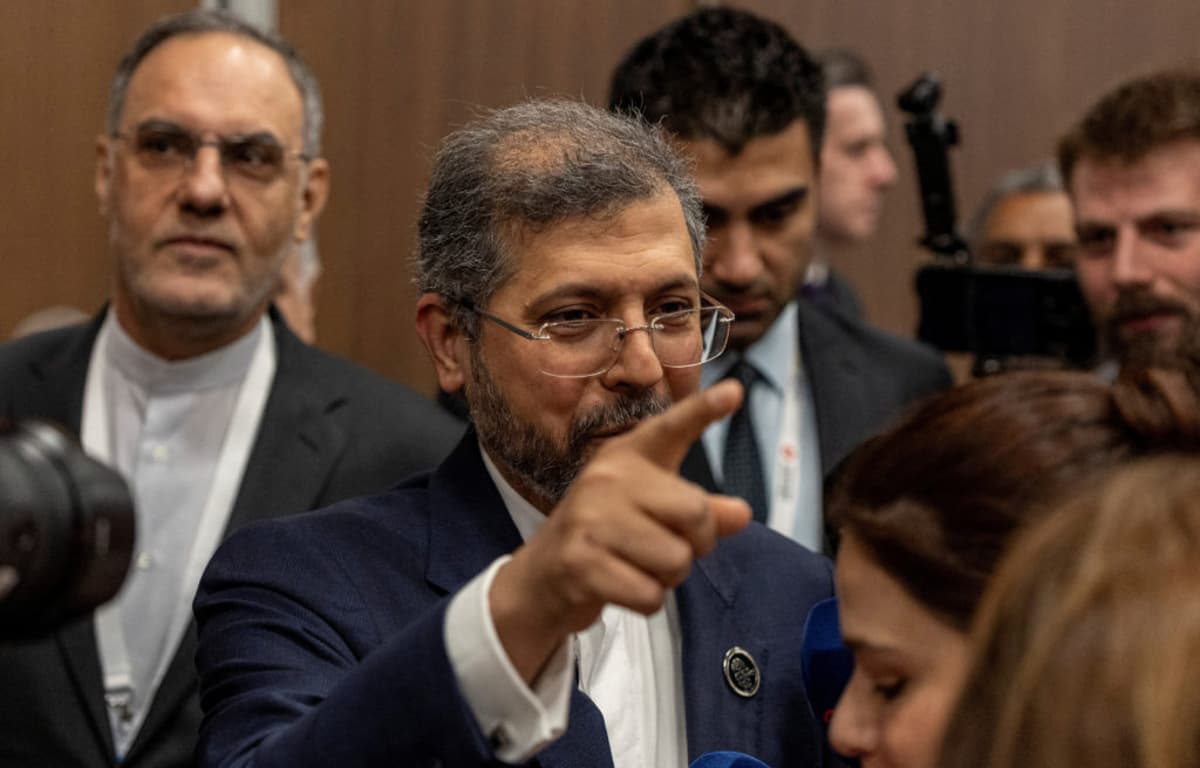
Iranian Official Says Excessive Demands Made by U.S. Are Barrier to In-Person Talks
Why It Matters
The impasse stalls a potential nuclear framework that could stabilize Middle‑East security and reopen a critical oil shipping lane, affecting global energy markets and U.S. diplomatic leverage.
Key Takeaways
- •Iran refuses to ship enriched uranium to the United States
- •U.S. demands labeled 'maximalist' stall progress on face‑to‑face talks
- •Iran seeks framework agreement before any in‑person meeting
- •Sanctions and economic pressure cited as core Iranian grievances
- •Strait of Hormuz reopening tied to ceasefire compliance
Pulse Analysis
The latest remarks from Iran’s deputy foreign minister underscore a deepening diplomatic rift over the nuclear issue. President Donald Trump’s insistence on retrieving roughly 970 pounds (440 kilograms) of enriched uranium—an amount that could fuel a weapons program—has been met with Tehran’s categorical refusal. By labeling U.S. conditions as "maximalist," Iran signals that any face‑to‑face dialogue hinges on a broader framework that addresses not only nuclear material but also the sweeping sanctions that have crippled its economy.
Beyond the nuclear stalemate, the dispute reverberates across the region. Iran’s demand that a cease‑fire extend to Lebanon, where Israel and Hezbollah continue hostilities, reflects its broader security concerns. The closure and subsequent reopening of the Strait of Hormuz—through which about 20% of global oil passes—illustrates how diplomatic deadlock can quickly translate into economic pressure. Both sides have used the strait as leverage: the U.S. threatens a blockade, while Iran ties its reopening to compliance with a cease‑fire protocol.
Looking ahead, the path to a face‑to‑face meeting will likely require concessions on both sides. For Washington, easing unilateral sanctions and clarifying its stance on enriched uranium could create a more conducive environment for talks. Tehran, meanwhile, must demonstrate willingness to engage on a realistic nuclear framework without compromising its sovereignty. Analysts warn that prolonged uncertainty may keep oil markets volatile and could prompt allied nations to reassess their strategic postures in the Middle East. A breakthrough would not only defuse a flashpoint but also restore confidence in a critical maritime corridor.
Iranian official says excessive demands made by U.S. are barrier to in-person talks
Comments
Want to join the conversation?
Loading comments...