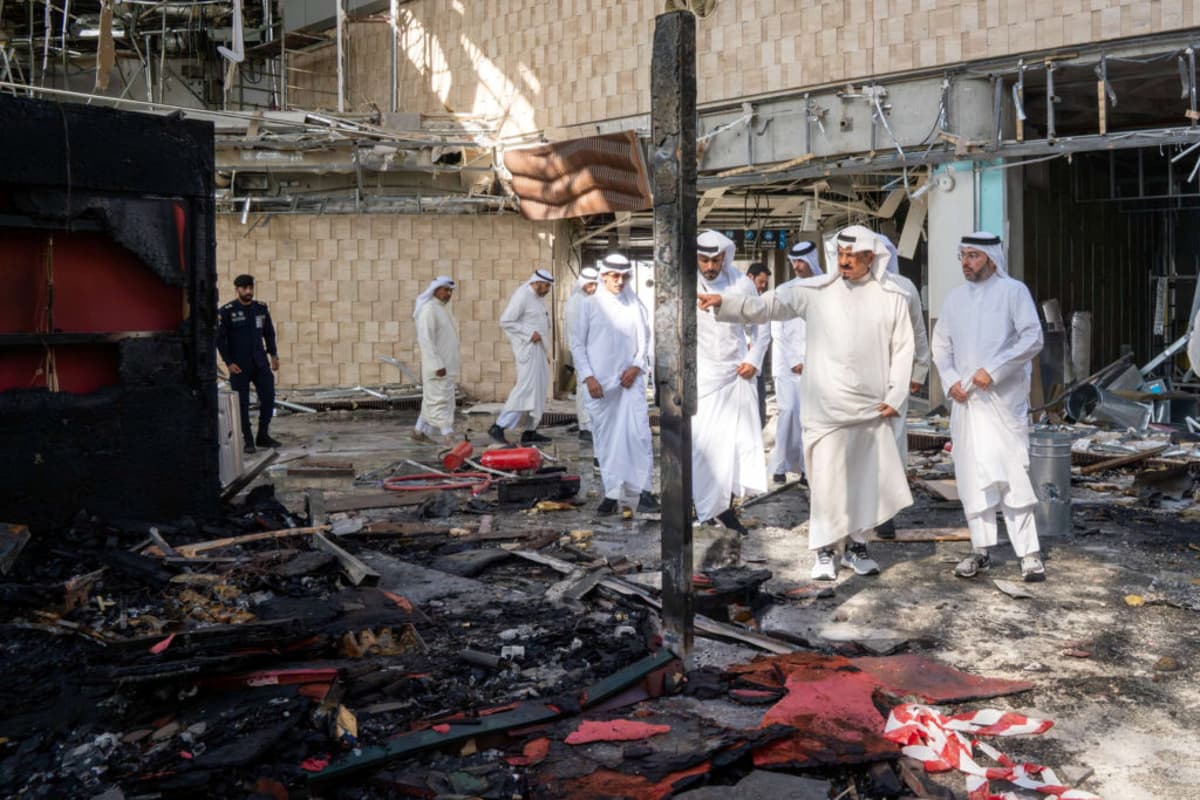
Iranian Strikes Set Kuwait's Largest Airport Ablaze Amid Fragile Ceasefire with the U.S.
Why It Matters
The escalation threatens the fragile U.S.-Iran cease‑fire and raises the risk of broader regional conflict, while congressional limits could constrain the administration’s response options.
Key Takeaways
- •Iranian drones hit Kuwait International Airport, killing one, injuring dozens
- •Missiles also targeted Bahrain and U.S. Fifth Fleet HQ, all intercepted
- •Cease‑fire technically holds, but daily strikes test its durability
- •House passed war‑powers resolution to curb further U.S. action on Iran
- •Trump‑Netanyahu tension over Lebanon adds complexity to U.S. Middle East strategy
Pulse Analysis
The recent Iranian drone strike on Kuwait International Airport underscores how quickly the U.S.-Iran cease‑fire, brokered after months of naval confrontations, can be tested. While the attack caused civilian casualties and temporarily shut the region’s busiest hub, U.S. and allied air defenses successfully intercepted missiles aimed at Bahrain and the Fifth Fleet’s headquarters. These incidents illustrate a pattern of calibrated escalation: Iran signals retaliation for U.S. enforcement actions, yet avoids a full‑scale exchange that could trigger broader war.
Congressional action adds another layer of uncertainty. The House’s war‑powers resolution, passed with bipartisan support, seeks to curb any further U.S. military strikes against Iran, effectively forcing the executive branch to pursue diplomatic avenues. Although the measure still faces Senate approval and a likely presidential veto, its passage signals growing war fatigue among lawmakers and could limit the administration’s strategic flexibility. This legislative push reflects a broader domestic debate over the cost of prolonged Middle‑East engagements and the appetite for a negotiated settlement.
Beyond the immediate tactical skirmishes, the episode highlights shifting dynamics among U.S. allies. Kuwait, Bahrain, and Saudi Arabia rely heavily on American security guarantees, and any perception of a weakening U.S. resolve could embolden Iranian proxies in the region. Simultaneously, friction between President Trump and Israeli Prime Minister Netanyahu over Lebanon operations reveals cracks in the traditional U.S.-Israel partnership, potentially complicating coordinated responses. As oil flows through the Strait of Hormuz remain critical—accounting for roughly a fifth of global supply—stakeholders watch closely for signs that diplomatic overtures can replace kinetic actions before the cease‑fire unravels.
Iranian strikes set Kuwait's largest airport ablaze amid fragile ceasefire with the U.S.
Comments
Want to join the conversation?
Loading comments...