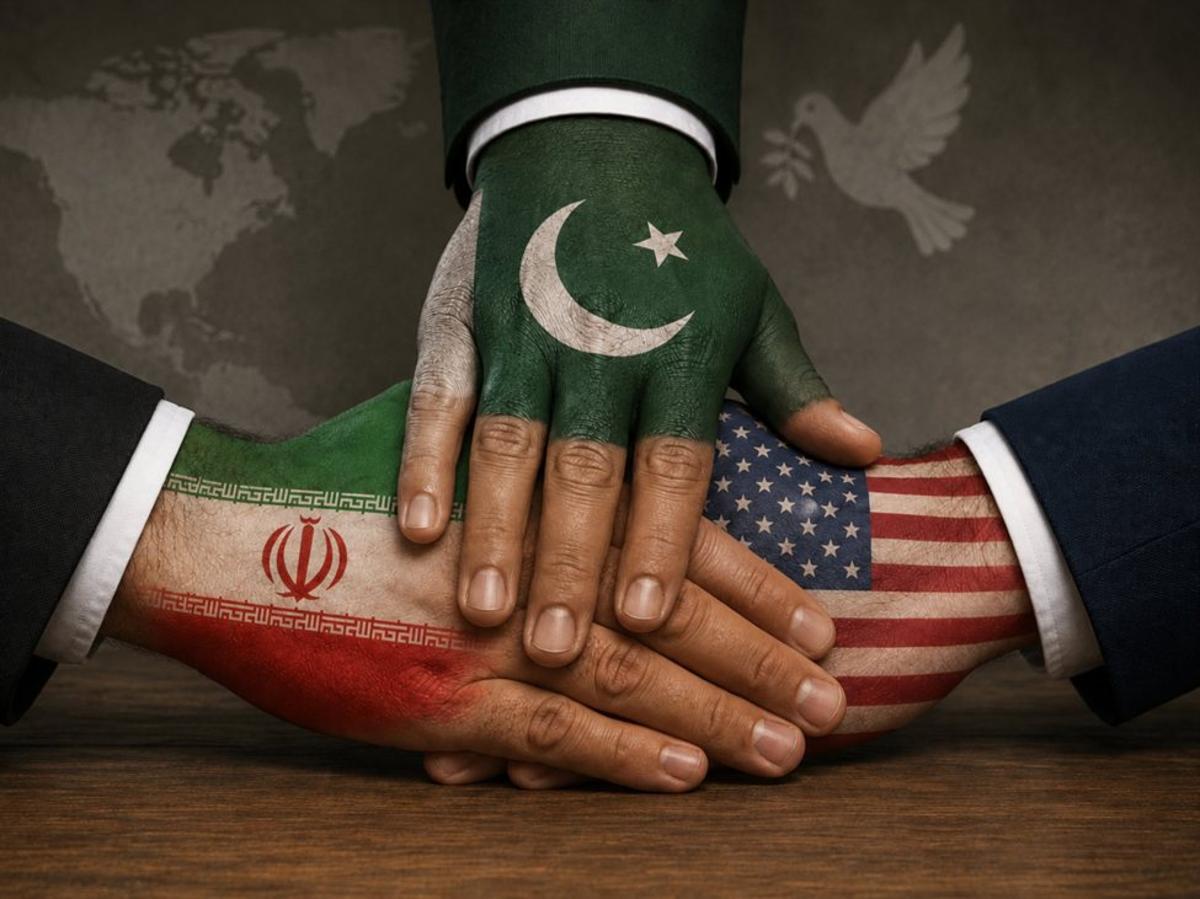
Iran's Baghaei: Tehran Needs to Re-Assess Talks with the US Following Overnight Clashes
Why It Matters
The escalation signals a possible postponement of a nuclear‑related agreement, raising the risk of prolonged instability in the Gulf and higher energy prices worldwide.
Key Takeaways
- •Iran urges reassessment of US talks after helicopter downing
- •US struck Iranian radar and defense sites in Gulf response
- •Tehran launched missiles and drones at US Gulf facilities
- •Ceasefire violations deepen mistrust, risking further negotiation delays
- •Stalemate may keep oil prices high, pressuring the Fed
Pulse Analysis
The latest round of hostilities between Washington and Tehran underscores how quickly tactical incidents can spill over into strategic diplomacy. The downing of a U.S. Apache helicopter near the Strait of Hormuz, a chokepoint that handles roughly a fifth of global oil shipments, gave the United States a pretext to target Iranian radar and air‑defense nodes. Iran’s swift missile and drone retaliation was framed as self‑defence, reinforcing Tehran’s narrative that the United States is the primary violator of the 2023 cease‑fire. This back‑and‑forth illustrates the fragile balance of power in the Gulf, where each side calibrates its response to avoid full‑scale war while still signaling resolve.
Beyond the immediate military exchange, the incident threatens to derail the indirect nuclear talks that have been inching forward despite deep‑seated mistrust. Negotiators have already grappled with contentious issues such as sanctions relief, frozen Iranian assets and the scope of nuclear restrictions. Baghaei’s call to "re‑assess" the diplomatic track suggests Tehran may demand stronger guarantees before re‑engaging, potentially lengthening the timeline for any deal. Prolonged deadlock could embolden hard‑liners in both capitals, reducing the political space for compromise and increasing the likelihood of further proxy confrontations across the region.
The economic ripple effects are equally significant. Persistent tension in the Strait of Hormuz typically lifts crude prices, which in turn pressures the Federal Reserve to consider tighter monetary policy to curb inflation. Higher energy costs also feed into corporate earnings and consumer spending, influencing stock market sentiment ahead of the U.S. mid‑term elections. Policymakers in Washington may therefore feel compelled to accelerate diplomatic overtures to stabilize markets, even as domestic political calculations weigh heavily on the timeline for any agreement.
Iran's Baghaei: Tehran needs to re-assess talks with the US following overnight clashes
Comments
Want to join the conversation?
Loading comments...