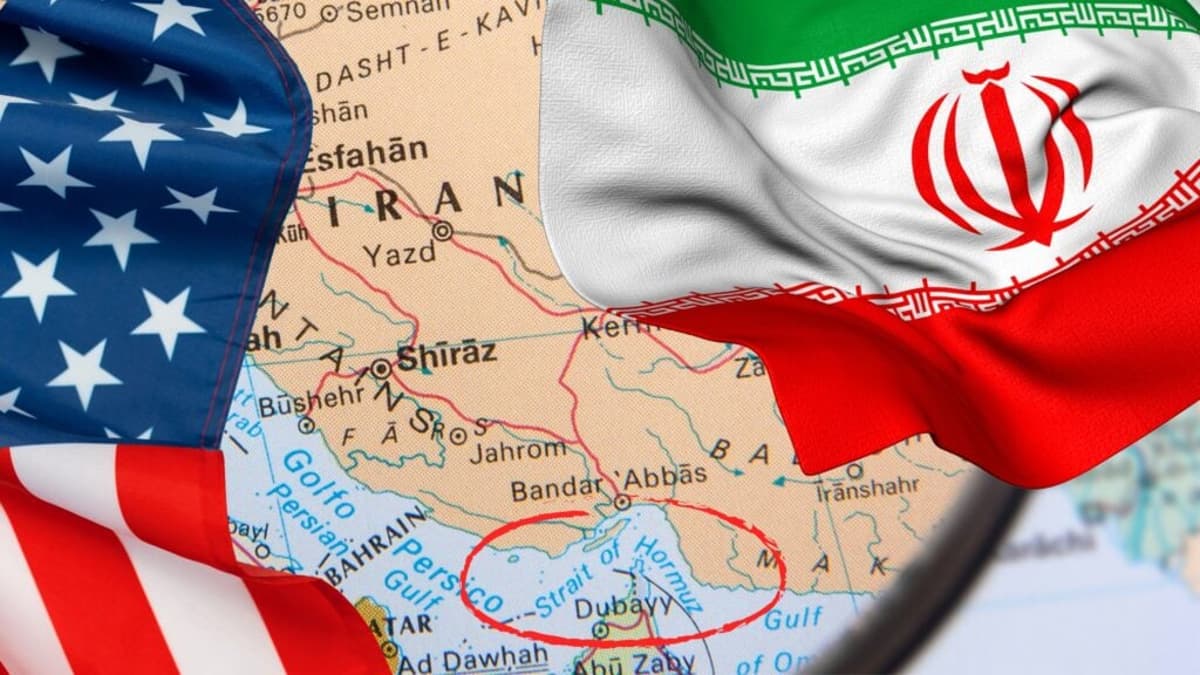
Iran's Deputy Foreign Minister Slams US For 'Maximalist' Demands
Why It Matters
The deadlock heightens geopolitical risk in a critical oil chokepoint, threatening global energy markets and delaying progress on Iran’s nuclear negotiations. It also signals a broader escalation in U.S.–Iran maritime confrontations that could impact regional stability.
Key Takeaways
- •Iran refuses face‑to‑face talks without a framework agreement
- •U.S. demands labeled 'maximalist' block progress
- •Strait of Hormuz rules tightened, raising oil‑supply risk
- •Trump vows naval blockade until Iran deal completed
- •Planet Labs pauses satellite imagery over Iran
Pulse Analysis
The diplomatic stalemate between Tehran and Washington reflects a deepening mistrust that could stall any revival of the 2015 nuclear accord. Deputy Foreign Minister Saeed Khatibzadeh’s insistence on a pre‑negotiation framework underscores Iran’s strategy to extract concessions on sanctions relief before resuming direct talks. By labeling U.S. conditions as "maximalist," Tehran aims to shift the narrative from nuclear compliance to economic sovereignty, a tactic that complicates the Biden administration’s diplomatic outreach and may force third‑party mediators to recalibrate their approach.
At the same time, Iran’s decision to reimpose tighter military oversight of the Strait of Hormuz has sent ripples through global oil markets. The narrow waterway handles roughly a fifth of worldwide petroleum shipments, and any perceived threat to its openness can trigger price volatility, as seen with WTI May futures slipping to $85.57 a barrel. The U.S. response—threatening a naval blockade and citing alleged Iranian mining activities—adds a layer of maritime security risk that insurers and shipping firms are already pricing in. Analysts warn that prolonged restrictions could force rerouting of tankers, inflating freight costs and tightening global supply.
Beyond immediate market effects, the escalation carries broader strategic implications for the Middle East. The suspension of Planet Labs’ satellite‑imagery services over Iran hampers real‑time monitoring of naval movements, reducing transparency for both commercial operators and intelligence agencies. Coupled with heightened rhetoric from U.S. political figures, the situation could embolden regional actors to adopt more aggressive postures, potentially drawing neighboring conflicts—such as the Israel‑Lebanon front—into a larger confrontation. Stakeholders are therefore watching diplomatic signals closely, as any breakthrough or further deterioration will shape energy pricing, security calculations, and the future of the nuclear dialogue for months to come.
Iran's Deputy Foreign Minister Slams US For 'Maximalist' Demands
Comments
Want to join the conversation?
Loading comments...