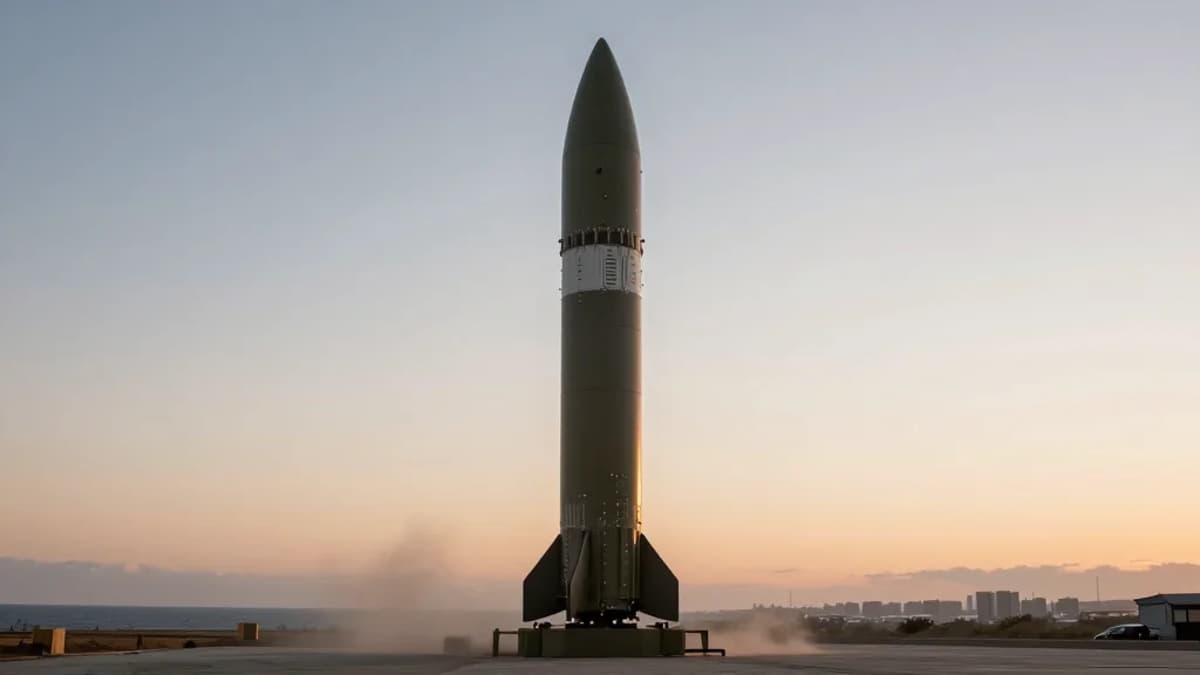
Iran's IRGC Commander Vows to only Use Missiles with Warheads Weighing at Least One Ton
•March 9, 2026
0
Why It Matters
Heavier warheads increase destructive potential, raising regional security risks and complicating defense planning for Israel and its allies. The announcement underscores Iran's intent to sustain and possibly expand its missile threat despite recent setbacks.
Key Takeaways
- •IRGC vows missiles >1‑ton warheads only
- •Missile launch frequency and intensity to increase
- •Iran retains diverse arsenal despite recent strikes
- •Cluster munitions used in recent attacks on Israel
- •IDF claims 75% of Iranian launchers destroyed
Pulse Analysis
Iran's recent declaration to limit missile launches to warheads exceeding one ton marks a strategic escalation in its missile doctrine. Heavier payloads not only amplify blast effects but also enable the delivery of more sophisticated sub‑munitions, such as cluster bombs, which have already been employed in recent strikes against Israeli civilian areas. This shift suggests Tehran aims to compensate for attrition by increasing the lethality of each individual missile, a move that could strain existing missile defense architectures like Israel's Iron Dome and David's Sling systems.
Analysts note that Iran's missile capability remains robust despite a series of U.S. and Israeli pre‑emptive strikes targeting launch sites and production facilities. The IRGC's arsenal now spans long‑range cruise missiles, ballistic platforms, cyber‑warfare tools, and naval mines, providing a multi‑domain threat spectrum. The integration of heavier warheads could also facilitate new operational concepts, such as high‑altitude fragmentation or deep‑penetration strikes, expanding the geographic reach of Tehran's deterrent posture across the Eastern Mediterranean and beyond.
The Israeli Defense Forces' claim of having neutralized 75% of Iranian launchers reflects an aggressive counter‑measure campaign, yet the remaining assets retain the capacity to conduct high‑impact attacks. For regional actors and global powers, this development underscores the urgency of diplomatic engagement and the need for advanced missile defense investments. Monitoring Iran's procurement channels, production capacity, and the evolution of its cluster‑munitions program will be critical for anticipating future escalation patterns and shaping policy responses.
Iran's IRGC commander vows to only use missiles with warheads weighing at least one ton
0
Comments
Want to join the conversation?
Loading comments...