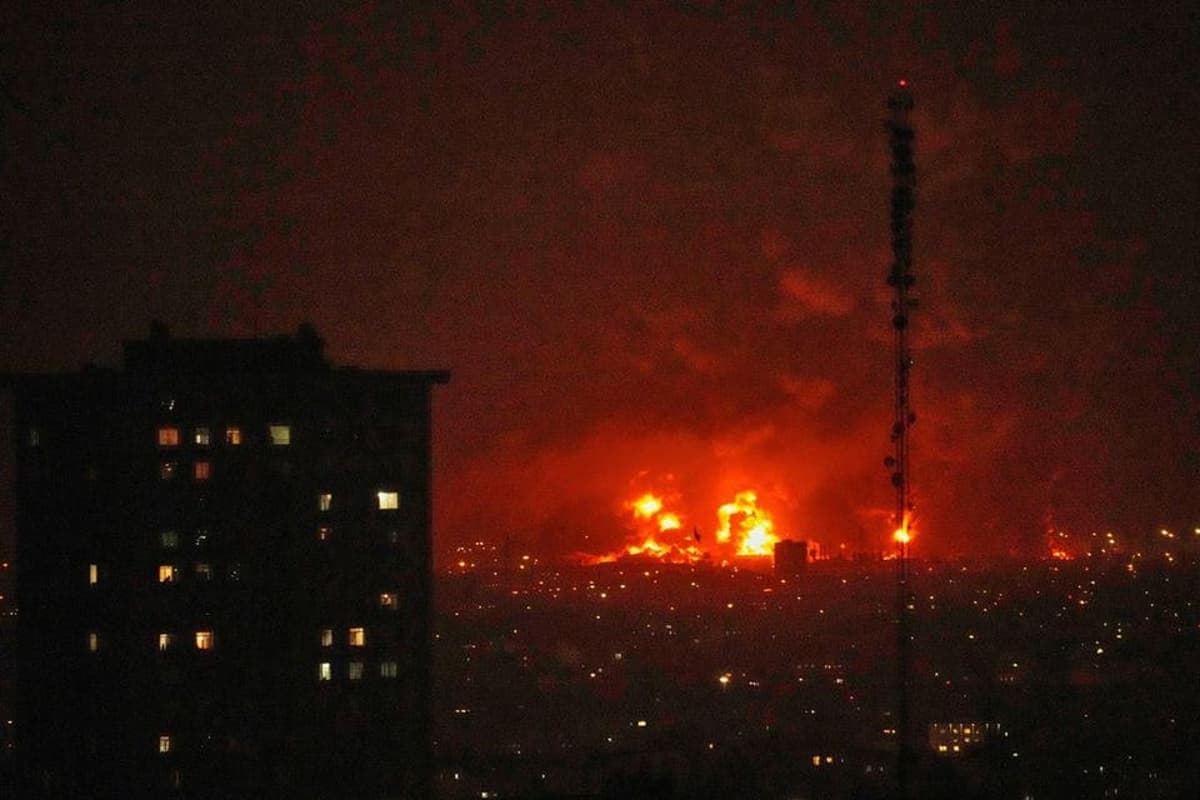
Iran’s Real “Nuclear Option” Isn’t A Bomb—It’s The Strait Of Hormuz
•March 9, 2026
0
Why It Matters
Disrupting Hormuz would create an energy shock that reverberates through global markets, forcing policymakers to confront heightened geopolitical risk and potential escalation.
Key Takeaways
- •Strait of Hormuz carries ~20% global oil
- •Iran can disrupt flow with missiles, mines, drones
- •WTI crude rose above $110 on risk fears
- •Closure would spike prices, inflation worldwide
- •Iran risks own exports by threatening the strait
Pulse Analysis
The strategic calculus of the Persian Gulf hinges on geography as much as on armaments. The Strait of Hormuz, only 21 miles wide at its narrowest, funnels the majority of Gulf oil through two two‑mile lanes that sit within striking distance of Iran’s coastal missile batteries and drone launch sites. This anti‑access/area‑denial posture means a handful of precision strikes or a modest minefield can render the corridor unusable without a full‑scale naval battle, turning a regional dispute into a global supply‑chain crisis.
Financial markets already price this risk. When headlines hinted at Iranian escalation, West Texas Intermediate futures leapt past $110 per barrel, reflecting traders’ fear of supply shocks. Even a brief perception of danger can trigger insurance premium hikes and reroute tankers, amplifying freight costs. The ripple effect extends beyond energy, influencing transportation expenses, consumer inflation, and growth forecasts for oil‑importing economies worldwide. Analysts therefore monitor satellite imagery and maritime traffic as leading indicators of geopolitical stress.
For policymakers, the dilemma is stark: protect the flow of oil while avoiding a direct confrontation that could spiral into broader conflict. Iran’s own export revenues depend on the same strait, creating a paradox where threatening closure also endangers its economy. Yet the leverage remains potent, compelling the United States and its allies to maintain a robust naval presence and develop rapid‑response mine‑countermeasure capabilities. Understanding this chokepoint’s dynamics is essential for investors, energy planners, and security strategists navigating an increasingly volatile international landscape.
Iran’s Real “Nuclear Option” Isn’t A Bomb—It’s The Strait Of Hormuz
0
Comments
Want to join the conversation?
Loading comments...