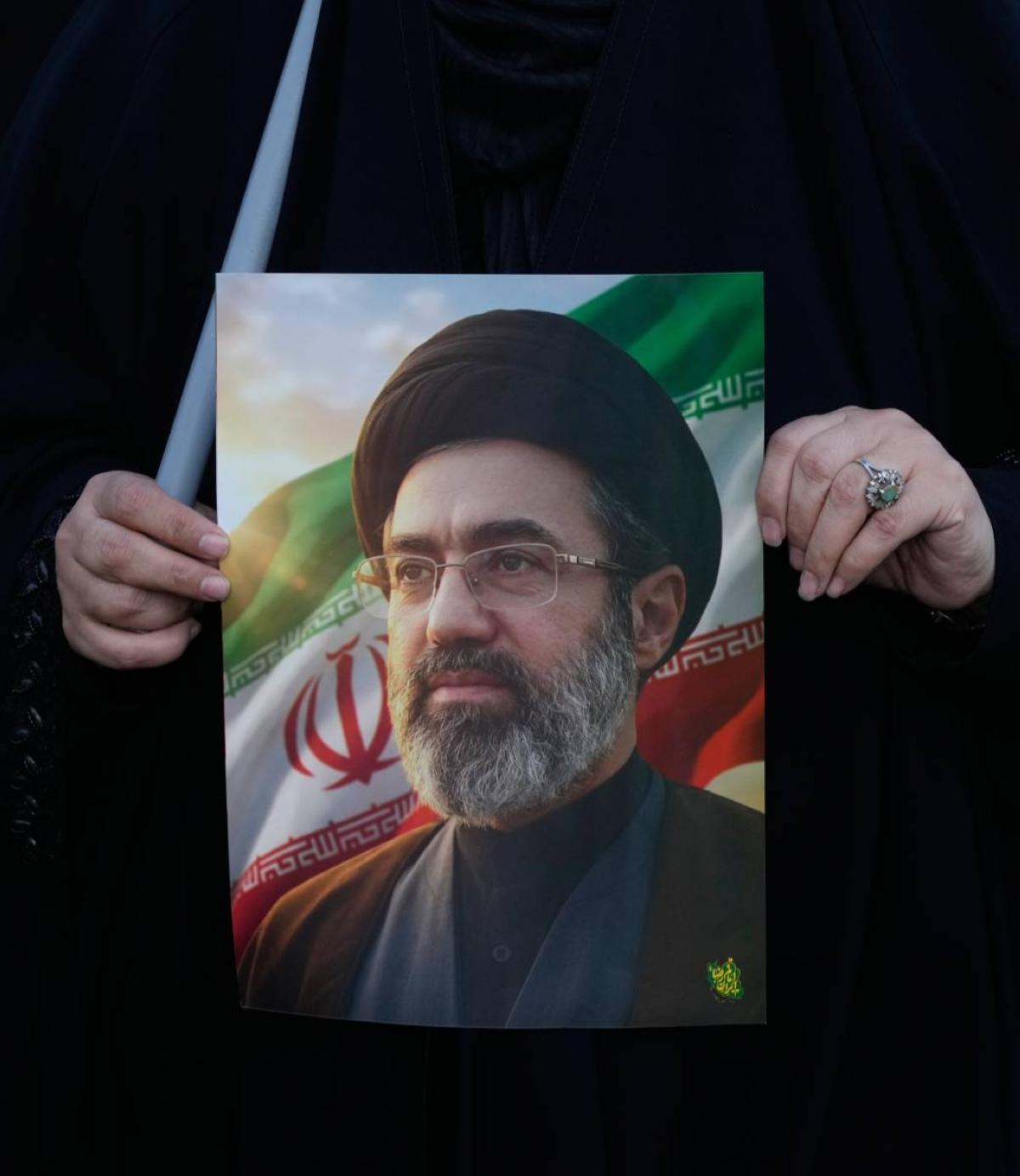
Iran’s Supreme Leader Vows to Protect Nuclear and Missile Capabilities
Why It Matters
The showdown threatens global oil supplies and could destabilize energy markets, while diplomatic overtures hint at a possible de‑escalation path.
Key Takeaways
- •Iran vows to keep nuclear and missile programs despite US pressure
- •US blockade forces 44 commercial vessels to turn back, raising oil prices
- •Brent crude spikes to $126 per barrel as Hormuz remains closed
- •Trump proposes maritime freedom construct to counter Iranian provocations
- •Pakistan offers to facilitate direct US‑Iran talks amid escalating tensions
Pulse Analysis
Iran’s hard‑line posture under Ayatollah Mojtaba Khamenei underscores the regime’s resolve to retain its nuclear and ballistic‑missile capabilities as core elements of national identity. By framing the United States as an adversary "at the bottom of the Persian Gulf," Khamenei signals that any diplomatic compromise on these programs is off the table. This rhetoric amplifies regional anxieties, especially as Iran continues to assert control over the strategic Strait of Hormuz, a chokepoint through which roughly 20% of global oil passes.
In response, the Trump administration has intensified a naval blockade, turning away dozens of commercial ships and threatening to levy steep tolls on those that attempt to transit the strait. The move has already driven Brent crude to $126 per barrel, reflecting market nerves over supply disruptions. Washington’s proposed "maritime freedom construct," coordinated by the State Department and CENTCOM, aims to safeguard navigation rights while imposing higher costs on Iran’s maritime provocations. Simultaneously, the president’s contemplation of troop reductions in Europe signals a broader strategic recalibration, potentially reshaping U.S. force posture in the Middle East.
Amid the brinkmanship, diplomatic channels remain open. Pakistan’s offer to facilitate direct U.S.–Iran talks provides a rare conduit for real‑time dialogue, which could ease the stalemate if both sides engage earnestly. However, continued hostilities, including Iran’s enforcement of a $2 million toll on Hormuz passages and ongoing clashes involving Hezbollah, keep the risk of escalation high. Investors and policymakers must monitor oil price volatility, sanctions enforcement, and any breakthrough in negotiations, as the outcome will reverberate across global energy markets and geopolitical stability.
Iran’s supreme leader vows to protect nuclear and missile capabilities
Comments
Want to join the conversation?
Loading comments...