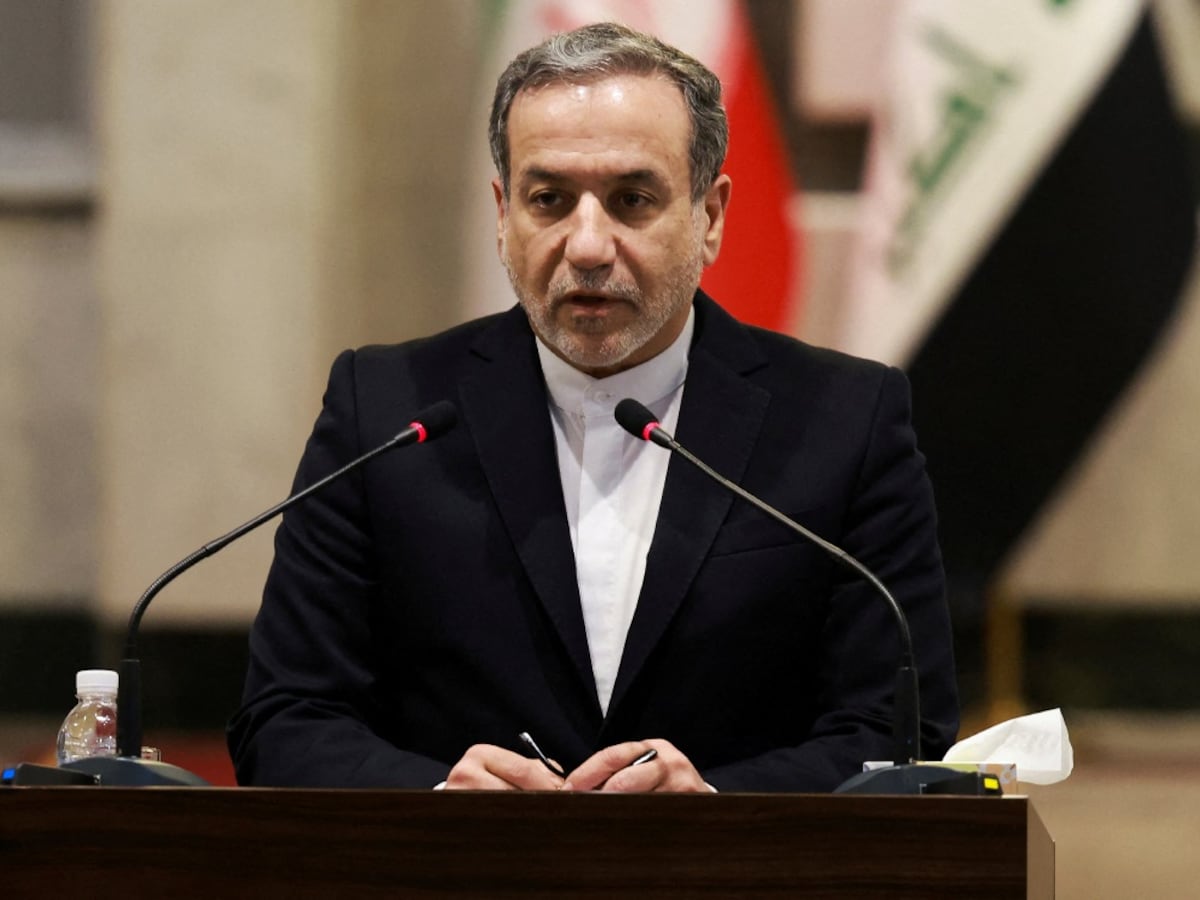
Iran’s Top Envoy Heads to Pakistan, Raising Hope for Peace Talks
Why It Matters
A successful diplomatic reset could de‑escalate Iran‑US tensions, stabilizing the Middle East and easing pressure on global energy prices.
Key Takeaways
- •Iran's foreign minister visits Pakistan to coordinate US‑Iran peace proposals
- •Trump will send envoys Witkoff and Kushner to Islamabad for talks
- •US Vice President JD Vance stands ready to travel if negotiations succeed
- •Pakistan positioned as mediator, logistics team already in place
- •Oil prices dip as markets react to possible diplomatic breakthrough
Pulse Analysis
The latest diplomatic overture marks a rare moment of direct engagement between Tehran and Washington after months of hostile posturing. While the Iran‑Israel conflict in Lebanon has dominated headlines, the United States is quietly assembling a high‑level team—Steve Witkoff, Jared Kushner, and potentially Vice President JD Vance—to test Tehran’s willingness to curb its nuclear ambitions. By routing discussions through Islamabad, the Biden‑era administration hopes to leverage Pakistan’s historic role as a neutral conduit, a strategy reminiscent of the 2015 Geneva talks that temporarily eased sanctions pressures.
Pakistan’s mediation is more than a logistical convenience; it reflects Islamabad’s growing ambition to shape regional security architecture. The country has already positioned a security and logistics contingent in the capital, signaling readiness for rapid escalation or de‑escalation. Simultaneously, the cease‑fire extension in southern Lebanon, brokered by the White House, adds another layer of complexity. Hezbollah’s continued skirmishes keep the border volatile, and Tehran has made Lebanese stability a precondition for any substantive US dialogue. These intertwined conflicts mean that progress in one arena could ripple across the entire Middle East, influencing everything from refugee flows to cross‑border trade.
Financial markets are watching closely. Brent crude slipped below $105 per barrel and WTI fell toward $93 as traders priced in the possibility of a diplomatic breakthrough that could lift sanctions and restore oil flow from the Persian Gulf. However, analysts caution that any agreement will hinge on verifiable nuclear concessions, a hurdle that has stalled previous negotiations. Investors should monitor the pace of talks, the composition of the US envoy team, and any shifts in Pakistan’s mediation stance, as these factors will dictate short‑term volatility and long‑term risk assessments for energy and defense sectors.
Iran’s top envoy heads to Pakistan, raising hope for peace talks
Comments
Want to join the conversation?
Loading comments...