Is Canada Turning Into a Chinese Proxy?
•February 16, 2026
0
Why It Matters
Redirecting defense spend reshapes North American security economics and may deepen Canada’s exposure to non‑Western defense actors. The change could alter trade balances and influence geopolitical alignments in the region.
Key Takeaways
- •Canada redirects billions to domestic defense industry.
- •U.S.-Canada defense ties weaken noticeably.
- •Domestic production may attract Chinese equipment suppliers.
- •Policy could reshape North American supply chains.
- •Political backlash expected from pro‑U.S. factions.
Pulse Analysis
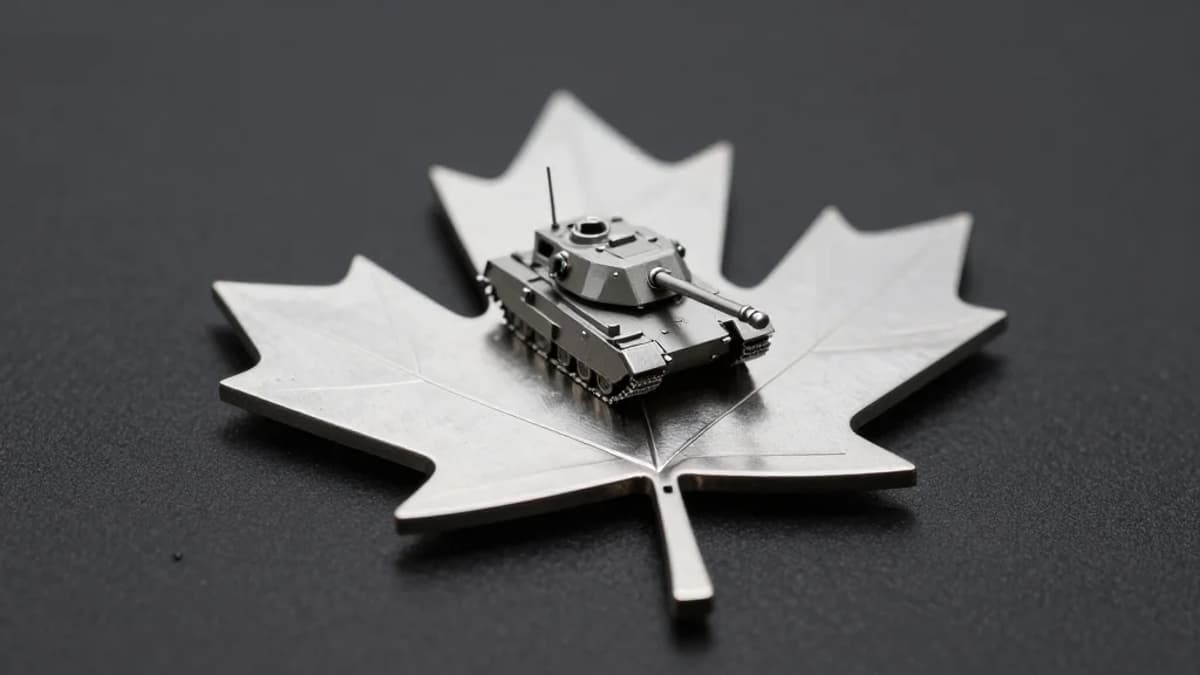
Canada’s decision to channel billions of dollars into home‑grown defense production marks a decisive pivot from its long‑standing reliance on U.S. contractors. Historically, Ottawa has sourced a large share of its military hardware from American firms, reinforcing a tightly knit North American defense ecosystem. By prioritizing domestic manufacturers, the Canadian government aims to stimulate local jobs, secure supply lines, and assert greater control over critical technologies. This shift reflects broader political currents that question the benefits of deep integration with Washington’s defense industrial base.
The policy’s ripple effects extend beyond national borders, raising concerns about the potential entry of Chinese defense firms into Canada’s procurement pipeline. As domestic capacity expands, foreign suppliers—particularly from China—may seek partnerships or joint ventures to meet new demand, leveraging competitive pricing and advanced capabilities. Such involvement could complicate Canada’s security posture, given existing apprehensions about Chinese technology in critical infrastructure. Moreover, the move threatens to fragment the integrated supply chain that has underpinned NATO interoperability, prompting allies to reassess coordination mechanisms.
Domestically, the announcement has sparked a polarized response. Pro‑U.S. politicians and defense industry stakeholders warn that abandoning American contracts could erode bilateral trust and diminish Canada’s influence in joint initiatives. Conversely, industry groups champion the opportunity to build a sovereign defense sector capable of innovation and export. The long‑term impact will hinge on how Canada balances economic nationalism with alliance commitments, and whether safeguards can prevent undue reliance on non‑Western partners while fostering a resilient, home‑based defense ecosystem.
Is Canada Turning Into a Chinese Proxy?
0
Comments
Want to join the conversation?
Loading comments...