Is Finland in Trouble? Ukraine’s Wayward Drones Expose Europe’s Hidden Weakness
Why It Matters
The breach reveals that even highly militarised states can be blindsided by cheap drone attacks, challenging assumptions about continental security and prompting a reassessment of defence priorities across Europe.
Key Takeaways
- •Ukrainian drones entered Finnish airspace undetected, highlighting radar gaps
- •Finnish officials gave mixed messages, undermining public confidence
- •Europe’s focus on conventional weapons leaves it vulnerable to cheap drones
- •Nations must upgrade low‑altitude surveillance and bureaucratic agility
Pulse Analysis
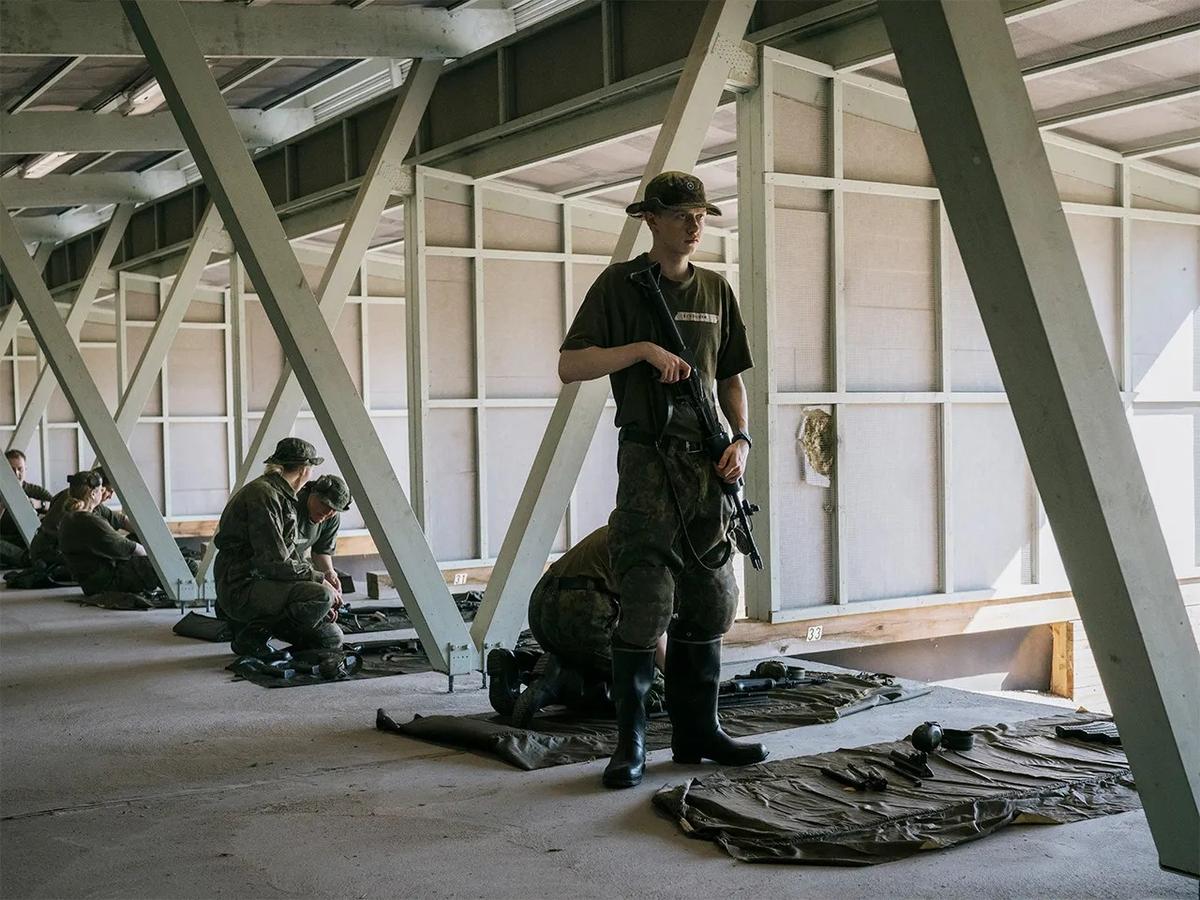
Finland has built its international image on a comprehensive civil‑defence network: underground shelters, grain reserves and a sizable reserve army that many European capitals admire. Since joining NATO, the Nordic nation has been seen as the alliance’s northern sentinel, a role reinforced by mandatory conscription and regular reservist drills. The recent incursion of Ukrainian‑origin drones, however, slipped past Finnish radar and only became apparent when the unmanned aircraft crashed while heading toward Russian territory. The episode forced the prime minister to label the failure “alarming,” a rare admission that rippled through a society accustomed to bureaucratic certainty.
The incident is less a Finnish embarrassment than a symptom of a continent still calibrated for conventional warfare. European defence budgets have largely been allocated to high‑cost platforms—fighter jets, artillery and missile batteries—designed to counter state‑on‑state threats. Yet the Ukrainian battlefield has demonstrated that low‑cost, low‑altitude drones can achieve strategic effects disproportionate to their price tag. Radar systems optimized for high‑flying aircraft often struggle to detect small, slow‑moving objects skimming the terrain, leaving even the most disciplined militaries exposed to a new class of inexpensive aggression.
Addressing this blind spot requires a shift from hardware‑centric procurement to integrated, agile solutions. Nations should invest in dense networks of low‑altitude sensors, AI‑driven detection algorithms and rapid‑response counter‑drone units that can be deployed by both military and civilian agencies. Equally important is streamlining decision‑making processes so that alerts translate into immediate action rather than prolonged political debate. As Europe confronts the reality that a handful of cheap drones can undermine its perceived security, policymakers must prioritize resilience that matches the speed and affordability of modern asymmetric threats.
Is Finland in trouble? Ukraine’s wayward drones expose Europe’s hidden weakness
Comments
Want to join the conversation?
Loading comments...