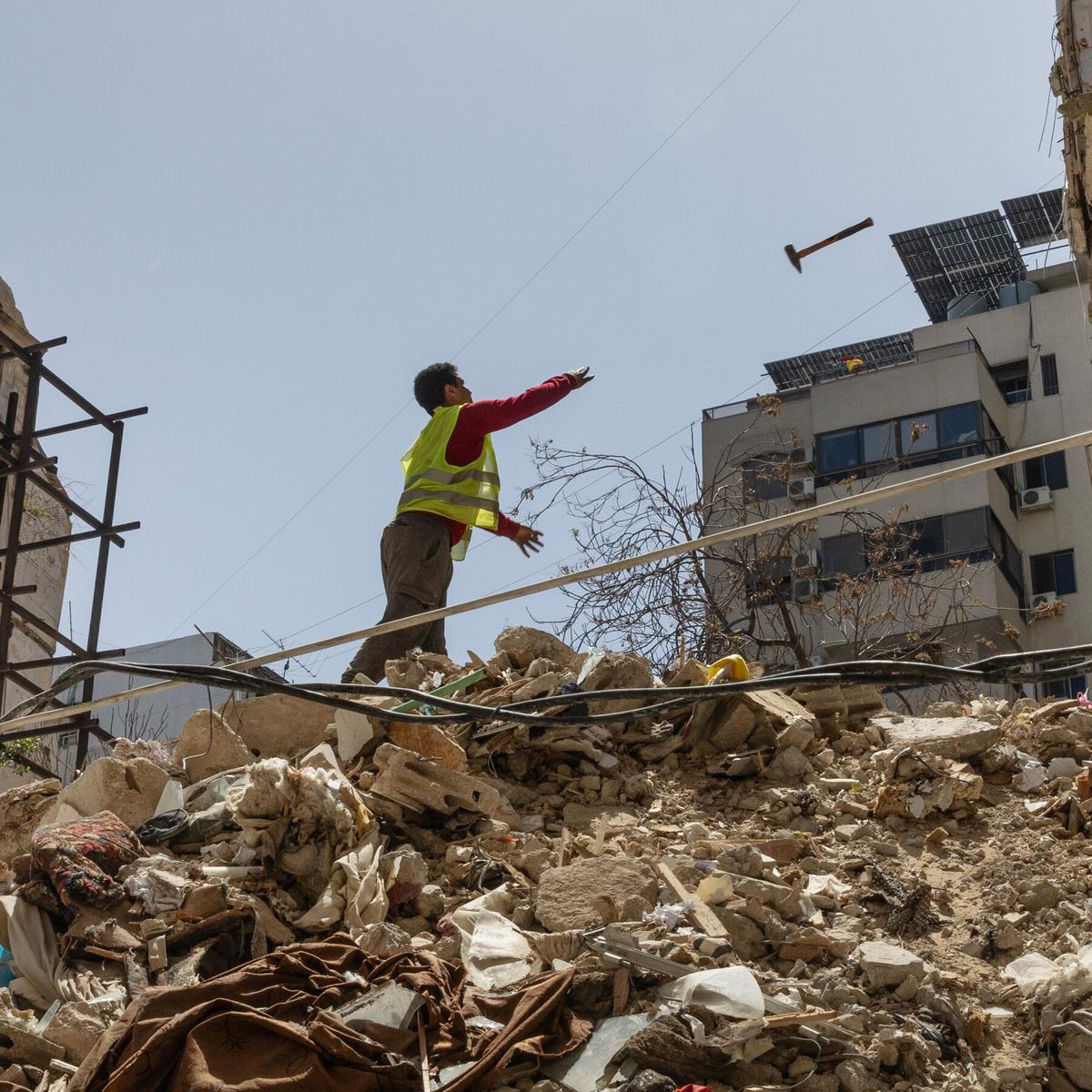
Israel and Lebanon Talk, but Fighting Continues
Why It Matters
These talks could create a diplomatic pathway to de‑escalate a volatile front, while ongoing clashes risk wider regional spillover and economic fallout.
Key Takeaways
- •First direct Israeli‑Lebanese talks in decades aim to curb Hezbollah conflict
- •Hezbollah and Israel exchanged strikes despite diplomatic overtures
- •IMF warns Middle East war could trigger global recession
- •Only 24% of Americans see the war as beneficial
Pulse Analysis
The historic sit‑down between Israeli and Lebanese officials marks a rare diplomatic opening on a front that has been frozen since the 2006 war. By declaring they are “on the same side of the equation,” both sides signaled a willingness to explore cease‑fire mechanisms that could isolate Hezbollah from its Iranian patronage. Yet the talks are fragile; they lack formal enforcement mechanisms and depend on the Lebanese government's limited leverage over the militant group. Observers note that any sustained dialogue could lay groundwork for a broader regional de‑escalation, provided both capitals stay engaged.
On the battlefield, the cease‑fire promise has not translated into restraint. Israeli airstrikes targeted Hezbollah positions in southern Lebanon, prompting retaliatory rocket fire that hit northern Israeli communities. Hezbollah’s operational independence from Beirut underscores the difficulty of translating diplomatic rhetoric into concrete security outcomes. Analysts warn that miscalculations could spark a wider confrontation involving Iran’s proxy network, potentially dragging neighboring states into the fray. The immediate challenge for negotiators is to establish verifiable de‑confliction protocols that can survive the asymmetrical nature of the conflict.
The conflict’s ripple effects are already felt in global markets. The International Monetary Fund has flagged the Middle East war as a catalyst for a possible global recession, citing disrupted energy supplies and heightened geopolitical risk premiums. In the United States, a new poll shows only 24 percent of respondents view the war as delivering net benefits, even among President Trump’s base, suggesting growing domestic fatigue. Investors are therefore watching diplomatic signals closely, as any breakthrough could ease commodity price volatility, while renewed fighting would likely reinforce risk‑off sentiment across equities and currencies.
Israel and Lebanon Talk, but Fighting Continues
Comments
Want to join the conversation?
Loading comments...