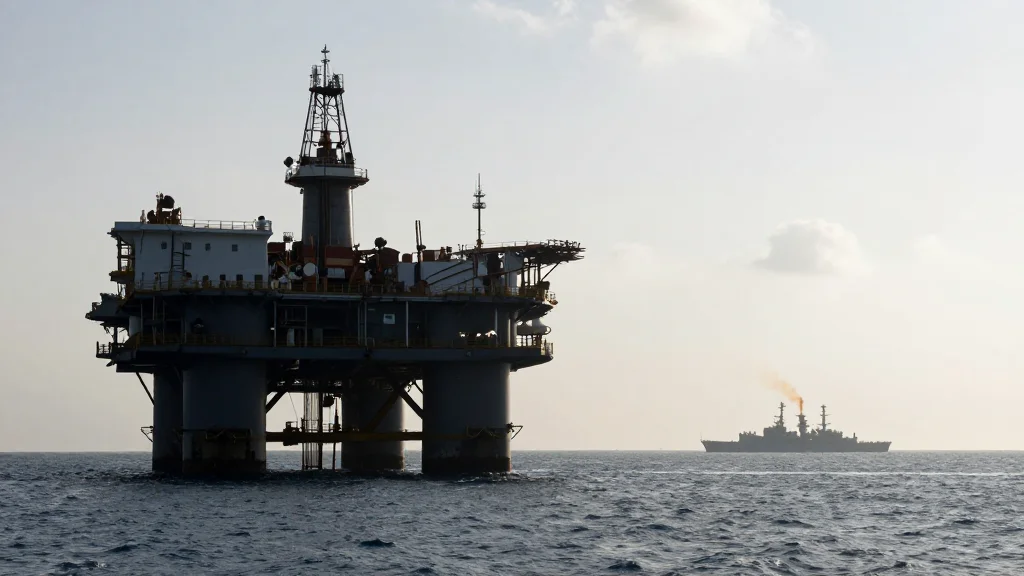
Israel and U.S. Ramp up Strikes on Iran as Trump Pauses Civilian‑target Threats Pending Ceasefire

Why It Matters
The renewed Israeli and U.S. strikes on Iranian infrastructure signal a sharp escalation in a conflict that already threatens global energy supplies. By targeting bridges, railways and a key oil hub, the coalition aims to cripple Iran’s logistical and economic capabilities, raising the stakes for civilian safety and regional stability. The suspension of civilian‑target threats by President Trump introduces a conditional de‑escalation that hinges on Iran’s acceptance of a cease‑fire and the reopening of the Strait of Hormuz, a chokepoint through which one‑fifth of the world’s oil flows. If the cease‑fire holds, it could open a diplomatic pathway and stabilize oil markets; if it fails, the conflict could expand, drawing in Gulf states, NATO allies, and potentially triggering broader economic disruption. Beyond immediate military considerations, the episode underscores how modern warfare blends kinetic strikes with information operations—public travel warnings, social‑media announcements, and diplomatic overtures—all aimed at shaping both battlefield outcomes and public perception. The interplay between hard power and diplomatic pressure will shape the strategic calculus of regional actors for months to come.
Key Takeaways
- •Israel and U.S. forces hit Iranian bridges, a train station and the Kharg oil hub on Tuesday.
- •President Donald Trump announced a two‑week pause on threats to strike civilian targets, conditional on Iran’s cease‑fire acceptance.
- •Iran’s UN representative labeled Trump’s earlier threat of a "whole civilization" as incitement to war crimes.
- •Pakistan’s prime minister urged a two‑week extension of the deadline to allow safe reopening of the Strait of Hormuz.
- •The Strait of Hormuz carries roughly 20% of global oil; its status is central to market stability.
Pulse Analysis
The latest round of strikes and the subsequent diplomatic overture illustrate a classic pattern in modern conflict: the use of high‑impact, precision attacks to force a political concession, followed by a rapid de‑escalation to preserve strategic flexibility. Israel’s focus on rail and bridge targets is a calculated move to disrupt Iran’s internal logistics without directly confronting its nuclear facilities, thereby limiting the risk of a broader nuclear escalation while still delivering a punitive blow.
Trump’s decision to suspend civilian‑target threats is less a humanitarian gesture than a tactical lever. By tying the pause to Iran’s willingness to open the Strait of Hormuz, the U.S. leverages global oil market sensitivities to extract concessions. The two‑week window is deliberately short, creating urgency while preserving the option to resume full‑scale operations if Tehran balks. This mirrors previous U.S. strategies where deadlines are set, then extended, maintaining pressure without committing to an irreversible escalation.
Regionally, the cease‑fire acceptance by Iran’s Supreme National Security Council is a double‑edged sword. While it offers a diplomatic opening, the council’s warning that the cease‑fire does not end the war signals that Tehran retains the ability to re‑escalate at will. The involvement of Pakistan as a mediator adds a layer of complexity; Islamabad’s influence over Tehran is limited, but its role as a conduit for U.S. diplomatic messaging could prove pivotal in keeping the Strait open.
Looking ahead, the market will react not just to the physical state of the Strait but to the credibility of the cease‑fire. Any breach—whether by a stray missile hitting a bridge or a retaliatory strike on Israeli soil—could trigger a rapid spike in oil prices and force NATO and Gulf allies to reassess their security postures. In this volatile environment, the next 48‑hour period will be a litmus test for whether the temporary pause can translate into a sustainable diplomatic pathway or merely serve as a brief intermission before the next escalation.
Israel and U.S. ramp up strikes on Iran as Trump pauses civilian‑target threats pending ceasefire
Comments
Want to join the conversation?
Loading comments...