Why It Matters
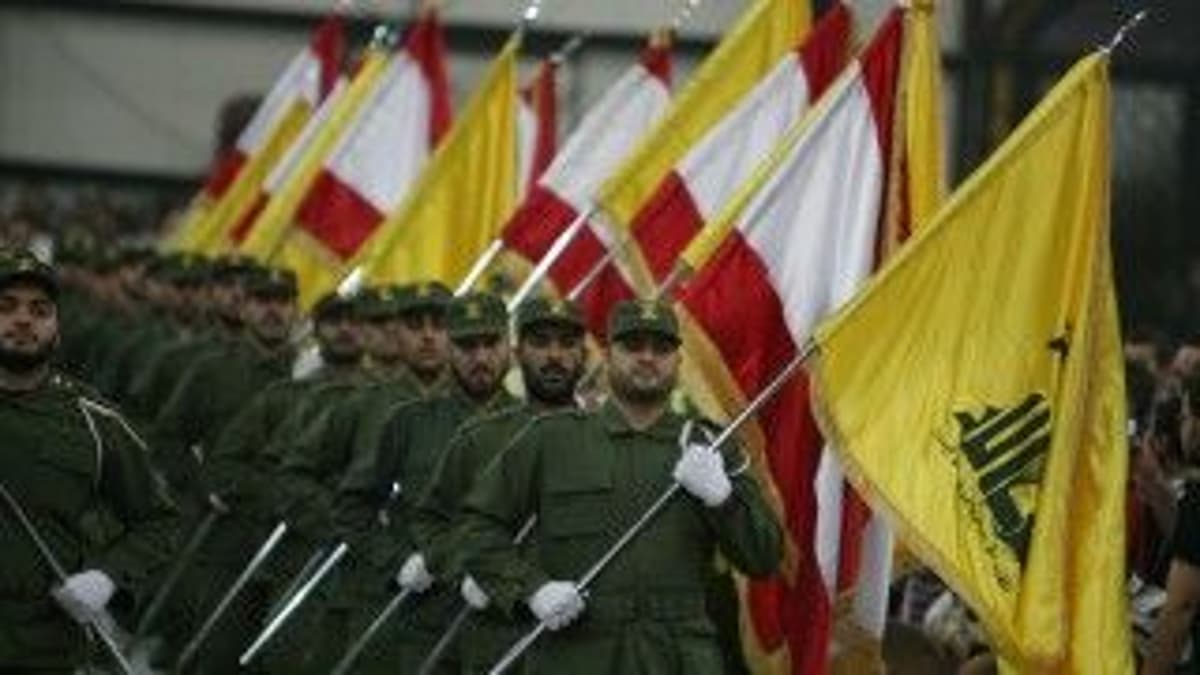
The meeting creates a diplomatic foothold that could curb Hezbollah’s cross‑border attacks, influencing regional security and U.S. strategic calculations in the Middle East.
Key Takeaways
- •First Israel-Lebanon ambassadorial talks in over 30 years
- •Both sides agree to confront Hezbollah jointly
- •Lebanese government rejected Hezbollah's warning, supporting talks
- •No immediate shift in Hezbollah's military strength expected
- •Ceasefire between Iran and US holds; Israel still targets Hezbollah
Pulse Analysis
The meeting between Israel’s U.S. ambassador Yechiel Leiter and Lebanon’s U.S. envoy Nada Hamadeh Moawad marks the first ambassador‑level dialogue between the two neighbors in more than three decades. After years of indirect hostility, the encounter was framed around a shared objective: curbing Hezbollah’s capacity to launch cross‑border attacks. Both diplomats highlighted a “common side of the equation,” signaling a rare convergence of interests that could lay groundwork for a more structured diplomatic channel. The talks were conducted in Washington, underscoring the United States’ role as a mediator.
Hezbollah remains the most potent non‑state actor in Lebanon, outgunning the national army and enjoying de facto autonomy. The Lebanese prime minister’s public rebuff of Hezbollah’s warning underscores a tentative shift toward state authority, yet the militia’s entrenched networks and external backing limit any rapid disarmament. Analysts warn that without a credible enforcement mechanism, the talks may yield symbolic victories while the on‑ground balance of power stays unchanged, leaving southern Israel vulnerable to sporadic rocket fire. International donors have signaled willingness to fund reconstruction in southern Lebanon, contingent on a durable ceasefire.
For Washington, the dialogue offers a modest lever to contain Iranian influence that flows through Hezbollah, complementing the broader U.S.–Iran cease‑fire that remains fragile. If Israel and Lebanon can sustain a low‑intensity diplomatic track, it may encourage other regional actors to pursue back‑channel talks, potentially easing tensions along the volatile eastern Mediterranean. Nonetheless, observers caution that any escalation in Hezbollah’s operations could quickly derail progress, making the durability of this nascent engagement highly contingent on security developments on the ground. A successful diplomatic rhythm could also open space for economic cooperation, such as joint energy projects in the offshore Levant basin.
Israel-Lebanon talks
Comments
Want to join the conversation?
Loading comments...