Why It Matters
The strategy’s high cost and lack of a sustainable “day after” plan deepen regional instability and threaten Israel’s economic and security footing. It also signals that future Israeli governments are likely to inherit the same perpetual‑war mindset.
Key Takeaways
- •Israel's "mowing the grass" strategy relies on disproportionate force
- •Conflict costs exceed $200 billion, straining Israel’s budget
- •No clear post‑war plan fuels perpetual regional instability
- •Expanded doctrine now targets state actors like Iran, raising escalation risk
- •Opposition parties may inherit the same endless war approach
Pulse Analysis
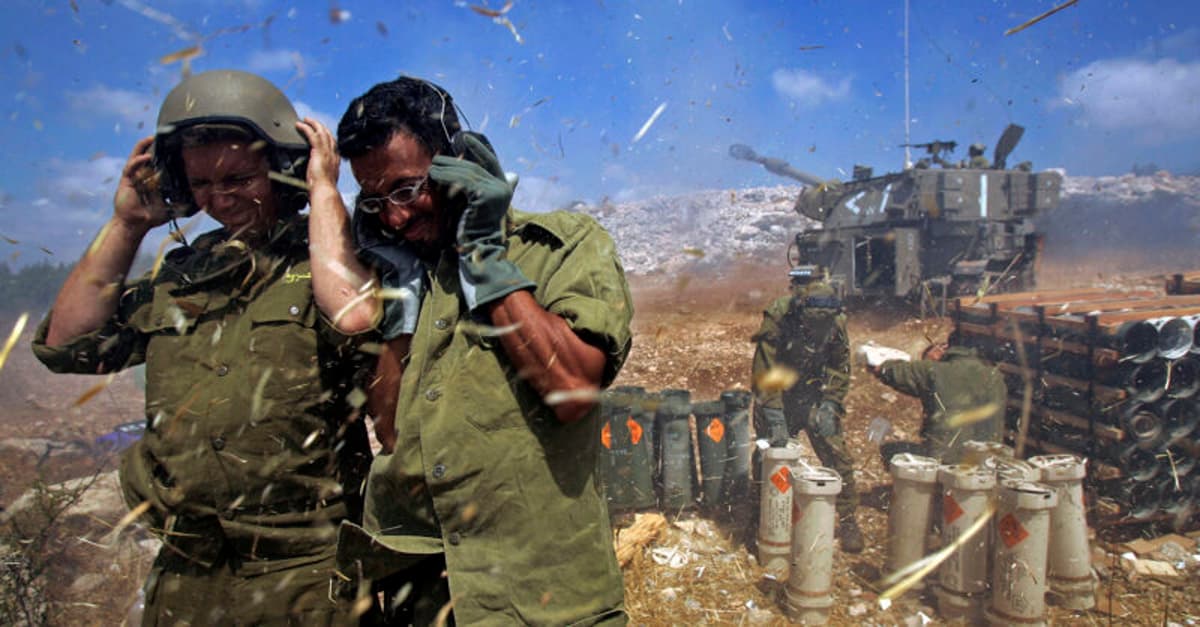
The "mowing the grass" doctrine emerged after Israel’s 2006 Lebanon war, describing a pattern of overwhelming, punitive strikes aimed at resetting the status quo rather than achieving lasting political change. By targeting both militant infrastructure and civilian areas, Israel sought to impose a threshold of chaos that would compel adversaries to seek ceasefires. Historically applied to Hezbollah and Hamas, the approach relied on Israel’s qualitative military edge to deliver swift, decisive blows that discouraged further escalation.
In the wake of the October 7, 2023 attacks, Israel amplified this playbook, extending it beyond non‑state actors to confront Iran directly. The June 2025 "12‑day war" and the February 2026 campaign illustrate how the doctrine now underpins state‑on‑state operations, dramatically raising the scale of destruction and the risk of broader regional conflagration. At the same time, the war effort has consumed over $200 billion, pushing Israel’s fiscal policy toward higher taxes and cuts, while reservist deployments strain societal cohesion and military readiness.
The persistence of "mowing the grass" carries profound strategic implications. Without a coherent post‑conflict governance plan, each tactical victory merely resets the conflict cycle, fostering a feedback loop of perpetual low‑intensity wars across Gaza, Lebanon and the broader Middle East. As political rivals prepare to challenge Netanyahu in the 2026 elections, the doctrine is likely to survive any leadership change, entrenching a costly, indefinite security paradigm that undermines both regional stability and Israel’s long‑term security interests.
Israel never stopped mowing the grass
Comments
Want to join the conversation?
Loading comments...