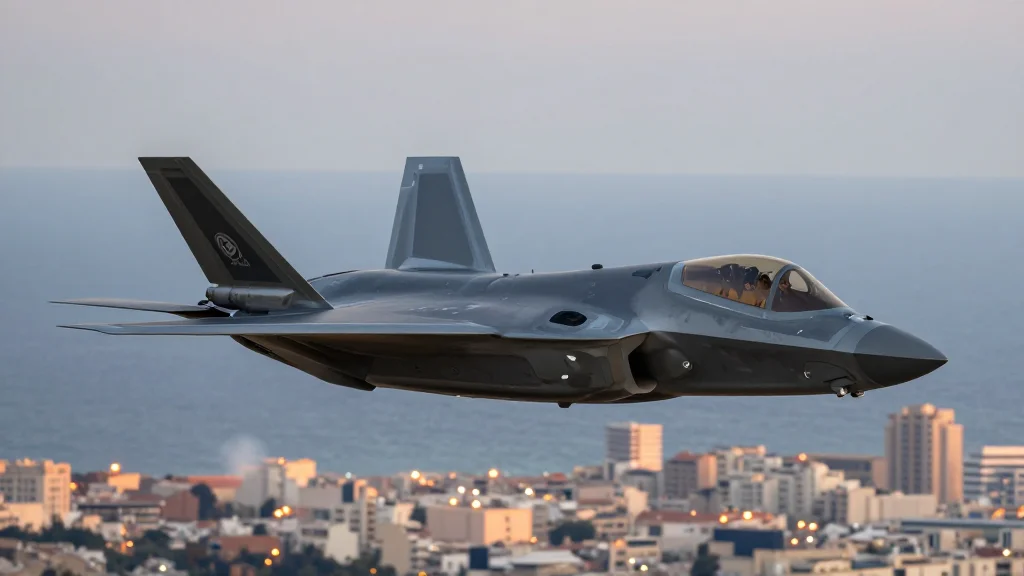
Israel Orders Strikes on Beirut’s Dahiyeh as Hezbollah Rockets Hit Northern Israel

Why It Matters
The Israeli strikes on Dahiyeh mark a significant escalation in a conflict that has already caused thousands of deaths and displaced millions. By targeting a densely populated Hezbollah enclave, Israel signals a willingness to expand its ground and air campaign, potentially drawing Iran deeper into the fight. The timing—just before high‑level US‑mediated talks—places diplomatic efforts under pressure, as any misstep could derail a fragile cease‑fire and destabilize the broader Middle‑East security environment. For defense analysts, the episode highlights the growing role of low‑observable drone technology in asymmetric warfare, as Hezbollah’s fiber‑optic drones have already inflicted Israeli casualties. It also underscores the importance of diplomatic channels in managing escalation, with the United States attempting to broker a reciprocal halt that could set a precedent for future conflicts involving state and non‑state actors.
Key Takeaways
- •Netanyahu and Defence Minister Israel Katz ordered strikes on Beirut’s Dahiyeh after Hezbollah rockets hit northern Israel.
- •Hezbollah’s Nabih Berri pledged a “full, comprehensive and immediate commitment to a ceasefire” but demanded Israel stop its aggression first.
- •U.S. Secretary of State Marco Rubio proposed a reciprocal de‑escalation plan ahead of Israel‑Lebanon talks in Washington.
- •Six people killed in southern Lebanon overnight; Israel intercepted two projectiles and a suspicious aerial target.
- •Hezbollah’s use of fiber‑optic drones has already killed an Israeli soldier, illustrating new asymmetric threats.
Pulse Analysis
The decision to hit Dahiyeh reflects Israel’s strategic calculus that a limited, high‑profile strike can pressure Hezbollah without triggering a full‑scale invasion. Historically, Israel has avoided deep incursions into Beirut’s suburbs, preferring to contain Hezbollah’s capabilities along the southern border. By extending the fight into the Lebanese capital, Israel risks international condemnation and may embolden Iran to increase its support for the militia, especially as Tehran frames the conflict as part of the broader U.S.–Iran standoff.
From a defense technology perspective, Hezbollah’s adoption of fiber‑optic drones signals a shift toward low‑cost, hard‑to‑detect platforms that can bypass traditional air defenses. This development forces Israel to adapt its counter‑UAV tactics, potentially accelerating investments in electronic warfare and AI‑driven detection systems. The ongoing exchange also tests the efficacy of U.S. diplomatic leverage; if Washington can secure a credible cease‑fire, it may reinforce the role of diplomatic pressure in curbing proxy conflicts. Conversely, a failure could expose the limits of external mediation when entrenched actors like Hezbollah and its Iranian backers maintain asymmetric advantages.
Looking ahead, the outcome of the Washington talks will likely set the tone for future engagements. A successful de‑escalation could stabilize the front and open space for humanitarian aid, while a breakdown could see both sides expand their operational footprints, raising the specter of a wider regional war that would draw in additional state actors and further complicate the security calculus for NATO and Gulf allies alike.
Israel Orders Strikes on Beirut’s Dahiyeh as Hezbollah Rockets Hit Northern Israel
Comments
Want to join the conversation?
Loading comments...