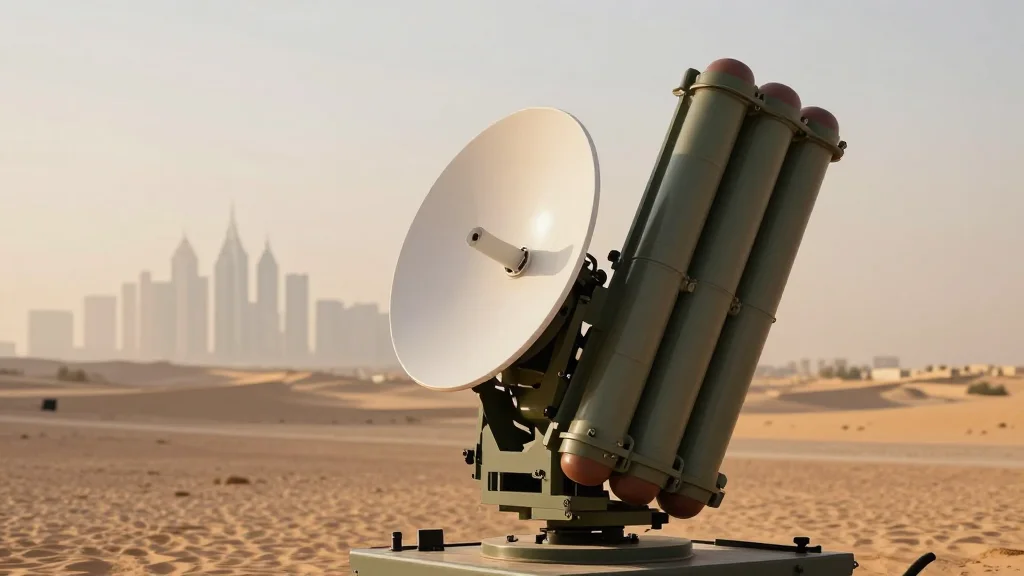
Israel Sends Iron Dome Batteries and Crews to UAE Amid Iran War

Why It Matters
The transfer of Iron Dome to the UAE marks the first time Israel has exported its flagship missile‑defense system to a Gulf partner, signaling a tangible shift from diplomatic overtures to operational collaboration. In a theater where Iranian missile and drone capabilities are expanding, the move provides the UAE with a rapid‑response shield that could protect civilian populations and critical oil infrastructure, thereby stabilizing a region vital to global energy markets. Beyond immediate protection, the deployment illustrates how the Abraham Accords are evolving into a security architecture that could deter further Iranian escalation. By linking Israeli technology with Gulf states’ strategic locations, the partnership creates a layered defense network that may compel Tehran to reconsider direct attacks, potentially limiting the war’s spillover into global trade routes.
Key Takeaways
- •Israel sent Iron Dome batteries and operators to the UAE, announced by U.S. Ambassador Mike Huckabee
- •Deployment aims to protect UAE against Iranian missile and drone threats amid the Iran‑Israel war
- •Iron Dome, originally designed for short‑range rocket interception, is now being fielded outside Israel for the first time
- •The move reflects deepening defense cooperation under the 2020 Abraham Accords
- •Iran’s closure of the Strait of Hormuz has driven global fuel prices above $4.50/gal, heightening regional security urgency
Pulse Analysis
The Iron Dome transfer is more than a tactical gesture; it is a strategic signal that Israel is willing to weaponize its diplomatic breakthroughs. Historically, Israel’s defense exports have been limited to allied European and American customers. By extending a core component of its home‑grown missile shield to the UAE, Israel not only monetizes its technology but also cements a security dependency that could lock the Gulf states into a long‑term partnership. This could reshape procurement patterns, nudging other regional actors—Saudi Arabia, Qatar, and Oman—to evaluate Israeli systems alongside traditional U.S. offerings.
From a market perspective, the deal could accelerate demand for next‑generation air‑defense solutions, spurring competition among manufacturers of radar, interceptor missiles, and counter‑drone platforms. Companies like Raytheon and Lockheed Martin, already entrenched in Gulf contracts, may face pressure to integrate Israeli technology or risk losing market share. Moreover, the deployment underscores a broader trend: the blurring of lines between diplomatic accords and hard security assets. As the Abraham Accords mature, we can expect a cascade of joint exercises, joint procurement, and possibly co‑development of indigenous systems, creating a new defense ecosystem that could outpace traditional NATO‑centric supply chains.
In the short term, the Iron Dome presence may deter low‑to‑medium‑range attacks, but it does not address high‑altitude ballistic threats that Iran possesses. The UAE will likely seek complementary systems—such as Patriot or THAAD—to fill that gap, potentially leading to a layered, multi‑national defense architecture. The success of this integration will hinge on interoperability standards, training pipelines, and political will to sustain joint operations beyond the immediate crisis.
Israel Sends Iron Dome Batteries and Crews to UAE Amid Iran War
Comments
Want to join the conversation?
Loading comments...