Israeli Airstrikes Kill 5 in Southern Lebanon as Hezbollah Rockets Hit Open Areas in Israel
Why It Matters
The incident underscores the fragility of the April cease‑fire and raises the risk of a broader escalation that could destabilize the already volatile Levant region and exacerbate civilian suffering.
Key Takeaways
- •Israeli strikes killed 5, wounded 8 in Toura and Kfar Chouba.
- •Hezbollah rockets fell in open areas, causing no Israeli casualties.
- •Ceasefire since April 17 remains under strain from renewed attacks.
- •Lebanese president urges EU to pressure Israel on civilian protection.
- •Lebanon‑Israel talks set for Washington next week to de‑escalate.
Pulse Analysis
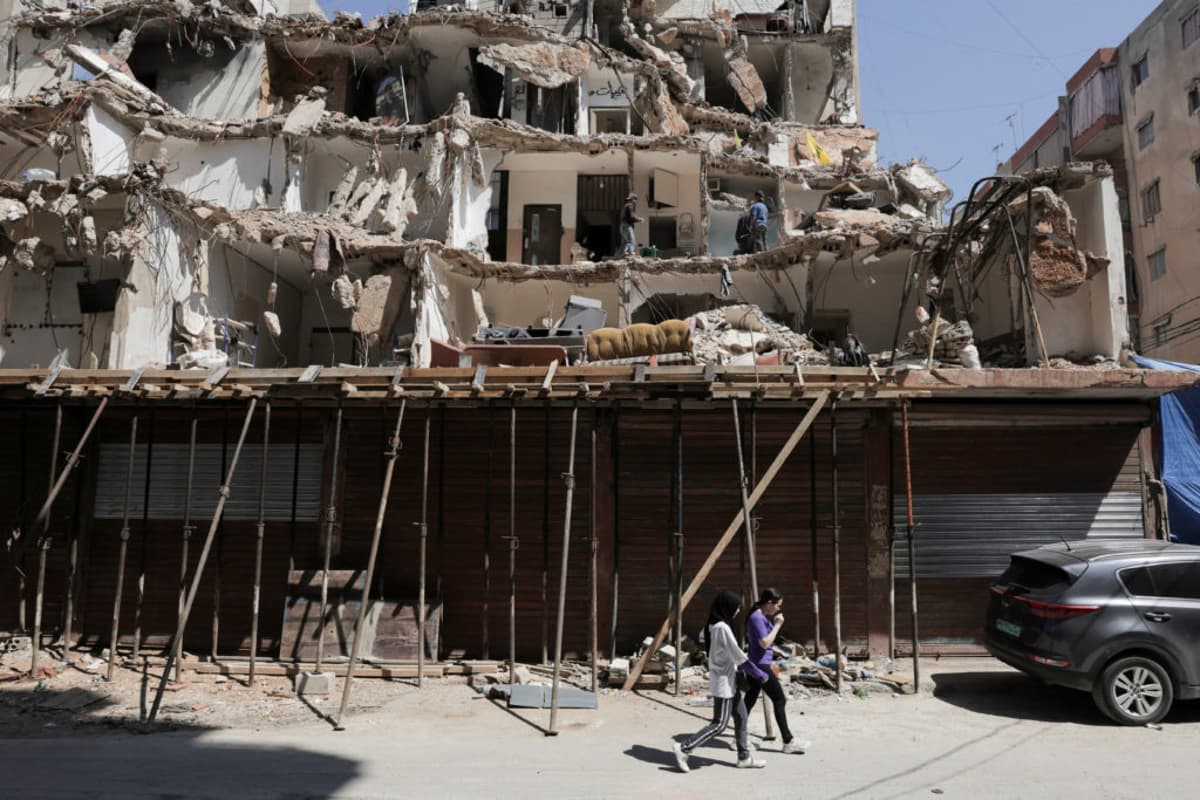
The latest flare‑up between Israel and Hezbollah highlights how quickly a tenuous cease‑fire can unravel. After more than a month of relative calm, Israeli jets targeted Toura and Kfar Chouba, killing civilians including a paramedic, while Hezbollah’s retaliatory rockets failed to strike populated areas. Analysts note that the timing—just days after the first Israeli strike on Beirut’s southern suburbs—suggests both sides are testing the limits of the Washington‑brokered truce, which was extended in early May but lacks robust monitoring mechanisms.
Humanitarian concerns are now front‑and‑center. Lebanon’s Health Ministry reported eight injuries and the destruction of homes, prompting President Joseph Aoun to call on European Union members to pressure Israel to curb strikes on civilian infrastructure. EU Commissioner for Equality Hadja Lahbib echoed these worries, labeling the cross‑border violence as taking Lebanon “hostage.” The diplomatic language reflects growing international fatigue with the conflict’s civilian toll, and it may shape future aid allocations and sanctions discussions aimed at protecting non‑combatants.
Looking ahead, the scheduled Lebanon‑Israel talks in Washington could serve as a critical de‑escalation channel. Both parties have expressed a nominal commitment to the cease‑fire, yet the recent casualties reveal deep mistrust. Successful negotiations would likely hinge on concrete guarantees—such as monitored buffer zones and a cessation of airstrikes near populated areas—to prevent further civilian loss. Failure to secure such assurances could reignite full‑scale hostilities, drawing in regional actors and destabilizing markets tied to Middle‑East energy supplies.
Israeli airstrikes kill 5 in southern Lebanon as Hezbollah rockets hit open areas in Israel
Comments
Want to join the conversation?
Loading comments...