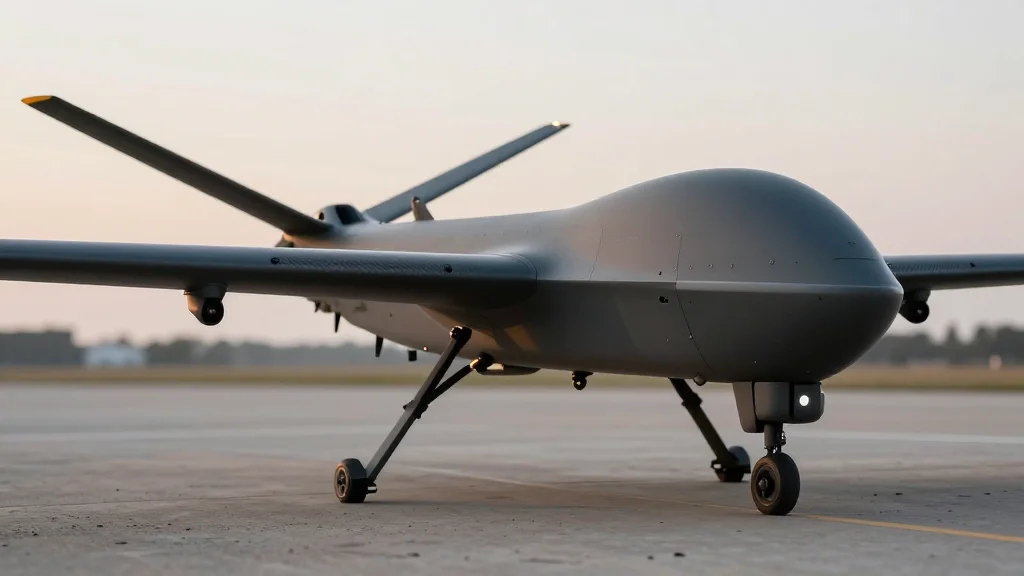
Israeli Drone Strikes Kill 17 in Lebanon Amid Fragile Ceasefire

Why It Matters
The latest Israeli strikes underscore how quickly a ceasefire can dissolve in a theater where state and non‑state actors operate side by side. Civilian casualties erode any political goodwill and risk pulling regional powers into a wider conflict, especially as Iran watches U.S. responses to its own confrontations in the Strait of Hormuz. The incident also tests the credibility of UN‑mediated ceasefires, which have become a cornerstone of conflict management in the Middle East. Beyond the immediate human cost, the attacks signal a shift toward more precise, drone‑enabled warfare that blurs the line between conventional and asymmetric tactics. This evolution could reshape military planning for both Israel and its adversaries, prompting a reassessment of air‑defence postures and the rules of engagement governing cross‑border strikes.
Key Takeaways
- •Israeli airstrike on Saksakiyeh killed 7 civilians, including a child
- •Three Israeli drone strikes on the Beirut‑Sidon highway injured multiple civilians
- •Hezbollah fired explosive drones into Israel, wounding three soldiers
- •Lebanese Health Ministry condemned the attacks as violations of international humanitarian law
- •UN and US diplomatic efforts are underway to prevent a broader escalation
Pulse Analysis
The latest flare‑up in southern Lebanon illustrates a broader trend: high‑tech, low‑altitude weapons are redefining the calculus of cross‑border conflict. Israel’s reliance on drones allows it to strike deep inside Lebanese territory while minimizing pilot risk, yet the civilian toll fuels international criticism and fuels Hezbollah’s propaganda. Conversely, Hezbollah’s use of improvised explosive drones demonstrates how non‑state actors can leverage inexpensive technology to threaten conventional forces, forcing Israel to allocate resources to air‑defence systems that were originally designed for state‑level threats.
Strategically, the incident tests the durability of ceasefires that depend on tacit understandings rather than robust verification mechanisms. The United Nations’ limited monitoring capacity in the Lebanon‑Israel border area means that each side can claim plausible deniability while continuing low‑intensity attacks. If the ceasefire collapses, the region could see a rapid escalation, drawing in Iran’s proxy networks and potentially prompting a U.S. naval response in the Gulf, where tensions with Iran are already high.
For policymakers, the key takeaway is the need for a multi‑layered approach: diplomatic pressure to enforce ceasefire terms, investment in civilian‑protective infrastructure, and a reassessment of rules of engagement that account for the blurred lines between state and proxy warfare. Without such measures, isolated incidents like the Saksakiyeh strike risk spiraling into a broader regional conflagration that could destabilize the already volatile Middle East.
Israeli Drone Strikes Kill 17 in Lebanon Amid Fragile Ceasefire
Comments
Want to join the conversation?
Loading comments...