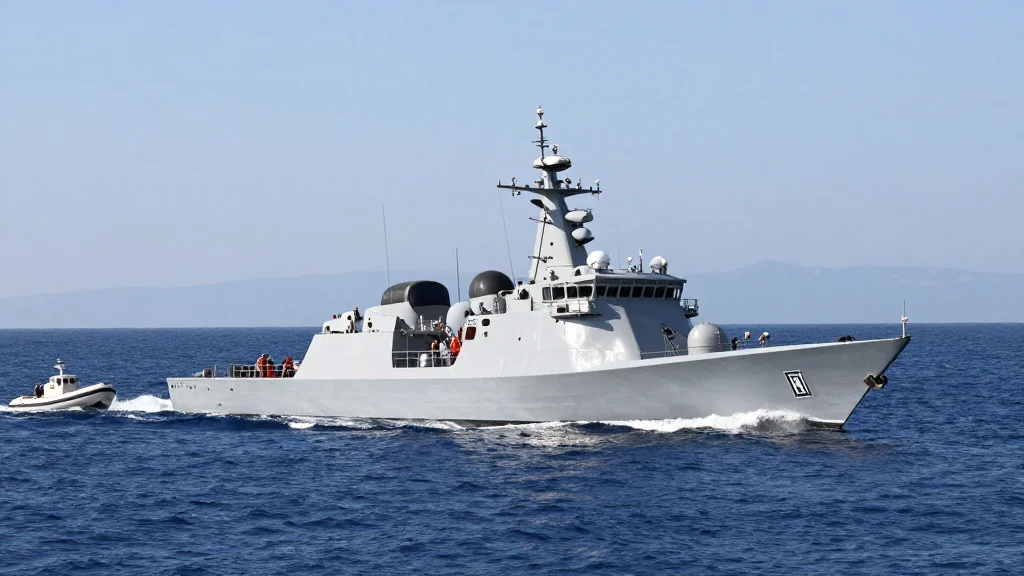
Israeli Navy Seizes 20‑Plus Boats of Gaza Aid Flotilla Near Crete, Detaining 175 Activists

Why It Matters
The interception underscores how blockades, traditionally a wartime tool, are being applied in protracted conflicts with far‑reaching diplomatic consequences. By acting in international waters, Israel pushes the legal envelope, prompting states like Greece, Turkey and Spain to confront the balance between sovereign security measures and the right to free navigation. The episode also highlights the growing role of civilian maritime activism in humanitarian crises, forcing defense establishments to allocate resources to counter non‑state actors at sea. For the defense industry, the operation signals heightened demand for rapid‑response maritime surveillance, interdiction vessels, and non‑lethal boarding equipment. Nations monitoring similar blockades may reassess their own naval postures, potentially spurring procurement of advanced ISR platforms and legal‑framework training for crews operating in contested maritime zones.
Key Takeaways
- •Israeli navy intercepted >20 boats of the Global Sumud Flotilla near Crete
- •Approximately 175 activists detained, including six Australians
- •Greek, Turkish and Spanish officials condemned the raid as illegal
- •Netanyahu praised the operation; Turkey called it "an act of piracy"
- •The incident revives debate over the legality of blockades in international waters
Pulse Analysis
Israel's decision to interdict the flotilla far from its own coastline reflects a strategic shift toward pre‑emptive maritime enforcement. Historically, blockades have been enforced within a belligerent's contiguous zone or exclusive economic zone; extending that reach into the high seas raises the risk of diplomatic incidents and potential clashes with third‑party navies. Defense contractors stand to benefit as Israel and allied navies seek upgraded sensors, unmanned surface vessels, and rapid‑deployment boarding teams capable of operating under complex legal constraints.
The diplomatic backlash also illustrates how non‑state actors can leverage international law to pressure military actions. By framing the flotilla as a humanitarian mission, organizers have attracted global media attention and forced Israel to justify its security rationale on a public stage. This dynamic may encourage other activist groups to adopt similar maritime tactics, prompting a new niche market for counter‑maritime‑terrorism solutions that balance force with compliance to international norms.
Looking ahead, the episode could catalyze a broader reevaluation of maritime blockade policies. Nations that rely on blockades to isolate hostile entities may need to develop clearer rules of engagement and invest in diplomatic outreach to mitigate backlash. For Israel, the challenge will be to maintain the perceived effectiveness of its Gaza blockade while avoiding further erosion of its standing in the European Union and among key allies. The outcome of the Greek handover process and any subsequent legal challenges will likely set precedents that shape future naval interdictions worldwide.
Israeli Navy Seizes 20‑Plus Boats of Gaza Aid Flotilla Near Crete, Detaining 175 Activists
Comments
Want to join the conversation?
Loading comments...