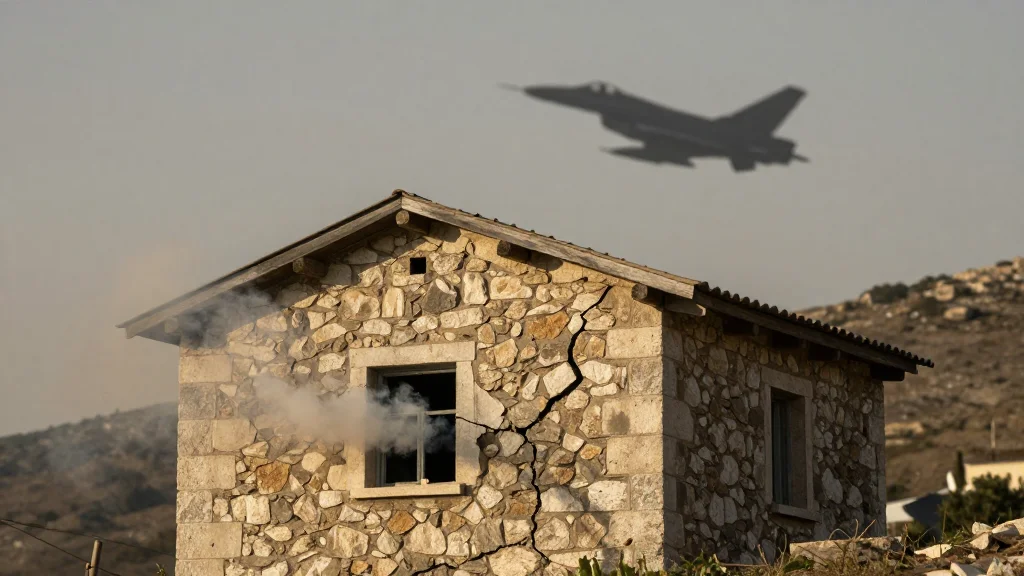
Israeli Strikes Kill 14 Civilians in Lebanon, Testing Fragile Ceasefire

Why It Matters
The civilian death toll in southern Lebanon threatens to unravel a ceasefire that has held the Israel‑Hezbollah front relatively quiet for weeks. A breakdown could open a second front in the wider US‑Iran war, stretching military resources and complicating diplomatic initiatives aimed at ending the Strait of Hormuz blockade. Moreover, the loss of non‑combatants heightens humanitarian concerns and could draw international condemnation, pressuring both sides to reconsider their rules of engagement. Beyond the immediate border, the incident underscores how localized flashpoints can reverberate through global energy markets. Any escalation could further tighten the already constrained flow of oil through the Strait of Hormuz, pushing prices higher and amplifying economic strain on countries already grappling with war‑induced inflation.
Key Takeaways
- •Israeli airstrikes on Sunday killed 14 civilians in southern Lebanon, including two women and two children.
- •37 people were wounded in the same attack, according to Lebanon's health ministry.
- •Prime Minister Benjamin Netanyahu said the Israeli military was "vigorously" targeting Hezbollah.
- •Hezbollah accused Israel of "dismantling the ceasefire" and warned of retaliation.
- •The incident threatens a 10‑day ceasefire brokered in early April and could widen the US‑Iran conflict.
Pulse Analysis
The latest Israeli strike illustrates the precarious balance between tactical military objectives and strategic political constraints. While Israel frames its actions as defensive, the civilian casualties undermine its narrative and risk international censure. Historically, Israel has leveraged limited air campaigns to pressure Hezbollah without triggering full‑scale war; however, the current regional context—marked by US‑Iran naval confrontations and a closed Strait of Hormuz—means any misstep can have outsized ripple effects.
Hezbollah's rhetoric signals a willingness to breach the ceasefire if civilian deaths mount, a pattern seen in previous Israel‑Lebanon cycles where civilian pressure translated into renewed rocket fire. The group's internal calculus now weighs the political cost of appearing passive against the strategic benefit of forcing Israel to the negotiating table. If Hezbollah escalates, the United States may be compelled to divert resources from its broader Middle‑East campaign, potentially weakening its pressure on Iran.
From a market perspective, renewed border fighting could tighten oil supplies further, as tanker traffic around the Gulf already faces heightened risk. Investors should monitor any escalation cues—such as additional civilian casualty reports or official statements from the UN—because they could trigger a spike in oil prices and increase volatility in defense stock indices, especially firms supplying precision‑guided munitions and border‑security systems.
Israeli Strikes Kill 14 Civilians in Lebanon, Testing Fragile Ceasefire
Comments
Want to join the conversation?
Loading comments...