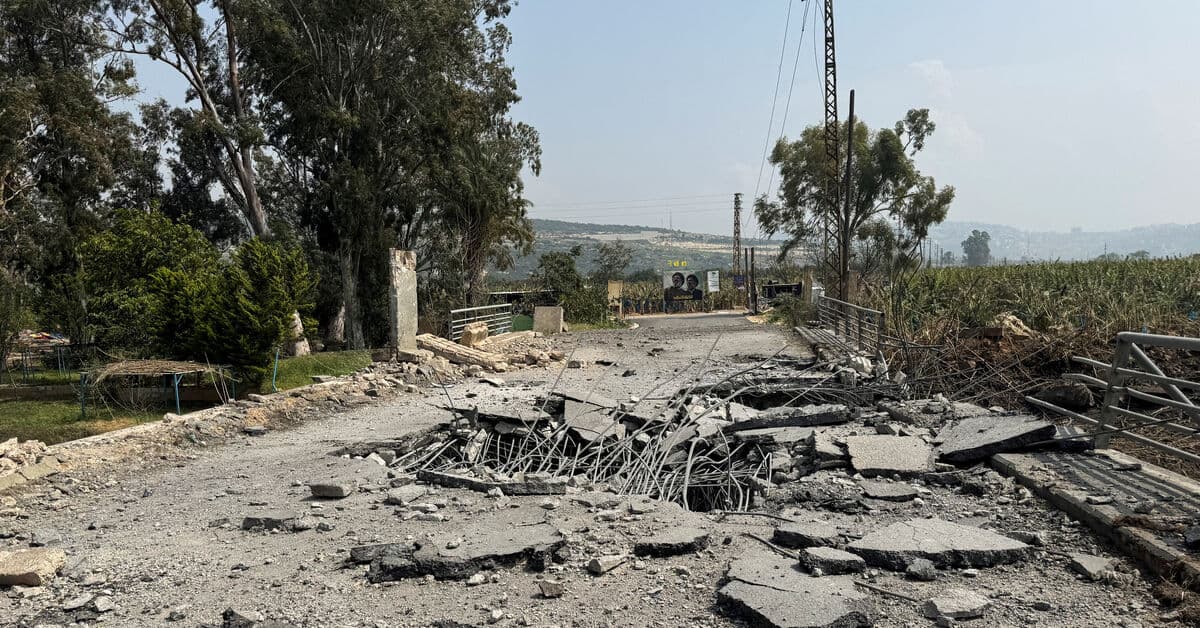
Israeli Strikes Kill 14 in Lebanon as Israel Warns Residents to Leave Towns Beyond 'Buffer Zone'
Why It Matters
The escalation threatens to unravel the U.S.-brokered ceasefire, raising the risk of a broader regional conflict and worsening the humanitarian crisis in Lebanon and northern Israel.
Key Takeaways
- •Israeli airstrikes killed 14, including two children, in southern Lebanon
- •Israel ordered residents to evacuate seven towns beyond its buffer zone
- •Hezbollah vowed to keep fighting despite Israel's ceasefire warnings
- •Casualties since March 2 exceed 2,500, with hundreds of women and children
- •U.S.-mediated ceasefire remains fragile as both sides report violations
Pulse Analysis
The latest Israeli strikes underscore how quickly the April 16 ceasefire can unravel when tactical objectives clash with political agreements. While Israel frames its operations as a response to Hezbollah violations, the expansion of the so‑called buffer zone into seven additional Lebanese towns signals a broader security calculus aimed at denying the Iran‑backed group any foothold near the border. Analysts note that such moves often serve domestic political narratives in Jerusalem, but they also risk inflaming local populations already weary from months of cross‑border fire.
Hezbollah’s refusal to halt attacks reflects a strategic calculation that any concession could be perceived as weakness, especially after recent Iranian‑linked strikes in the region. The group’s rhetoric emphasizes a continued fight until Israel ceases what it calls "ceasefire violations," a phrase that mirrors Israel’s own accusations. Civilian casualties are mounting on both sides, with the Lebanese health ministry reporting over 2,500 deaths since March 2, including a disproportionate number of women and children. This human toll fuels international pressure on both parties and complicates the diplomatic space for de‑escalation.
For Washington, the situation tests the durability of its mediation efforts and the broader stability of the Middle East. A breakdown in the ceasefire could draw in regional actors, heightening the risk of a wider confrontation that would strain U.S. resources and diplomatic capital. Humanitarian agencies are already warning of a looming crisis as displacement grows and medical infrastructure strains under repeated attacks. The coming weeks will likely determine whether the ceasefire can be reinforced or if the conflict will spiral into a more entrenched, multi‑front war.
Israeli strikes kill 14 in Lebanon as Israel warns residents to leave towns beyond 'buffer zone'
Comments
Want to join the conversation?
Loading comments...