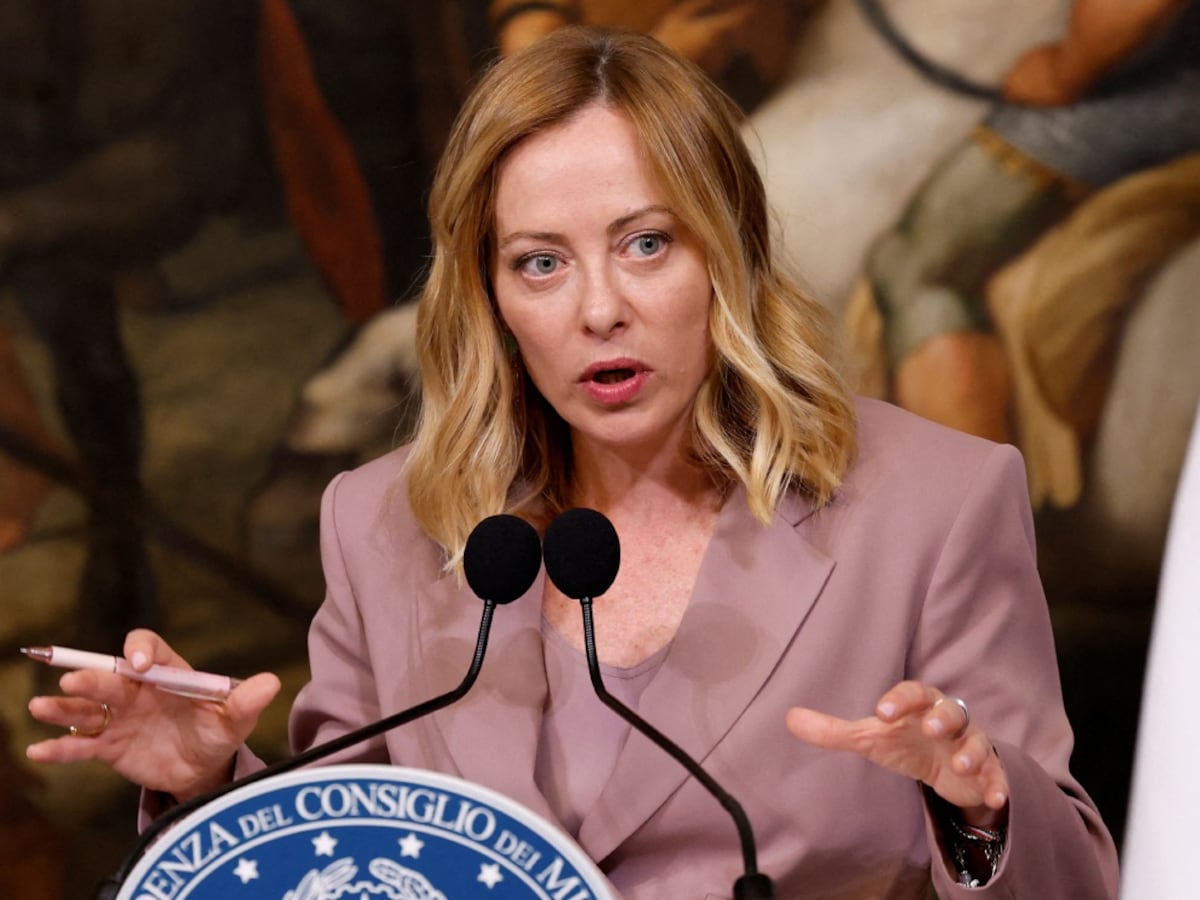
Italy Plans to Send Help to Gulf States After Iranian Strikes, Meloni Says
•March 5, 2026
0
Why It Matters
The decision signals Italy’s willingness to project security support in the Middle East, reinforcing energy stability and NATO cohesion while navigating complex diplomatic pressures.
Key Takeaways
- •Italy will provide air‑defence systems to Gulf allies
- •Tens of thousands of Italians reside in Gulf region
- •About 2,000 Italian troops currently deployed there
- •Meloni stresses energy security ties to Gulf
- •Defence minister labels US‑Israeli strikes illegal
Pulse Analysis
The recent Iranian air strikes have reignited geopolitical tension across the Gulf, prompting European capitals to reassess their security commitments. Italy’s pledge to deliver air‑defence equipment mirrors similar offers from the United Kingdom, France and Germany, underscoring a coordinated Western response aimed at deterring further escalation. By positioning itself as a supplier of critical defensive capabilities, Rome not only bolsters its allies’ resilience but also reinforces its standing within NATO’s collective security framework.
Beyond the strategic calculus, the move carries direct implications for Italian citizens and military personnel embedded in the region. With tens of thousands of expatriates and a contingent of roughly 2,000 troops operating alongside Gulf forces, safeguarding their safety is a domestic priority for Prime Minister Giorgia Meloni. Moreover, the Gulf’s role as a primary conduit for European energy supplies amplifies the urgency; any disruption could reverberate through Italy’s energy markets and broader EU supply chains, making defence assistance a hedge against potential shortages.
Politically, Italy walks a delicate line. While supporting Gulf partners, Defence Minister Guido Crosetto openly criticized the U.S.-Israeli strikes on Iran as breaches of international law, highlighting internal dissent over alignment with Washington’s Middle‑East policy. This dual stance reflects Italy’s broader effort to balance its Atlantic commitments with regional autonomy, a dynamic that will shape future diplomatic negotiations and possibly influence the scope of any expanded use of U.S. bases on Italian soil.
Italy plans to send help to Gulf states after Iranian strikes, Meloni says
0
Comments
Want to join the conversation?
Loading comments...